
Home › Blog › Experiences for families and kids
Family Workshop in Vietnam Reviews: What Actually Happens
By the Cáo Experiences team · 2026-11-06
Family workshops in Vietnam through Cáo Experiences are hands-on half- or full-day sessions—cooking, flower arranging, coffee roasting, craft-making, horse riding, or farm visits—where kids and adults participate side by side in a family kitchen, workshop, or countryside setting. Sessions run in English with WhatsApp coordination; small groups (typically 2–8 people) mean instructors adapt pacing and difficulty in real time. No prior skill required. You learn a technique, make something tangible, eat or take it home. Rainy days shift to covered spaces or rescheduled dates. Allergies, vegetarian diets, and mobility needs are managed before you arrive. Cost varies by activity length and group size; ask us for dates and a quote on WhatsApp. Families choose these over tours because everyone does something together instead of watching.
What do families actually learn in these sessions?
Hands-on skills, not theory. In a Vietnamese cooking class, children chop herbs under guidance while parents roll spring rolls; you make three dishes and eat them family-style. In a flower arranging workshop, kids design a vase while parents do a larger arrangement—different difficulty, same table. A farm and countryside experience means everyone collects vegetables, feeds animals, or learns how rice grows; toddlers often surprise us by staying focused longer than expected. Art and culture classes cover batik dyeing, water-puppet making, or lacquer painting—each person's piece hangs at home afterward. The learning is slow, sensory, and built into doing.
How do instructors handle mixed ages and skill levels?
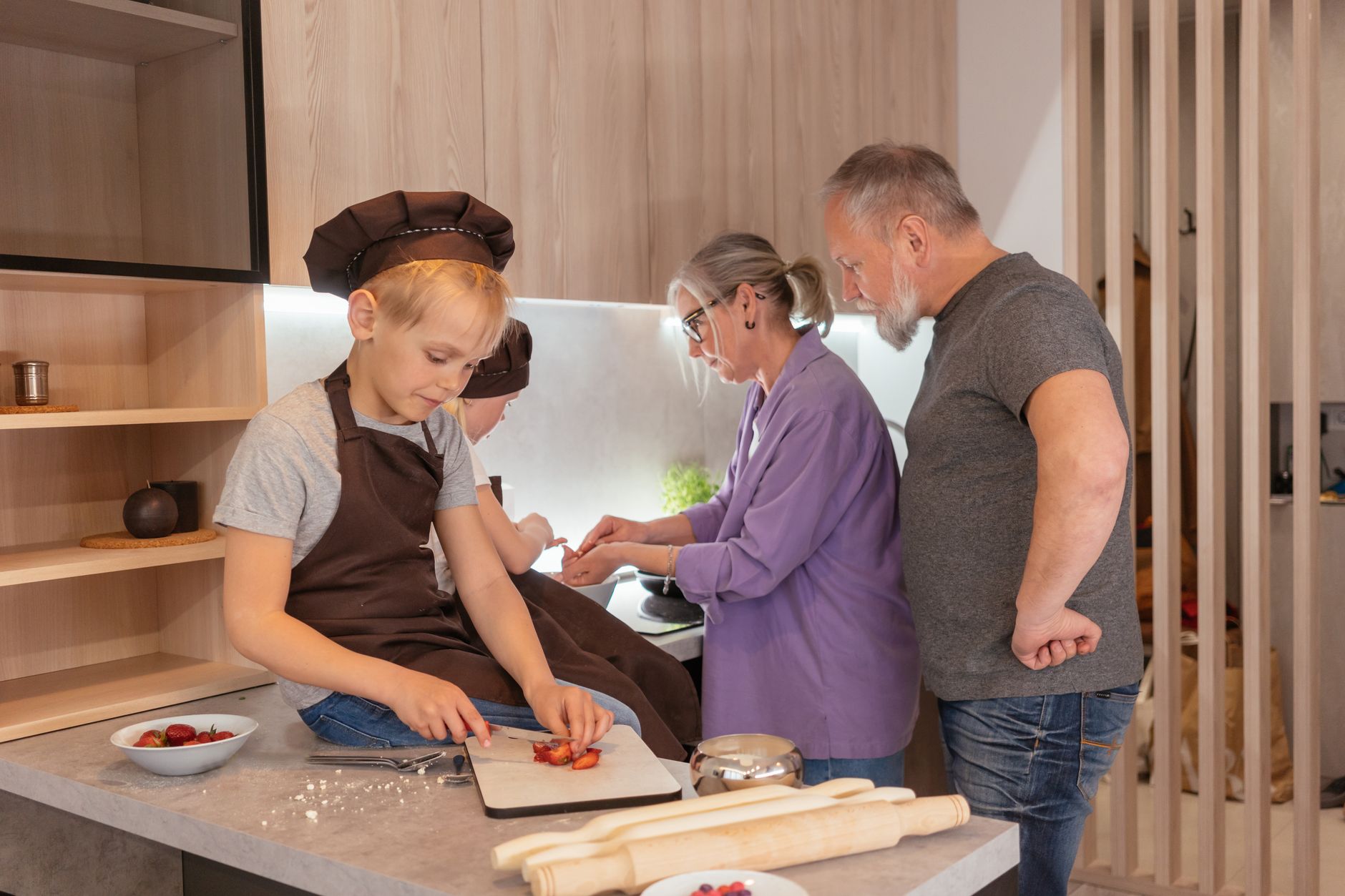
We run sessions for families with kids aged 4–75, often in the same group. The host splits attention: complex steps go to adults or older kids; younger children get simpler versions of the same task. In cooking, a 7-year-old folds dumplings while parents perfect the fold; both serve the same dish. If one family member has limited mobility, we adjust seating, tools, or the task itself—no one sits out. We test this in the first 10 minutes and pivot immediately. You don't need to flag concerns in advance; tell us on WhatsApp, and we problem-solve before you arrive. Siblings often work in pairs, which keeps momentum and reduces anxiety in older kids.
What's the real difference between a workshop and a cooking tour?
Tours show you markets, restaurants, history; you taste food made by others. Workshops: you make the food, then eat it. Street food and market tours teach you what to buy and try; cooking classes teach you to replicate it at home. A market tour takes 3 hours and costs less. A cooking workshop takes 4–5 hours, you buy ingredients together, and you own the skill afterward. Families often combine both: tour the market in the morning, cook that afternoon. For families with young kids who tire quickly, a half-day coffee workshop or craft session works better than a long tour. Choose a tour if you want to explore widely; choose a workshop if you want one skill and family memory.
How do you handle dietary needs, allergies, and picky eaters?
Before the workshop, we ask about allergies, vegetarian or vegan diets, and foods children won't eat. We adjust recipes—swap fish sauce for soy, use tofu instead of meat, skip the chili. Picky eaters sometimes try foods they normally refuse because they made it themselves; this happens often and genuinely surprises parents. If a child refuses to participate in a task (common around age 5–6), we don't force it; they observe, taste, or help in a different way. Vegetarian cooking classes run as standard; we don't treat them as a special request. Nut allergies mean we check all condiments and paste ingredients in advance. If someone needs to bring their own safe food, that's fine—we provide space to eat it alongside the group dish. Communicate early on WhatsApp, and we'll confirm before you book.
What happens if it rains, and how does the workshop adapt?
Rain doesn't cancel most workshops. Cooking, flower arranging, craft sessions, and coffee workshops move indoors or happen in covered family kitchens and workshop spaces anyway. Horse riding and farm experiences reschedule to the next available date; we don't ride in heavy rain for safety and animal welfare. You choose a new date when confirming the booking. Families often prefer rainy-day sessions because venues are quieter and kids focus longer. If a child gets cold or uncomfortable, we have dry clothes and warm drinks available.

Comparison: Workshop type by family profile
| Workshop Type | Best For | Duration | Why Families Choose It |
|---|---|---|---|
| Vietnamese Cooking | Ages 5–adult; all diets | 4–5 hours | Everyone eats the result; replicable at home |
| Flower Arranging | Ages 6–adult; quiet focus | 2–3 hours | Takeaway decoration; no mess; photo-worthy |
| Coffee Workshop | Ages 8–adult; coffee lovers | 2.5 hours | Short, hands-on, no food anxiety |
| Craft Workshops | Ages 4–adult; creative kids | 2–4 hours | Wearable or hangable output; builds confidence |
| Art and Culture Classes | Ages 6–adult; artists | 3–4 hours | Gallery-quality result; cultural storytelling |
| Farm Experience | Ages 3–adult; outdoor kids | 3–5 hours | Physical, tactile, animals; tires kids healthily |
| Tea Experience | Ages 8–adult; calm families | 2 hours | Meditative; teaches tasting; quiet together-time |
| Horse Riding | Ages 6–adult; confident kids | 2–3 hours | Memorable individual achievement; outdoor bonding |
How do you pick the right workshop for your family?
Ask yourself three questions:
- Energy level: Do your kids fidget in 90 minutes, or can they focus for half a day? Start with a flower arranging or coffee workshop (2–2.5 hours) if attention span is short; full cooking or farm days if they're engaged outdoors or with food.
- Take-home value: Do you want a skill (cooking), an object (flower vase, craft), a memory (horse ride), or an experience (tea, market)? Cooking and art classes give you both; tours give memory only.
- Dietary compatibility: If anyone has a food allergy or strong aversion, non-food workshops like flower arranging, crafts, or horse riding sidestep stress. Cooking requires trust in our advance prep.
Message us on WhatsApp with your kids' ages, interests, and dietary notes. We'll suggest the best fit.
What to check before you book
- Age range suitability: Most workshops welcome ages 4–5 upward; toddlers under 3 aren't excluded but may need a parent's lap half the time.
- Dietary complexity: If multiple allergies exist, confirm with us 48 hours before; last-minute changes are harder to honor.
- Rainy-day flexibility: Accept that outdoor activities (horse riding, some farm work) reschedule; indoor activities proceed.
- Fitness: Horse riding needs basic mobility; farm work involves walking on uneven ground; cooking and crafts are chair-friendly.
- Language: Sessions run in English; no translation to other languages, but we slow down and use images.
More hands-on family experiences
Cáo Experiences runs workshops across multiple regions. Family-focused sessions happen in Hanoi, Saigon, Hoi An, Da Nang, and Da Lat; each location has a slightly different crop of activities based on local farms, kitchens, and craft traditions. Read our host stories to see what other families discovered.
See how a session runs

FAQ
Are workshops suitable for kids who've never cooked or done crafts before?
Completely. We teach beginners only. No prior skill needed. Kids learn fastest because they don't overthink technique; parents often learn more from watching kids enjoy the process.
What if my child refuses to participate once the workshop starts?
We don't force participation. They can observe, taste food, help in a simpler way, or take a break. Most kids join in naturally within 20 minutes when they see others doing it.
Can I book a private workshop just for my family, or is it always a group?
Both. Small groups (2–8 people) are standard. Private bookings for your family only are available; ask about dates and pricing on WhatsApp.
How much can a child realistically take home from a workshop?
In cooking, you eat the meal (small containers if leftovers fit). In flower arranging, you carry the finished vase. In crafts and art, your piece is takeaway. In horse riding and farm days, you take photos and muscle memory.
What happens if someone has a severe food allergy?
Tell us by WhatsApp before booking. We source ingredients, check all condiments, and prepare separate stations if needed. Bring your own safe food if you prefer; we provide a table and utensils.
Do parents have to participate, or can they watch?
Parents participate fully. You're not observers; you make something alongside your child, often at a different skill level. This is why families love it—everyone has their own task, not one person instructing and one bored.
How do you adapt for a very senior family member (grandparent) with mobility limitations?
Seating is adjusted, tools are modified, and the task is simplified—they still participate meaningfully. Ask us to confirm adaptations when booking; we've hosted 70+ year-olds successfully in cooking and flower arranging.
Ask about dates
Tell us the city, your dates and what you would like to try. We reply on WhatsApp in English with options and availability.
FAQ
Are workshops suitable for kids who've never cooked or done crafts before?
Completely. We teach beginners only. No prior skill needed. Kids learn fastest because they don't overthink technique; parents often learn more from watching kids enjoy the process.
What if my child refuses to participate once the workshop starts?
We don't force participation. They can observe, taste food, help in a simpler way, or take a break. Most kids join in naturally within 20 minutes when they see others doing it.
Can I book a private workshop just for my family, or is it always a group?
Both. Small groups (2–8 people) are standard. Private bookings for your family only are available; ask about dates and pricing on WhatsApp.
How much can a child realistically take home from a workshop?
In cooking, you eat the meal (small containers if leftovers fit). In flower arranging, you carry the finished vase. In crafts and art, your piece is takeaway. In horse riding and farm days, you take photos and muscle memory.
What happens if someone has a severe food allergy?
Tell us by WhatsApp before booking. We source ingredients, check all condiments, and prepare separate stations if needed. Bring your own safe food if you prefer; we provide a table and utensils.
Do parents have to participate, or can they watch?
Parents participate fully. You're not observers; you make something alongside your child, often at a different skill level. This is why families love it—everyone has their own task, not one person instructing and one bored.
How do you adapt for a very senior family member (grandparent) with mobility limitations?
Seating is adjusted, tools are modified, and the task is simplified—they still participate meaningfully. Ask us to confirm adaptations when booking; we've hosted 70+ year-olds successfully in cooking and flower arranging.
More like this
Experiences for families and kids
Family workshop Vietnam vs Thailand: where to take kids in 2026
Vietnam and Thailand both offer immersive family workshops, but the pace, cost structure, and focus differ significantly. We run both types of sessions at Cáo Experiences and can help you choose.
Experiences for families and kids
Family Workshop Vietnam Gift Voucher: What Works Best
A family workshop gift voucher in Vietnam lets relatives experience cooking, craft, horse riding or tea together—no tickets, no queues, real hands-on time. We help you pick the right session type and duration for the ages and interests in your group.
Experiences for families and kids
Family workshops in Vietnam for Indian travelers: what to expect
Indian families visiting Vietnam often wonder how to keep children engaged and learn something authentic together. Cáo Experiences runs small-group and private workshops—cooking, coffee, flower arranging, craft, and farm days—designed for kids, parents, and grandparents, hosted in English with real