
Home › Blog › Experiences for families and kids
Family Workshop Vietnam for Australian Travellers: A Hands-On Guide
By the Cáo Experiences team · 2026-11-06
A family workshop in Vietnam, hosted by Cáo Experiences, is a small-group or private hands-on session where you and your children (usually ages 5+) learn a craft, cook a meal, or pick up a local skill alongside an English-speaking guide. Sessions run 2–3 hours in home kitchens, craft studios, or countryside settings across Hanoi, Ho Chi Minh City, Hoi An, Da Nang and Da Lat. You learn by doing: kids knead dough, arrange flowers, paint, ride horses or help prep ingredients. We adapt for allergies, dietary choices, skill levels and rain. Australian families appreciate that there's no hard sell, no shop-at-the-end, and real cultural contact—your child leaves with a dish they cooked or an object they made. Ask us for dates and a quote on WhatsApp.
A family workshop in Vietnam doesn't mean sitting in a classroom. We run experiences for families and kids where your 6-year-old, teenager and you all cook spring rolls in a home kitchen in a lane off the old quarter, or younger kids learn to fold paper lanterns while their parents try their hand at silk-screen printing. The pace slows for under-8s; we break tasks into smaller steps, sit at lower tables, use kid-safe tools. Teenagers often take the lead with plating or design choices. We've adapted sessions for kids who can't eat peanuts (common in our cooking classes), who use wheelchairs (some workshops have ground-floor access; we check ahead), or who need frequent breaks. The rule: everyone leaves having made or cooked something real.
Which workshop types work best for families travelling from Australia?
Vietnamese cooking classes and craft workshops are the two most popular requests. Cooking classes suit ages 5 upward because kids see instant results—they eat what they made—and the sensory experience (smell, texture, taste) keeps focus high. Craft workshops (silk painting, lantern-folding, wood carving basics) appeal to older children and teens who want to take home a physical object. Flower arranging and tea experiences tend to suit quieter, patient families or those with one teenager keen on design or culture. Farm and countryside experiences work well for mixed-age groups: younger kids pet animals or pick vegetables; older ones help cook lunch with farm produce. The conclusion: choose by your children's interests, not age alone.
How do Australian families handle dietary needs and allergies?
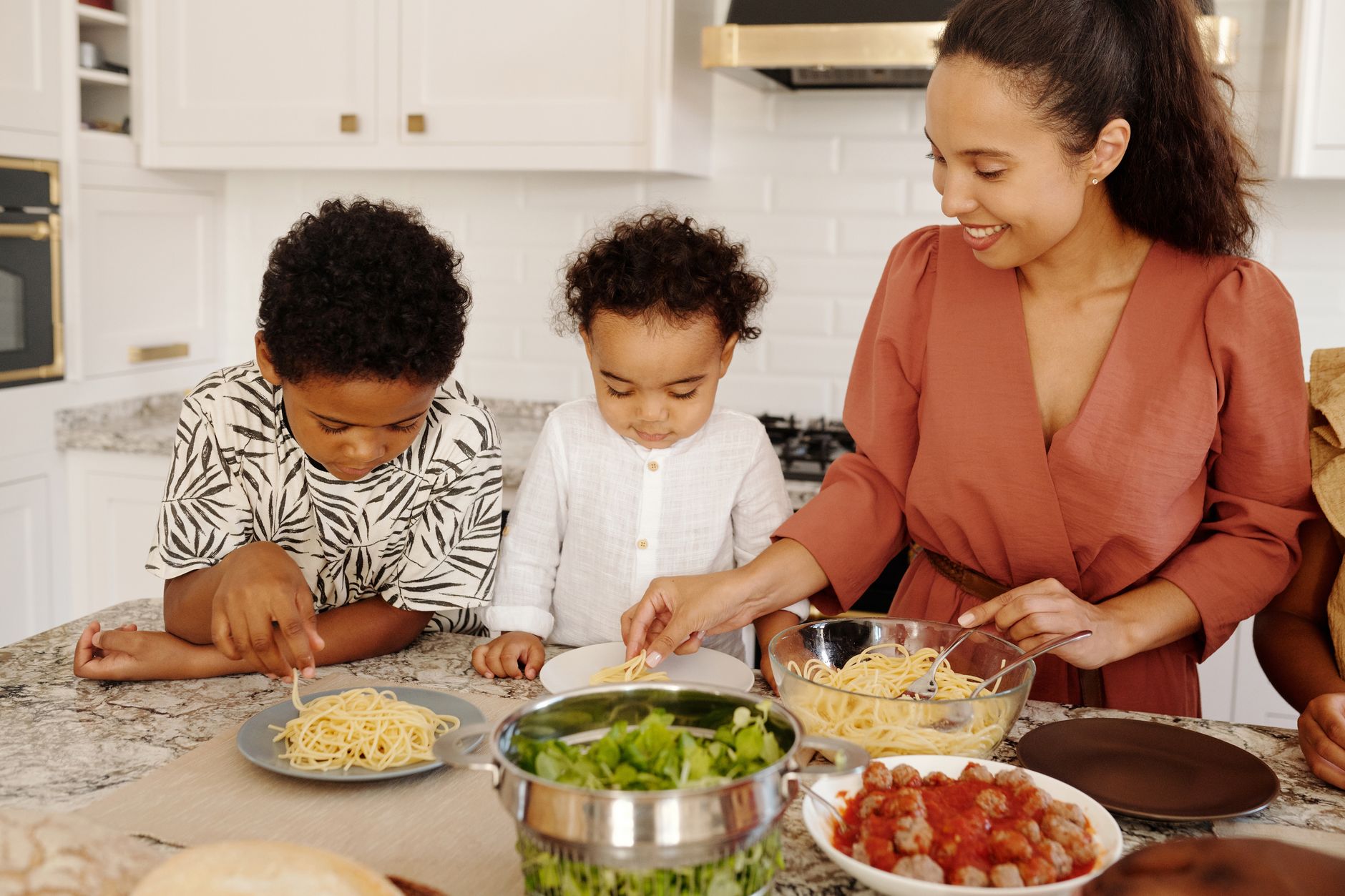
Tell us your requirements when you book. We source ingredients ahead and work around allergies or preferences—peanut-free alternatives exist for every cooking class, vegetarian versions work for all menus, and we can source dairy-free or gluten-free substitutes if you ask early (not all locations carry all items, so advance notice matters). We never serve mystery dishes or pressure kids to taste things they're unsure about. One family from Brisbane had a child with a shellfish allergy; we planned a vegetable and rice-paper workshop instead and it became their favourite memory. The key: tell us before you arrive, not on the day.
What happens hour by hour in a typical family session?
A 2.5-hour cooking class usually runs like this: first 20 minutes, you and your guide chat in the kitchen (or sometimes at a market or farm, depending on the workshop type), and the guide shows you ingredients and tools. Next 90 minutes, your children roll out dough, chop vegetables (or a grown-up chops if they're too young), mix pastes, and assemble the dish—kids do 70% of the work. The guide moves around answering questions and adjusting difficulty. Final 30 minutes, you eat together, maybe try a local tea or juice, and the guide shares a story about the dish or the ingredient. No lecture, no sitting still. Craft workshops follow the same rhythm: demo (15 min) → hands-on (70 min) → finish and admire (25 min). Rain doesn't cancel us; we move indoors.
What should you pack and wear to a family workshop?
Wear clothes you don't mind getting stained or wet—cooking means splatters, flower arranging means soil, horse riding means dust. We provide aprons for cooking classes. Bring a small bag for any crafts to take home (most fit in a regular backpack or soft bag; we don't package them in a way that needs checked luggage). Wear comfortable shoes (you might stand for 2–3 hours, or walk to a market or farm). If your child has very long hair, bring a hair tie. We have hand-washing areas; towels are provided. Sunscreen is useful for countryside or farm sessions. We coordinate all details—including pick-up and drop-off addresses—on WhatsApp before the day, so you know exactly what to expect.

How do Australian families compare workshop experiences by pace and skill?
| Experience Type | Best Ages | Pace | Physical Demand | Cost Basis | Why Families Choose It |
|---|---|---|---|---|---|
| Cooking class | 5–16 | Hands-on, interactive | Standing 2–3 hours | Small-group or private | Eat the result; instant gratification |
| Craft workshop | 6–16 | Calm, creative | Sitting or standing, fine motor | Small-group or private | Take home a unique object; less language needed |
| Flower arranging | 8–16 (or adults only) | Meditative, slow | Sitting mostly | Private preferred | Photo-friendly; teaches design |
| Farm/countryside | 4–16 | Mixed, hands-on outdoors | Variable, sometimes muddy | Half-day or full-day | Animals, outdoor space, lunch included |
| Horse riding | 8–16 | Outdoor, physical | Moderate to high; requires balance | Half-day minimum | Adrenaline, one-on-one instruction |
All prices depend on group size and location; ask us for a quote specific to your dates and family.
What's the honest catch? Things to plan for.
Sessions fill up 2–4 weeks ahead, especially in November–February (Australian school holidays and cool weather). If you arrive and ask for next-day availability, you might miss your first choice. Book on WhatsApp as soon as your travel dates are set. Some workshops (cooking, farm visits) are easier to adapt for large groups (8+ people); craft workshops suit 4–6 better because the guide can circulate and help each child. If your child has severe anxiety in unfamiliar spaces or won't try new foods, tell us—we've worked around it before, but we're honest if a particular workshop isn't the right fit. Rain is not a catch (we adapt), but extreme heat in summer (May–August) means we sometimes schedule sessions for early morning. And: you might discover your teenager actually enjoys learning something, which is its own surprise. That's the real thing to plan for.
What to check before you book
- Dates and group size first: WhatsApp us your preferred dates, number of kids and adults, and whether you're flexible. Some experiences fill weeks ahead.
- Allergies and dietary needs: List them clearly so we can confirm ingredients are available at your chosen location (Hanoi, Ho Chi Minh City, Hoi An, Da Nang or Da Lat).
- Pick-up and address: Confirm your hotel or meeting point so we can arrange arrival and drop-off on the day.
- What to wear: Stain-friendly clothes, comfortable shoes, hair tie if needed. Check the weather forecast for your session date.
- Expectations: Be honest about your children's attention span and comfort with new people. We adjust, but not miracles in 2 hours.
Discover all our family experiences or explore our group and team sessions if you're travelling with extended family.
For fast coordination, contact us on WhatsApp—that's how we actually work.

FAQ
Can a 4-year-old join a cooking class?
Usually from age 5 upward, because they can grip a spoon and follow two-step instructions reliably. Under 5, we adapt: they play near the kitchen, taste, help stir with your hand guiding theirs—but don't expect a cooked dish they made solo. Talk to us about your child's development; we've made exceptions.
What if my child has never cooked or done crafts before?
Perfect. That's the whole point. The guide explains every step, shows you first, then your child copies. Mistakes (wonky spring rolls, uneven paint strokes) are the fun part. No judgment, no "right way."
Do we eat the food we cook, or is it just for show?
You eat it. That's why you're there. We cook real dishes in real quantities. If there's too much, you take some home (bring a container, or we provide a bag).
Is it just for tourists, or do expats and locals book too?
Both. Families living in Vietnam for work often book because their kids want connection to the culture; Australian expat families do the same. It's not a touristy "look-what-we-did" experience—it's genuine skill transfer.
What happens if it rains on the day of a countryside or horse-riding session?
We move indoors or reschedule if the activity can't safely happen. Cooking classes and craft workshops continue rain or shine (they're indoors). If you're midway through a farm visit and a storm hits, we head inside for lunch or tea instead. You're never left stranded.
Can we do a private session just for our family, or is it always a small group?
Both available. Contact us to ask; private sessions are more flexible on timing and menu, but require minimum numbers to make economic sense for the host. We're honest about what works.
Ask about dates
Tell us the city, your dates and what you would like to try. We reply on WhatsApp in English with options and availability.
FAQ
Can a 4-year-old join a cooking class?
Usually from age 5 upward, because they can grip a spoon and follow two-step instructions reliably. Under 5, we adapt: they play near the kitchen, taste, help stir with your hand guiding theirs—but don't expect a cooked dish they made solo. Talk to us about your child's development; we've made exceptions.
What if my child has never cooked or done crafts before?
Perfect. That's the whole point. The guide explains every step, shows you first, then your child copies. Mistakes (wonky spring rolls, uneven paint strokes) are the fun part. No judgment, no "right way."
Do we eat the food we cook, or is it just for show?
You eat it. That's why you're there. We cook real dishes in real quantities. If there's too much, you take some home (bring a container, or we provide a bag).
Is it just for tourists, or do expats and locals book too?
Both. Families living in Vietnam for work often book because their kids want connection to the culture; Australian expat families do the same. It's not a touristy "look-what-we-did" experience—it's genuine skill transfer.
What happens if it rains on the day of a countryside or horse-riding session?
We move indoors or reschedule if the activity can't safely happen. Cooking classes and craft workshops continue rain or shine (they're indoors). If you're midway through a farm visit and a storm hits, we head inside for lunch or tea instead. You're never left stranded.
Can we do a private session just for our family, or is it always a small group?
Both available. [Contact us](/contact) to ask; private sessions are more flexible on timing and menu, but require minimum numbers to make economic sense for the host. We're honest about what works.
More like this
Experiences for families and kids
Family workshop Vietnam vs Thailand: where to take kids in 2026
Vietnam and Thailand both offer immersive family workshops, but the pace, cost structure, and focus differ significantly. We run both types of sessions at Cáo Experiences and can help you choose.
Experiences for families and kids
Family Workshop Vietnam Gift Voucher: What Works Best
A family workshop gift voucher in Vietnam lets relatives experience cooking, craft, horse riding or tea together—no tickets, no queues, real hands-on time. We help you pick the right session type and duration for the ages and interests in your group.
Experiences for families and kids
Family workshops in Vietnam for Indian travelers: what to expect
Indian families visiting Vietnam often wonder how to keep children engaged and learn something authentic together. Cáo Experiences runs small-group and private workshops—cooking, coffee, flower arranging, craft, and farm days—designed for kids, parents, and grandparents, hosted in English with real