
Home › Blog › Experiences for families and kids
Family workshops in Vietnam for seniors: hands-on classes that work
By the Cáo Experiences team · 2026-11-06
A family workshop in Vietnam for seniors is a small-group or private class—typically three to five hours—in cooking, tea, flower arranging, coffee, craft, horseback riding, or countryside exploration. Cáo Experiences hosts these in Hanoi, Ho Chi Minh City, Hoi An, Da Nang, and Da Lat. Sessions run in air-conditioned or shaded spaces with plenty of rest, drinking water, and hands-on instruction in English. No prior skill is required. We meet seniors where they are: standing workshops have seating nearby; cooking happens at low counters or adjustable heights; riding uses calm, well-trained horses on flat terrain. Each workshop includes a guide, materials, refreshment, and a calm pace—no rushing between steps. Ask us for dates on WhatsApp to discuss any mobility needs, diet changes, or family preferences before booking. Ask about dates on WhatsApp
Do seniors really enjoy hands-on learning in unfamiliar kitchens?
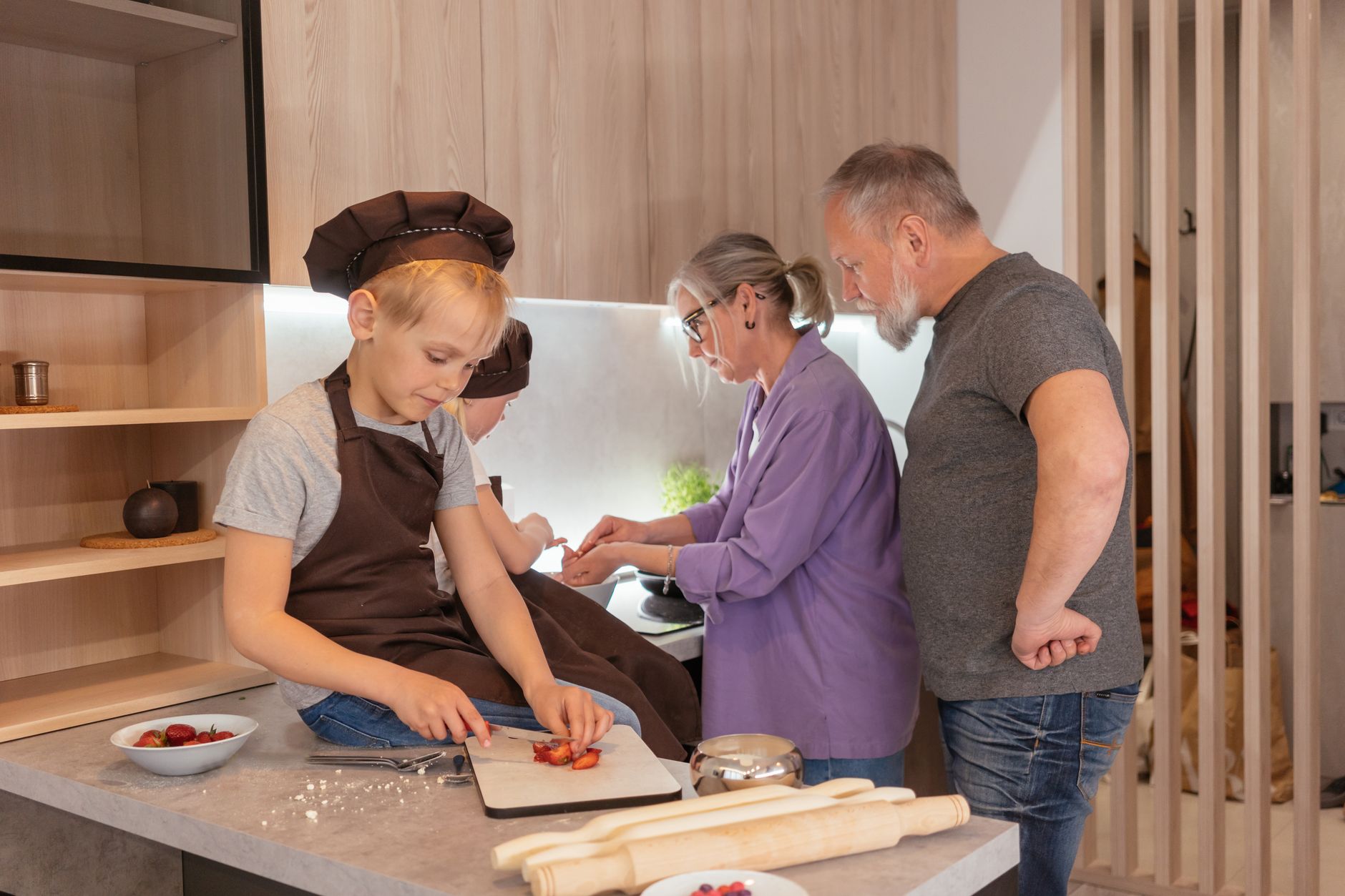
Yes, and more than many expect. When we teach a Vietnamese cooking class to a group including seniors, the surprise moment comes thirty minutes in: hands shaping spring rolls, smelling fresh herbs, tasting a fish sauce dip they made themselves. Seniors often say it's less about the food and more about doing something together in a place that feels lived-in—a family kitchen in a lane off the old quarter, not a sterile classroom. The pace is ours to set. If someone's wrist tires from stirring, we pause; if they want to taste three versions of a sauce, we taste them. We've found that seniors enjoy it precisely because it's low-pressure and the result is immediate and edible. Comfort beats novelty, and ownership of the dish beats a tour lecture.

What physical demands do you actually need to handle?
Most family workshops require only gentle standing or sitting. Horse riding experiences use calm, flat routes at walk-and-trot pace—no jumping, no steep hills—and we match each rider to a horse suited to their weight and confidence; mounting and dismounting use a mounting block, and our guide stays within arm's reach. Tea experiences happen seated at a low table, hands on cup and leaf. Flower arranging takes place sitting, with stems brought to table height. Cooking classes adapt: we adjust counter height, provide a stool, and break tasks (say, chopping) into two-person roles so no one strains a shoulder. Craft workshops are entirely seated. The only session requiring sustained standing is a street food and market tour—but we choose quieter market sections, build in rest stops, and go early morning when it's cooler and less crowded. If someone has arthritis, a recent surgery, or limited stamina, we discuss it first on WhatsApp and design around it.
Which workshop suits someone with joint pain or limited mobility?
Seated or low-impact activities remove guesswork. Rank them by what's safest:
| Workshop type | Best for joint pain? | Mobility level | Why it works |
|---|---|---|---|
| Tea ceremony | Excellent | Very low mobility | Fully seated, no reaching or standing |
| Flower arranging | Excellent | Very low mobility | Seated, flowers at table height, relaxed pace |
| Coffee workshop | Good | Low mobility | Seated roasting and tasting; no standing required |
| Craft workshops | Good | Low mobility | Seated the whole time; fine-motor work only |
| Cooking class | Moderate | Low–moderate mobility | Adaptable heights; can use a stool; prep simplified |
| Countryside farm visit | Moderate | Moderate mobility | Walking on flat paths only; rest stops built in |
| Horse riding | Moderate | Moderate mobility | Mounting block; guide steadies you; flat, slow route |
The tea experiences and flower arranging pages show what materials we provide—you bring nothing but a desire to slow down.
Why do families bring seniors to workshops instead of tours?
Tours talk at you; workshops let you do something. A grandmother might nod politely at a museum plaque, but rolling dough for bánh chưng (square sticky-rice cake) with her grandchildren in a kitchen where four generations have cooked? That's memory-making. We've watched adult children realize their parents are sharper, more engaged, happier when they have agency—they're not passive spectators but contributors. On a farm and countryside experience, a senior might pull up herbs, crack an egg for lunch, or teach a grandchild how to read soil. The workshop format also removes the pressure to "see everything"—you're in one place, going deep, not rushing. Many families return specifically because of that calm. Seniors also report they sleep better after a day of learning and light physical activity.
How do you handle weather, allergies, and dietary needs?
We ask these questions on WhatsApp before confirming. Rain reshapes, not cancels: a cooking class moves indoors easily; a riding trip moves to a covered arena or a sheltered pine-forest stable; a flower arranging session becomes an indoor design class. We have backup locations in each city. Allergies: if someone can't eat shellfish or has a nut sensitivity, we rework the menu and shop accordingly—no surprises in a shared bowl. Vegetarian, gluten-free, diabetic-friendly—we adapt without fuss and without making it feel like a burden on the group. For craft workshops or coffee workshops, allergies are less relevant, but we always offer water, tea, and a light snack that matches dietary needs. Mobility aids (cane, walker) are fine everywhere. If someone needs a chair brought to the stove, we bring it.
What makes a senior-friendly workshop different from a regular one?
Pace, repetition, and dignity. We don't rush. If a cooking step takes twelve minutes instead of eight, that's fine. We explain twice, in different words, without irritation. We assume people want to understand why, not just copy—so we talk about the ingredient, the technique, the history. Breaks are offered proactively, not only when someone asks. Water glasses stay full. If someone tires partway, sitting out the last twenty minutes is normal and respected, not awkward. We also avoid the tone that treats aging like a problem to work around; it's just context. A 72-year-old's decade of gardening means they'll arrange flowers with an eye we'll learn from. A grandmother's memory of her own mother's cooking is the lesson, not a photo on a wall. Family experiences that include multiple generations succeed when everyone—young and old—feels like a peer, not a burden or a chaperone.
What to check before you book
- Mobility questions: Can you stand for the duration? Will you need a chair, mounting block, or handrail? Tell us in advance—no judgment, full flexibility.
- Heat and humidity: Vietnam's climate is hot. We choose early mornings, shaded spaces, and cool drinks. If heat affects you (say, you have heart medication), mention it so we add extra breaks.
- Group size and family mix: Smaller groups (three to five people) are often calmer for seniors. Mixed-age groups are joyful. Confirm you're comfortable before committing.
- Weather happens; health happens. We work with you.
- Transport to the location: We can suggest ride-sharing apps or minivan pickup. Some workshops we can reach via gentle walk from a central hotel; others need a short drive. Ask specifically about the location you're choosing.
Which Vietnamese city is best for seniors?
Hanoi has the widest choice of workshops and cooler weather in winter. Ho Chi Minh City offers year-round sessions and less walking overall. Hoi An and Da Nang are quieter, seaside-feeling, with excellent cooking and craft workshops nearby; the pace feels gentler. Da Lat is cooler (altitude, pines, flowers) and suits seniors seeking a slower rhythm and countryside rides. For a first visit, we often suggest Ho Chi Minh City or Hoi An—fewer extreme crowds, fewer hills, maximum comfort combined with culture. Read more about what each destination offers from our hosts.
More to explore
- Group and team experiences if you're bringing extended family or a retirement community.
- Wellness and slow experiences for sessions focused on rest, tea, and reflection.
See how a session runs

FAQ
Is there an age limit for workshops in Vietnam?
No. We've hosted guests from 8 to 92. The question is mobility and interest, not age. If you can sit, stand with a rail, or ride a calm horse, you can participate. Ask us what adaptation we'd make for your specific need.
Do I need any experience with cooking, riding, or crafts?
No. Every workshop starts at the beginning. We've taught flower arranging to people who've never held a stem, cooking to people who eat out every night, and riding to people who haven't sat on a horse in fifty years. The pace and instruction are built for beginners.
Can I book a private workshop just for my family?
Yes. Private sessions mean your family, your pace, your dietary needs, your date. We tailor everything. Small groups (five to eight people) are also common and feel intimate without the price of a fully private hire. Ask us for both options on WhatsApp.
What's the weather like, and what should I wear?
In Hanoi, October to April is cool (15–20°C) and dry; May to September is hot and humid. In the south, it's warm year-round; rainy season is May to October. Wear light layers, sunscreen, and sturdy shoes. For riding, wear closed-toe footwear. For cooking, bring an apron or a shirt you don't mind splattering. We provide most gear (chef's coats, riding helmets).
What if I cancel or need to reschedule?
Life happens. Every booking is custom. We discuss our rescheduling terms on WhatsApp before you commit. Weather, health, or a family change—we work with you, not against you.
Do workshops include food or drinks?
Cooking classes, food tours, and farm experiences include meals or significant tasting. Tea, coffee, and flower arranging include water and a light snack. Riding and craft sessions include water. Special diets are accommodated—tell us when you ask about dates.
Ask about dates
Tell us the city, your dates and what you would like to try. We reply on WhatsApp in English with options and availability.
FAQ
Is there an age limit for workshops in Vietnam?
No. We've hosted guests from 8 to 92. The question is mobility and interest, not age. If you can sit, stand with a rail, or ride a calm horse, you can participate. Ask us what adaptation we'd make for your specific need.
Do I need any experience with cooking, riding, or crafts?
No. Every workshop starts at the beginning. We've taught flower arranging to people who've never held a stem, cooking to people who eat out every night, and riding to people who haven't sat on a horse in fifty years. The pace and instruction are built for beginners.
Can I book a private workshop just for my family?
Yes. Private sessions mean your family, your pace, your dietary needs, your date. We tailor everything. Small groups (five to eight people) are also common and feel intimate without the price of a fully private hire. Ask us for both options on WhatsApp.
What's the weather like, and what should I wear?
In Hanoi, October to April is cool (15–20°C) and dry; May to September is hot and humid. In the south, it's warm year-round; rainy season is May to October. Wear light layers, sunscreen, and sturdy shoes. For riding, wear closed-toe footwear. For cooking, bring an apron or a shirt you don't mind splattering. We provide most gear (chef's coats, riding helmets).
What if I cancel or need to reschedule?
Life happens. Every booking is custom. We discuss our rescheduling terms on WhatsApp before you commit. Weather, health, or a family change—we work with you, not against you.
Do workshops include food or drinks?
[Cooking classes](/cooking-class), [food tours](/street-food-tour), and [farm experiences](/farm-experience) include meals or significant tasting. [Tea](/tea-experience), [coffee](/coffee-workshop), and [flower arranging](/flower-arranging) include water and a light snack. Riding and craft sessions include water. Special diets are accommodated—tell us when you ask about dates.
More like this
Experiences for families and kids
Family workshop Vietnam vs Thailand: where to take kids in 2026
Vietnam and Thailand both offer immersive family workshops, but the pace, cost structure, and focus differ significantly. We run both types of sessions at Cáo Experiences and can help you choose.
Experiences for families and kids
Family Workshop Vietnam Gift Voucher: What Works Best
A family workshop gift voucher in Vietnam lets relatives experience cooking, craft, horse riding or tea together—no tickets, no queues, real hands-on time. We help you pick the right session type and duration for the ages and interests in your group.
Experiences for families and kids
Family workshops in Vietnam for Indian travelers: what to expect
Indian families visiting Vietnam often wonder how to keep children engaged and learn something authentic together. Cáo Experiences runs small-group and private workshops—cooking, coffee, flower arranging, craft, and farm days—designed for kids, parents, and grandparents, hosted in English with real