
Home › Blog › Experiences for families and kids
Kids cooking class in Da Lat: what to expect and how to choose
By the Cáo Experiences team · 2026-11-06
A kids cooking class in Da Lat is a hands-on half-day or full-day session where children (ages 6+) learn to prepare 2–4 simple Vietnamese dishes in a home kitchen with an English-speaking host and a small group (maximum 8 kids per session). We focus on knife skills, flavour-building, and cultural storytelling rather than technique perfection. Sessions run mornings or afternoons, include market prep or garden picking (depending on the class), and end with eating what they've made. Most children learn one noodle dish, one vegetable stir-fry, and a fresh spring roll or soup. We adapt recipes for allergies and dietary needs before you arrive. Cost and availability vary by group size and season; ask us for dates on WhatsApp to discuss what suits your child.
What skills do kids actually pick up in a Da Lat cooking class?
Kids leave knowing how to hold a knife safely, prep garlic and herbs without mangling them, taste food as they cook, and understand why Vietnamese dishes use both salty fish sauce and lime juice. They're not aiming for restaurant plating—they're learning that food has logic. A 7-year-old who's never cooked before will be able to roll a spring roll by the end. A 12-year-old will control the wok heat and adjust seasoning. We don't grade them; we celebrate what they've made.

Why is Da Lat different from cooking classes in Hanoi or Saigon?
Da Lat sits at 1,500 metres elevation, so the growing season is longer and the local markets overflow with leafy greens, strawberries, and cool-weather herbs year-round—vegetables that don't grow well in the lowlands. A kids cooking class in Da Lat often includes a small market walk to pick ingredients kids have never seen before, or time in a vegetable garden. Classes in Hanoi or Saigon rely more heavily on year-round staples shipped in. Here, we teach kids to respect seasonality.
How do we adapt classes for different age groups?
For ages 6–8, we focus on assembly, rolling, and taste-testing; a host handles the hot wok. For ages 9–12, kids use the stovetop with supervision and do more knife work. For teens (13+), we treat them as junior cooks—they manage their own pan, make seasoning decisions, and learn plating. Siblings of different ages work together, with the older one mentoring. Parents watching from the kitchen corner is fine; kids cook better when adults step back.
See how a session runs
What should kids wear and bring?
Closed-toe shoes (no sandals—oil splashes). Comfortable, washable clothes they don't mind staining. We provide aprons. No special equipment needed. One bottle of water per child. Sunscreen and a hat if there's a market walk. We work indoors in a home kitchen, so air-conditioned comfort is guaranteed; rain doesn't affect us.
How does the morning or afternoon actually unfold?
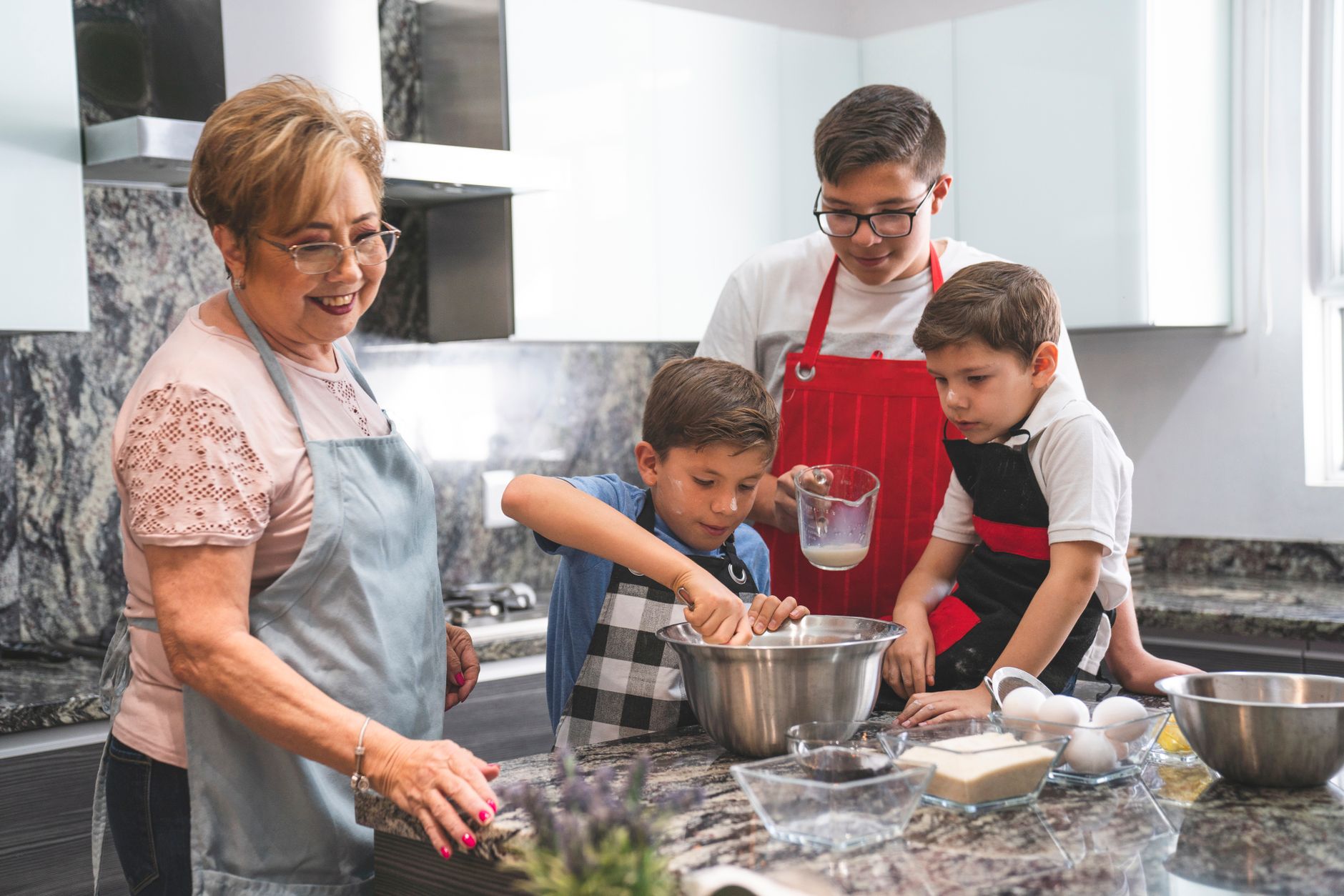
A typical morning session (09:00–12:30): kids arrive, wash hands, meet the host, and begin with a very brief chat about the day's dishes and why they matter in Vietnamese culture (5 minutes—no lecturing). Then straight to prep: washing, peeling, slicing vegetables while the host circulates, corrects grip, encourages. Around 45 minutes in, the first dish goes on heat—usually a stir-fry so kids see colour change and smell develop. While that cooks, the next prep begins. By 11:00, we sit down and eat everything they've cooked, often family-style with rice. The class finishes with cleanup (kids help) and a photo.
What if my child has a food allergy or won't eat certain things?
Tell us when you book. We build the menu around what's safe and what they'll actually eat. A child allergic to shellfish? We swap the fish-sauce-based dip for a peanut sauce. A vegetarian joining a mixed group? They make tofu stir-fry; the others make pork. We always keep rice and plain vegetables on hand. No child leaves hungry or stressed.
How do group sizes and booking work?
We run classes for groups of 3–8 children. Siblings and friends stay together. Smaller groups (3–5) mean more one-on-one guidance; larger groups bring more energy and peer learning. Private family sessions are also available if you want just your kids and a host. Ask us for dates and a quote on WhatsApp—we'll match you with a session or create one that fits your schedule. We coordinate all details via WhatsApp: pickup times, dietary needs, and what to expect.
Before you book: a checklist
- Age range: Is your child 6+? (We adapt for younger siblings if a parent co-participates, but solo sessions start at 6.)
- Allergies and dislikes: Have you told us? (We need this before confirming.)
- Duration: Half-day (3 hours) or full-day (6 hours including a market walk or garden visit)?
- Group size: Siblings only, or joining other families?
- Timing: Are you flexible on dates, or do you have fixed travel dates? (Flexibility helps us schedule better.)
- What happens after: Will you be cooking at home based on what they learned, or is this a one-time treat?
How a kids class compares to other Da Lat family experiences
| Experience | Best for | Time | What kids do | Why choose it |
|---|---|---|---|---|
| Cooking class | Food-curious kids, ages 6–12 | 3–6 hours | Prep, cook, eat | Learn technique, taste culture, take memory home |
| Farm and countryside experience | Nature lovers, all ages | 4–6 hours | Pick vegetables, feed animals, walk trails | Physical activity, farm-to-table link, outdoor energy |
| Flower arranging workshop | Kids who like colours and design | 2–3 hours | Design bouquets, learn symbolism | Calm, creative, takes 5+ minutes to see results |
| Art and culture class | Older kids (10+), aspiring artists | 2–3 hours | Paint, sketch, visit studios | Self-expression, cultural immersion, no "right answer" |
| Tea experience | Calm introverts, 8+ | 1.5–2 hours | Brew tea, taste samples, learn etiquette | Slower pace, ritual focus, sips not commitment |
The cooking class stands out because kids leave with a tangible meal they made, and it combines sensory learning (taste, smell, texture) with a cultural story. A farm visit is more active; a flower class is more meditative.
Common worries parents have, and how we address them
"My child has never cooked before—will they feel lost?" Most kids haven't. We start with confidence-building tasks (rolling, stirring, tasting) and save knife work for those who show steadiness. No one fails a cooking class.
"What if they hate the food?" Fair question. We always have plain rice, and kids can opt for a milder version of any dish. But most kids are braver when they've cooked it themselves—they're invested.
"Will the class feel too touristy or staged?" No. We cook in a family kitchen in a lane off the old quarter, using the same pots and techniques a local family would. No staged market visits or performances—just real work in a real home.
"How's the food safety?" Kitchen is clean, water is filtered, and all ingredients come from trusted suppliers we know personally. Knives are sharp (safer than dull ones). First-aid kit on hand. We've hosted hundreds of kids; no incidents.
"Can I stay in the kitchen and watch?" Yes. But kids cook best when parents step back—they're less self-conscious and more willing to make mistakes. We suggest you sit nearby with coffee, or step out if you're comfortable.
Why book with Cáo Experiences?
We're not a tourism company running classes in a rented space. We're home-based hosts who cook for our own families and guests the same way. We speak English fluently, adapt in real time, and genuinely care whether your child learns and enjoys. You book and coordinate directly via WhatsApp—no corporate middleman, no scripted experiences.
Explore all family experiences in Da Lat
See how a session runs
Ready to book?
Bring your child's dietary needs, preferred dates, and group size. We'll send options, a quote, and a simple pre-session form. Then you show up, roll sleeves, and cook.

FAQ
What age is best for a kids cooking class in Da Lat?
Ages 6–12 work best. Younger children can join if a parent co-cooks. Teens (13+) enjoy it as a skill-building class, not a kids' activity. We adapt each recipe for the group's age.
Do kids actually eat what they cook, or is it just for show?
They eat it. That's the whole point—tasting their own work. We sit down together around 11:00 or 14:30, and every plate is real food they made. Seconds are common.
What if it rains on the day of the class?
We cook indoors in a home kitchen. Rain doesn't affect us. A market walk might become a shorter sourcing trip, but the cooking continues as planned.
Can we do a private class just for our family, or only group classes?
Both. Group classes bring peer energy. Private family sessions let you set the pace and dietary needs without compromise. Ask us for availability and a quote via WhatsApp.
How long does a kids cooking class usually take?
Half-day sessions run 3 hours (09:00–12:30 or 13:30–16:30). Full-day sessions include a market walk, garden visit, or leisurely lunch, and run 6 hours. Most families choose half-day.
Will my child learn skills they can use at home?
Yes. Knife grip, heat control, seasoning balance, and confidence with a wok are all portable. Many families say their kids ask to cook more at home afterward—that's success for us.
Is this better than a cooking class in Hanoi or Saigon?
Da Lat's cool climate and highland markets mean fresher greens and seasonal vegetables. Classes here often include a small market walk or garden pick, which kids in lowland cities don't get. But if you're based in Hanoi, check our Hanoi cooking classes too.
Ask about dates
Tell us the city, your dates and what you would like to try. We reply on WhatsApp in English with options and availability.
FAQ
What age is best for a kids cooking class in Da Lat?
Ages 6–12 work best. Younger children can join if a parent co-cooks. Teens (13+) enjoy it as a skill-building class, not a kids' activity. We adapt each recipe for the group's age.
Do kids actually eat what they cook, or is it just for show?
They eat it. That's the whole point—tasting their own work. We sit down together around 11:00 or 14:30, and every plate is real food they made. Seconds are common.
What if it rains on the day of the class?
We cook indoors in a home kitchen. Rain doesn't affect us. A market walk might become a shorter sourcing trip, but the cooking continues as planned.
Can we do a private class just for our family, or only group classes?
Both. Group classes bring peer energy. Private family sessions let you set the pace and dietary needs without compromise. Ask us for availability and a quote via WhatsApp.
How long does a kids cooking class usually take?
Half-day sessions run 3 hours (09:00–12:30 or 13:30–16:30). Full-day sessions include a market walk, garden visit, or leisurely lunch, and run 6 hours. Most families choose half-day.
Will my child learn skills they can use at home?
Yes. Knife grip, heat control, seasoning balance, and confidence with a wok are all portable. Many families say their kids ask to cook more at home afterward—that's success for us.
Is this better than a cooking class in Hanoi or Saigon?
Da Lat's cool climate and highland markets mean fresher greens and seasonal vegetables. Classes here often include a small market walk or garden pick, which kids in lowland cities don't get. But if you're based in Hanoi, [check our Hanoi cooking classes](/destinations/hanoi) too.
More like this
Experiences for families and kids
Family workshop Vietnam vs Thailand: where to take kids in 2026
Vietnam and Thailand both offer immersive family workshops, but the pace, cost structure, and focus differ significantly. We run both types of sessions at Cáo Experiences and can help you choose.
Experiences for families and kids
Family Workshop Vietnam Gift Voucher: What Works Best
A family workshop gift voucher in Vietnam lets relatives experience cooking, craft, horse riding or tea together—no tickets, no queues, real hands-on time. We help you pick the right session type and duration for the ages and interests in your group.
Experiences for families and kids
Family workshops in Vietnam for Indian travelers: what to expect
Indian families visiting Vietnam often wonder how to keep children engaged and learn something authentic together. Cáo Experiences runs small-group and private workshops—cooking, coffee, flower arranging, craft, and farm days—designed for kids, parents, and grandparents, hosted in English with real