
Home › Blog › Experiences for families and kids
Kids Cooking Class in Da Nang: Hands-On Vietnamese Food for Families
By the Cáo Experiences team · 2026-11-06
At Cáo Experiences, our kids cooking class in Da Nang runs two to three hours in a family kitchen, where children aged 6–16 prepare two to three dishes from scratch under hands-on guidance. Sessions are hosted in English with small groups (typically four to eight children) or private family bookings. Kids learn knife skills, ingredient recognition, and traditional techniques—rolling spring rolls, making fish sauce dipping paste, stir-frying greens—while tasting as they go. We adapt recipes, portion sizes, and pace for younger children (ages 6–9 focus on assembly and tasting; 10+ tackle more knife work). All dietary needs, allergies, and vegetarian preferences are accommodated before the session. There's no prior cooking experience needed. Ask us for dates and a quote on WhatsApp to confirm availability and dietary requirements. Ask about dates on WhatsApp
What will my kids actually cook and taste?
Children prepare dishes they recognize and eat at home—not test-kitchen experiments. A typical session includes rolling fresh spring rolls with shrimp and herbs, making a simple fish sauce dip from scratch, stir-frying water spinach or morning glory with garlic, and assembling a noodle or rice bowl with fresh herbs. Younger kids often focus on rolling, mixing, and plating; older children handle more knife work and heat. Everyone tastes everything they make. We source ingredients fresh the morning of the class, so quality and ripeness vary by season—that's part of the real cooking lesson.

Why is Da Nang a good place for a family cooking class?
Da Nang sits on Vietnam's central coast with year-round access to fresh seafood, herbs, and tropical produce at local markets. The city has a slower pace than Hanoi or Ho Chi Minh City, so our host kitchens are quieter and less rushed—ideal for children learning new skills without overwhelming noise. The weather is warm and stable most months, making outdoor market visits (if included in your session) comfortable for kids. If you're staying in Da Nang for a few days, a cooking class fits naturally between beach time and sightseeing. The city is also compact; kitchens are 10–20 minutes from the central hotels where most families stay.
How does Cáo Experiences adapt a class for different ages?
We don't run a single fixed script. Before every session, we ask the parent or guardian the ages, any dietary needs, allergies, and cooking experience level. For ages 6–8, we set up a lower counter space, use child-safe knives, and focus on mixing, rolling, and tasting—building confidence and curiosity. Ages 9–12 handle regular knives with close supervision, learn basic knife techniques, and take on more responsibility. Ages 13–16 work more independently, learn the "why" behind techniques (heat control, timing, seasoning balance), and often help younger siblings or classmates. If a child is nervous or slow, we adjust the number of dishes or let them spend more time on one recipe. Rain doesn't stop us—the kitchen stays dry, and we simply skip any outdoor market visit we'd planned.
Who else books kids cooking classes in Da Nang?
Our typical guests are families visiting for a week; parents wanting children to engage with local culture beyond hotel pools; grandparents taking grandchildren on a "cooking adventure"; and school groups or homeschooling families needing a hands-on educational activity. Couples without kids sometimes book a private class to cook together. International families living in Da Nang book repeat sessions as a weekend ritual. Single parents, multi-generational trips, and families with mixed ages all work well—we've never turned away a combination that made sense to the family.
What should you check before booking a kids cooking class?
Use this checklist to avoid disappointment:
- Dietary needs & allergies: List every restriction—nuts, shellfish, soy, gluten—before confirming dates. We source fresh, so we can adapt recipes.
- Age range: Confirm your children's exact ages so we pair them with an appropriate task level.
- Duration expectation: A two-hour class includes setup, cooking, tasting, and a calm finish—not a rushed sprint.
- What "included" means: You cook and eat together in the kitchen; you don't get a written recipe booklet (though we teach by doing, so children remember the steps).
- Language: Sessions are hosted in English. If a child speaks no English, a parent or translator should be present.
- Cancellation & rain: Ask us about our policy on rescheduling if weather or illness strikes.
- Bringing food home: Kids eat everything fresh in the kitchen. We don't box up leftovers for takeaway.
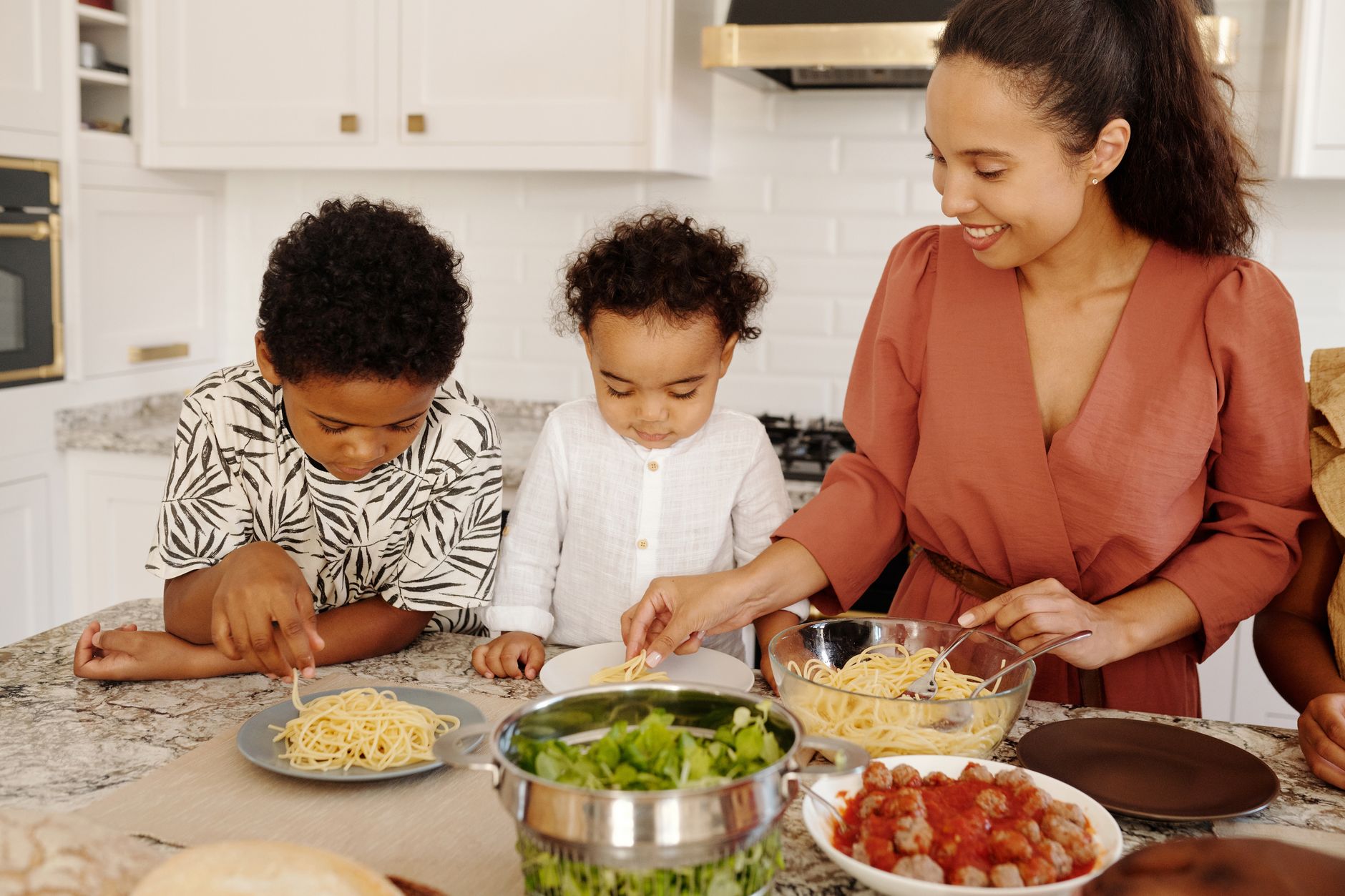
How does a typical two-hour kids cooking session flow, minute by minute?
Minutes 0–10: Arrival, wash hands, meet the host, and walk through the kitchen. We explain what you'll cook and why those dishes today.
Minutes 10–25: First dish prep—usually rolling fresh spring rolls. Each child gets a mat, rice paper, and ingredients. The host demonstrates once, then each child rolls two or three while the host moves around giving hands-on tips.
Minutes 25–40: Make the dipping sauce (fish sauce, lime, sugar, water, chili) by mixing in a bowl. Kids taste and adjust seasoning themselves.
Minutes 40–70: Cook the hot dish—stir-frying or simmering—while children watch and help add ingredients on cue. This is where they learn about heat, timing, and how flavors change as you cook.
Minutes 70–90: Plate everything, set a simple table, and eat together. The host eats too, so it's a shared meal, not a demo followed by dismissal. We talk about the food, ingredients, and how it's eaten at home in Vietnam.
Minutes 90–120: Clean up together (kids love this part), say goodbye, and exchange photos. Sessions can run longer by arrangement if your group is small and wants to learn more dishes.
What's the real difference between a private class and a small group?
| Aspect | Private Class (1 family) | Small Group (4–8 kids mixed families) |
|---|---|---|
| Cost per person | Higher total, lower per-child if 3+ kids | Lower per-person; best for 1–2 kids |
| What kids learn | Personalized pace; more one-on-one feedback | Peer energy; kids watch and learn from each other |
| Scheduling | Any date/time we're available | Scheduled group dates; less flexibility |
| Language comfort | English + your home language if needed | English only (unless a parent translates) |
| Ideal for | Families with very young kids (6–7) or picky eaters; multi-generational groups | School friends visiting together; kids who thrive in a classroom setting |
Both formats use the same kitchen and host expertise. Private classes let you stay longer, cook extra dishes, or repeat a favorite. Groups create a fun, shared memory that kids talk about afterward.
How does a kids cooking class fit into a broader Da Nang family trip?
A cooking class works best as a mid-trip anchor activity—not crammed into your first day when jet lag is high, and not on your last morning when you're packing. Pair it with our other family experiences: a gentle horse riding session outside town, a quiet tea experience where kids learn to brew and taste, or a morning street food and market tour where you visit stalls and buy ingredients before cooking lunch together. Many families book a class on day two or three, then revisit the dish at a local restaurant later in the trip to compare versions. This reinforces the learning and gives the experience a narrative arc.
What to check before you book
- Confirm dietary restrictions in your first WhatsApp message (shellfish, nuts, soy, gluten, vegetarian).
- Ask about the date you want; group classes run on set dates, private classes are more flexible.
- Clarify group size: private (just your family) or small group (4–8 kids from different families).
- Check the age range of your children so the host can prepare tasks at the right level.
- Understand what's included: cooking ingredients, tuition, eating together. Not included: printed recipes, takeaway boxes, transportation to/from your hotel (though we can suggest local taxi services).
- Ask about cancellation if weather or illness strikes—what's the policy?
- Find out the kitchen setup—is there a sink at child height? Are stools provided?

FAQ
What if my child has a severe peanut allergy?
Tell us before booking. We prepare all dishes in a separate, cleaned kitchen area and use fresh ingredients sourced that morning—no pre-made sauces with hidden nuts. We've hosted many children with severe allergies safely. Always confirm the full list of allergies in your first message.
Do kids need cooking experience to join?
No. We teach from zero. Kids ages 6–9 focus on confidence and fun; older kids build real skills. Absolute beginners often shine because they're not afraid to try.
Will my child get homesick or bored during a two-hour class?
Two hours passes quickly when kids are rolling food and tasting. If a child is anxious, a parent can stay in the kitchen (out of the way). We've never had a child want to leave early.
Can I stay and watch, or do I have to leave?
You can stay if you like—sit quietly to the side and observe. Many parents do this on a first visit, then trust the host on repeat sessions. It's your choice.
How much does a kids cooking class cost?
Ask us for dates and a quote on WhatsApp. Pricing depends on group size (private vs. small group), number of children, and whether we include a market visit. We'll send a clear quote once we confirm your dates and needs. --- See how a session runs
Ask about dates
Tell us the city, your dates and what you would like to try. We reply on WhatsApp in English with options and availability.
FAQ
What if my child has a severe peanut allergy?
Tell us before booking. We prepare all dishes in a separate, cleaned kitchen area and use fresh ingredients sourced that morning—no pre-made sauces with hidden nuts. We've hosted many children with severe allergies safely. Always confirm the full list of allergies in your first message.
Do kids need cooking experience to join?
No. We teach from zero. Kids ages 6–9 focus on confidence and fun; older kids build real skills. Absolute beginners often shine because they're not afraid to try.
Will my child get homesick or bored during a two-hour class?
Two hours passes quickly when kids are rolling food and tasting. If a child is anxious, a parent can stay in the kitchen (out of the way). We've never had a child want to leave early.
Can I stay and watch, or do I have to leave?
You can stay if you like—sit quietly to the side and observe. Many parents do this on a first visit, then trust the host on repeat sessions. It's your choice.
How much does a kids cooking class cost?
Ask us for dates and a quote on WhatsApp. Pricing depends on group size (private vs. small group), number of children, and whether we include a market visit. We'll send a clear quote once we confirm your dates and needs. --- [🍜 See how a session runs](/contact)
More like this
Experiences for families and kids
Family workshop Vietnam vs Thailand: where to take kids in 2026
Vietnam and Thailand both offer immersive family workshops, but the pace, cost structure, and focus differ significantly. We run both types of sessions at Cáo Experiences and can help you choose.
Experiences for families and kids
Family Workshop Vietnam Gift Voucher: What Works Best
A family workshop gift voucher in Vietnam lets relatives experience cooking, craft, horse riding or tea together—no tickets, no queues, real hands-on time. We help you pick the right session type and duration for the ages and interests in your group.
Experiences for families and kids
Family workshops in Vietnam for Indian travelers: what to expect
Indian families visiting Vietnam often wonder how to keep children engaged and learn something authentic together. Cáo Experiences runs small-group and private workshops—cooking, coffee, flower arranging, craft, and farm days—designed for kids, parents, and grandparents, hosted in English with real