
Home › Blog › Experiences for families and kids
Kids Cooking Class in Ho Chi Minh City for Foreigners
By the Cáo Experiences team · 2026-11-06
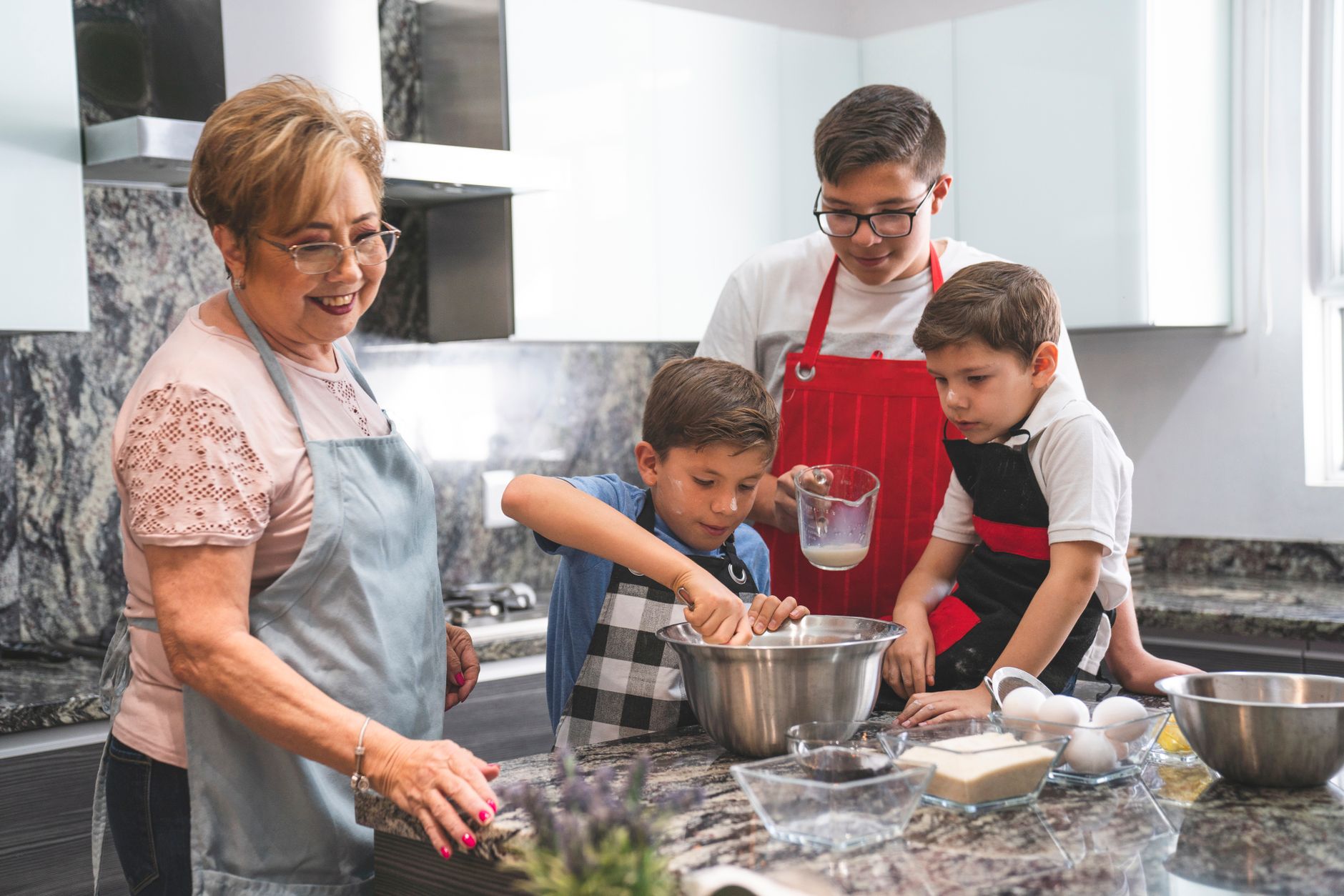
At Cáo Experiences, we host kids' cooking classes in family kitchens across Ho Chi Minh City, welcoming foreign families, expat children, and mixed-age groups. Sessions run 2–3 hours (depending on your preference), beginning with a tour of wet-market ingredients or a short walk to source what we'll cook. Kids aged 6 and up learn knife skills, taste-testing, and teamwork while preparing 2–4 dishes—typically spring rolls, a stir-fry, soup, and dessert—that they actually eat together at the end. We adapt for allergies, dietary preferences, and all skill levels; younger children focus on assembly and mixing, older kids handle more knife work. Each session is English-hosted and co-led by our culinary guide and a translator or bilingual host. Ask us for dates and a quote on WhatsApp to confirm group size, child ages, dietary needs, and whether you want a market walk included. Ask about dates on WhatsApp
What Age Groups Learn Best in a Kids Cooking Class?
Children aged 6–16 engage differently, and we adjust every session accordingly. Ages 6–8 focus on sensory learning—smelling lemongrass, tasting fermented shrimp paste in tiny amounts, using their hands to mix and mold spring rolls. They rarely hold knives; instead, they tear herbs, arrange toppings, and crack eggs. Ages 9–12 gain confidence with vegetable knives under guidance, learning to julienne cucumber or slice scallions safely. Teenagers and pre-teens often want to nail technique and understand why Vietnamese cooking uses certain ingredients and methods; we let them lead a dish from start to finish. Family sessions with mixed ages work well: older siblings mentor younger ones, parents join hands-on, and the class becomes less formal and more collaborative. We've found that kids who initially say "I don't like cooking" often stay focused longest because the payoff—eating something they made—is immediate and real.

How Does a 2.5-Hour Session Actually Flow?
We start by gathering in the kitchen—no long lectures. If the group is new to the neighborhood, we walk 10 minutes to a wet market or produce vendor to show kids where the ingredients come from and let them choose a few items. Back in the kitchen, we lay out all ingredients: fresh herbs bundled separately, garlic and shallots minced or whole (depending on the child's knife level), and proteins ready or waiting. One host guides prep; the other manages the stove and timing. Kids work in pairs or small teams on one dish each—one pair rolls spring rolls while another preps a simple cucumber salad, for example. Every 20–30 minutes we rotate dishes so everyone tries different tasks. The final 30 minutes, we plate together, set the table, and eat. Kids taste what they've cooked; adults eat too. We never rush the meal—this is the teaching moment. Conversations happen naturally: "Why does this taste salty?" "How do you know when the oil is hot enough?" Questions come from hunger and curiosity, not a script.
What Do Kids Actually Cook—And Can You Customize the Menu?
The core menu stays flexible based on season and group interest. Typical dishes include fresh spring rolls (gỏi cuốn) with shrimp or tofu, a vegetable stir-fry (like morning glory or broccoli with garlic), a light soup (often egg drop or a simple crab-flavored broth), and a dessert—either banana in sticky rice or a no-bake mango pudding. If a child is vegetarian, vegan, or allergic (peanuts, shellfish, soy), we adapt every dish. We can swap shrimp for tofu, omit fish sauce or use a soy-free alternative, or replace peanut oil with another oil. We've cooked for groups learning about regional Vietnamese cuisine (northern vs. southern styles), and we've done "lunch box" sessions where kids prepare meals to take home. We avoid dishes requiring hours of simmering or deep-frying alone—we want kids actively involved, not watching. Before booking, tell us the ages, any dietary or allergy needs, and whether the group has cooking experience. We'll propose a menu that matches their skill level and interests.
What Should Kids Wear and Bring?
Wear clothes that can get wet or stained—Vietnamese kitchens are warm and active. We provide aprons (child-sized). Closed-toe shoes are safer than sandals around a stove; bring a change of socks if you're worried. No jewelry or long sleeves that might drag. Kids should bring water bottles; we provide tea or juice. Cameras or phones are welcome if parents want to document, though we suggest putting them away during the actual cooking so kids stay present. Some children bring a small notebook to sketch a dish or write down a recipe they liked. We don't ask kids to bring ingredients; we source and prep everything. If a child has a severe allergy (nut-free environment, for example), let us know in advance so we can plan our shopping and prep separately.
How Do Weather and Allergies Change the Plan?
Ho Chi Minh City's heat and occasional monsoon rain don't stop a session—kitchens are indoors and cool. If flooding blocks a market walk, we skip it and start straight in the kitchen; the cooking itself isn't affected. If a child feels unwell on the day, we can reschedule with notice. For allergies, we take them seriously: if a child is severely allergic to peanuts or shellfish, we source completely different proteins and tell you exactly what we'll cook weeks ahead. We never use shared cutting boards or utensils for allergen-containing ingredients. If a child has a nut allergy, we use nut-free oil and check every sauce we use. We ask families to confirm allergies and intolerances in writing before the session so we have time to source alternatives from vendors we trust. Dietary preferences (vegetarian, halal, kosher) are also straightforward—we adjust the protein and make sure all sauces and broths align. Bring any specific supplements, medications, or medical needs; we have space to store them and water to take them with.

Private vs. Small-Group: Which Fits Your Family?
| Session Type | Group Size | Best For | Why It Works |
|---|---|---|---|
| Small-group | 4–6 kids, mixed families | Expat families, visiting friends | Kids bond, cost is shared, less pressure than private |
| Private (family or couple) | 2–4 kids (siblings or close friends) | Families wanting flexibility, specific dietary needs | More host attention, custom menu, no schedule pressure |
| Extended group | 7–12 kids (school groups, camps) | Expat schools, international programs, family reunions | Larger hands-on kitchen space, team energy, we co-host |
Most families start with a small-group session to get a feel for how we teach. If you want to repeat or deepen—say, learning a specific regional cuisine or trying fermentation—we move to private bookings. Pricing depends on group size, session length, market walk inclusion, and dietary complexity; ask us for dates and a quote on WhatsApp and we'll be specific.
How to Check Before You Book: Real Questions to Ask Yourself
- Are all kids actually interested in cooking, or is one being dragged along? If reluctant, we often pair them with a younger enthusiast; peer teaching works.
- Do you have a hard stop time, or flexibility if kids are absorbed? Sessions usually end on time, but if the group is cooking well and the vibe is right, a 15-minute overrun is fine.
- Is anyone uncomfortable eating unfamiliar food? We taste everything together; refusing a bite is okay, but we gently encourage tasting. Kids are braver in groups.
- Do you want photos, or would you rather be present without documenting? Both are fine; tell us and we'll adapt.
- Is anyone a picky eater long-term, or just cautious about new flavors? Vietnamese home cooking has mild versions of everything; we don't push heat or strong flavors.
- Can you get to a family kitchen in a lane off the old quarter, or do you need a pickup? We're centrally located; if transport is an issue, ask—sometimes we can arrange it or suggest nearby meeting points.
Other Family and Kids Experiences We Run
If your group wants variety beyond cooking, we also host flower arranging workshops (kids aged 8+ love creating arrangements), farm and countryside experiences (perfect for city kids to see where food comes from), and horse riding (older children and teens). Many families combine a cooking class with a street food and market tour the next day to taste how locals eat. We also run group and corporate experiences if you're organizing a school group or multi-family event. See all family experiences for a full list of what we offer.
See how a session runs
Ready to Book? Here's What to Do Next
Reach out on WhatsApp with your preferred dates, the kids' ages, group size, and any allergies or dietary needs. We'll propose a menu, confirm the kitchen location and time, and give you the full details. Payment and logistics happen via WhatsApp—no surprise fees, no hidden steps. We operate year-round in Ho Chi Minh City; sessions fill up during school holidays and weekends, so book 2–3 weeks ahead if you can. First-timers often feel nervous about whether their kids will cooperate or enjoy it; we promise that the format (small group, hands-on, ending with food) almost always works. Kids remember cooking classes long after tourist attractions fade.
FAQ
What if a child refuses to eat what they cooked?
Happens rarely, but it's fine. We never force tasting. Kids often change their mind after seeing peers enjoy it, or they taste it weeks later at home. The learning and teamwork happen whether or not they eat.
Can we do a private session with just our family of three?
Yes. Private sessions work better for small families because we tailor the menu and pace entirely to your kids' ages and interests. We'll quote you separately—ask on WhatsApp.
Do you teach kids how to cook for themselves at home, or just the class recipes?
Both. We teach technique (knife skills, heat control, seasoning by taste) and explain why Vietnamese cooking works the way it does, so kids can adapt recipes or cook other dishes once home.
How much of the market walk is in the sun, and what if a kid gets tired?
The walk is 10–15 minutes, mostly shaded lanes. If a child is very young or gets tired easily, we skip it and start in the kitchen—the cooking itself is the main event.
What if the cooking class coincides with a school holiday and sessions are booked out?
They fill fast. Contact us as soon as you know your dates; sometimes we open extra sessions or suggest nearby dates that work just as well.
Can we do a cooking class in our own Airbnb kitchen or hotel suite instead?
We prefer our kitchens because they're set up with the right equipment and space for kids. Small Airbnb kitchens are cramped and lack proper ventilation. If it's essential, ask and we'll assess—sometimes it works, sometimes it doesn't.
Ask about dates
Tell us the city, your dates and what you would like to try. We reply on WhatsApp in English with options and availability.
FAQ
What if a child refuses to eat what they cooked?
Happens rarely, but it's fine. We never force tasting. Kids often change their mind after seeing peers enjoy it, or they taste it weeks later at home. The learning and teamwork happen whether or not they eat.
Can we do a private session with just our family of three?
Yes. Private sessions work better for small families because we tailor the menu and pace entirely to your kids' ages and interests. We'll quote you separately—ask on WhatsApp.
Do you teach kids how to cook for themselves at home, or just the class recipes?
Both. We teach technique (knife skills, heat control, seasoning by taste) and explain *why* Vietnamese cooking works the way it does, so kids can adapt recipes or cook other dishes once home.
How much of the market walk is in the sun, and what if a kid gets tired?
The walk is 10–15 minutes, mostly shaded lanes. If a child is very young or gets tired easily, we skip it and start in the kitchen—the cooking itself is the main event.
What if the cooking class coincides with a school holiday and sessions are booked out?
They fill fast. Contact us as soon as you know your dates; sometimes we open extra sessions or suggest nearby dates that work just as well.
Can we do a cooking class in our own Airbnb kitchen or hotel suite instead?
We prefer our kitchens because they're set up with the right equipment and space for kids. Small Airbnb kitchens are cramped and lack proper ventilation. If it's essential, ask and we'll assess—sometimes it works, sometimes it doesn't.
More like this
Experiences for families and kids
Family workshop Vietnam vs Thailand: where to take kids in 2026
Vietnam and Thailand both offer immersive family workshops, but the pace, cost structure, and focus differ significantly. We run both types of sessions at Cáo Experiences and can help you choose.
Experiences for families and kids
Family Workshop Vietnam Gift Voucher: What Works Best
A family workshop gift voucher in Vietnam lets relatives experience cooking, craft, horse riding or tea together—no tickets, no queues, real hands-on time. We help you pick the right session type and duration for the ages and interests in your group.
Experiences for families and kids
Family workshops in Vietnam for Indian travelers: what to expect
Indian families visiting Vietnam often wonder how to keep children engaged and learn something authentic together. Cáo Experiences runs small-group and private workshops—cooking, coffee, flower arranging, craft, and farm days—designed for kids, parents, and grandparents, hosted in English with real