
Home › Blog › Experiences for families and kids
Kids Cooking Class in Mai Chau: What to Know Before Booking
By the Cáo Experiences team · 2026-11-06
A kids cooking class in Mai Chau runs in a family kitchen in one of the valley villages, usually 2.5 to 3 hours, with 2–8 children per group. Cáo Experiences matches you with a local host family; kids arrive, wash hands, then prepare 2–4 dishes—typically fresh spring rolls, a stir-fry, and soup or a dipping sauce—under gentle guidance. No prior cooking skill needed; we adapt portions and knife work for ages 5+. You'll taste everything you cook, sit together to eat, and leave with a printed recipe sheet. The family's English-speaking guide explains ingredients and techniques as you go. Ask us for dates and a quote on WhatsApp; cost depends on group size and season. Rain reshuffles nothing—the kitchen stays dry—but we confirm weather 48 hours before. Allergies and dietary needs: tell us upfront so the family sources alternatives or adjusts the menu.
What actually happens during the three hours?
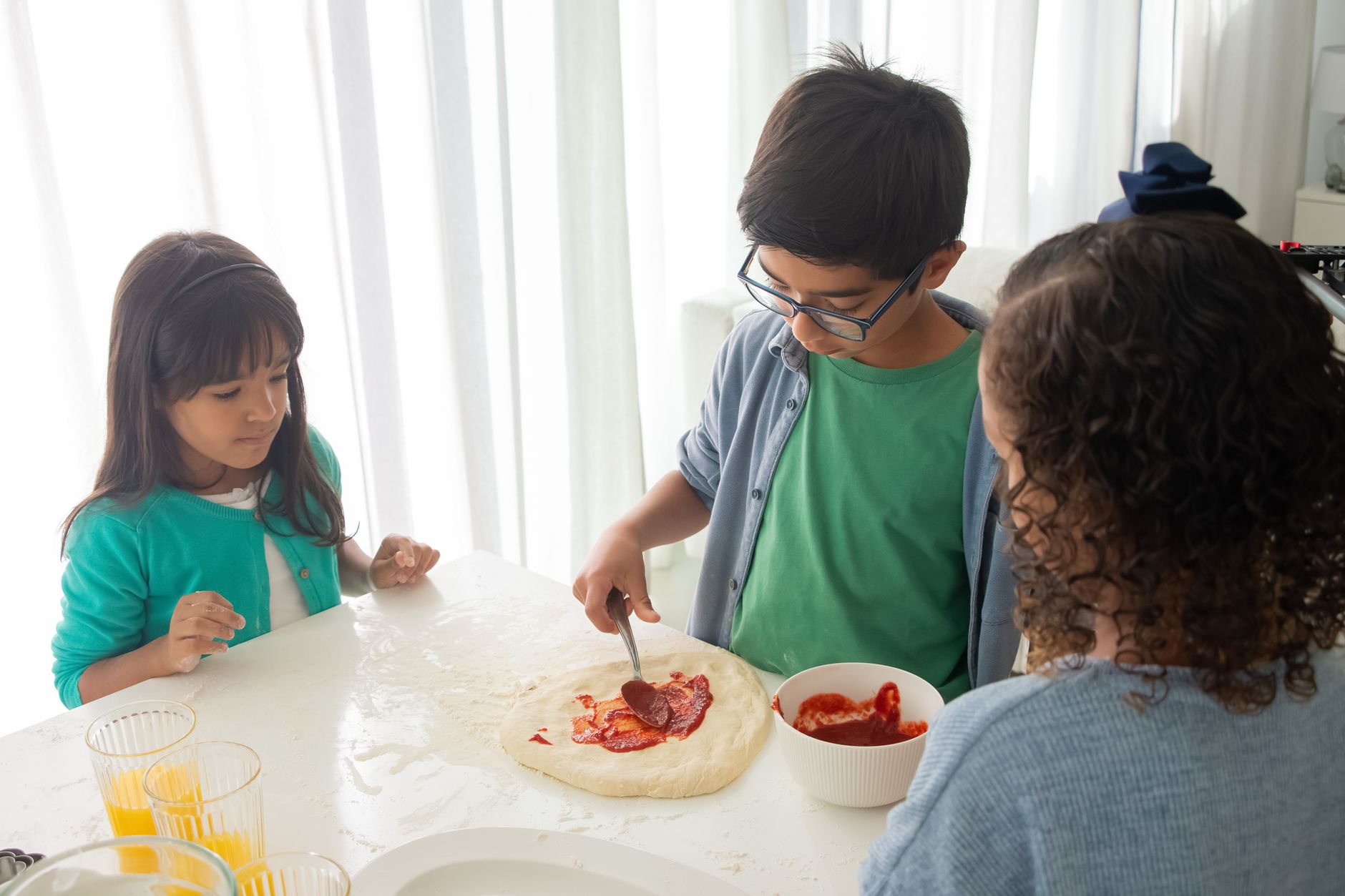
Kids arrive at the family kitchen around 9 a.m. or 2 p.m. (we confirm the exact time when you book). The cook greets you, shows everyone the ingredients laid out on a large wooden table, and begins with a short talk—in English—about where each ingredient comes from: garlic and ginger from the garden, fish sauce from the market, herbs foraged nearby. Then the real work starts. Each child gets a small cutting board and a child-safe knife; we pair younger kids (5–7) with an older sibling or a helper so no one feels lost. The cook demonstrates rolling a spring roll once, slowly, showing how to wet the rice paper and tuck in the filling. Then kids roll their own—most mess up the first two, which is the point. They laugh, try again, get better. By roll five or six, they've got the motion down. Meanwhile, another child might be stirring a pot of coconut soup or cracking eggs for an omelette. The kitchen fills with steam, the smell of fish sauce and lime, and a lot of chatter. Around the halfway point, the first dish goes on the table—usually the spring rolls or a quick stir-fry—and kids taste what they made. Energy stays high. By 11:30 or 4:30 p.m., everything is ready. You sit together at a long table, eat family-style, and the cook talks about how these same dishes are made for festivals or everyday meals in the village.

Is this suitable for children who have never cooked?
Beginners are exactly who we design this for. Kids worry they'll "do it wrong"—but a family kitchen has no plating rules, no inspection, just people making food to eat. We use simple techniques: rolling, stirring, chopping soft vegetables (not raw meat). A 6-year-old can peel garlic; a 10-year-old can learn the motion of a stir-fry wok on a calm flame. If a child is anxious about using a knife, we give them a vegetable peeler or ask them to tear herbs instead. The cook watches for confidence, not perfection. By the end, most kids are proud they made something real that fed their family. That confidence sticks.
What should kids wear and bring?
Wear clothes you don't mind getting stained—cooking splashes happen, and a little turmeric or soy sauce on a shirt is part of the memory. Closed-toe shoes (not flip-flops) in case something hot spills. Bring a small notebook and pencil if your child likes to draw or write; we'll give you a printed recipe sheet at the end, but some kids love sketching the ingredients or the kitchen. A camera or phone is fine for photos. No backpacks or valuables needed. In the warm months (May–September), bring a small water bottle; we'll keep it cool. If your child has a food allergy or is vegetarian, email or WhatsApp us the details at least a week before so the family can plan the menu—they'll source alternatives or teach a different dish altogether.
How do we adapt for younger kids (5–7) versus older kids (8+)?
Younger children often need a buddy—an older sibling, a parent, or a kitchen helper—to guide hand-over-hand through chopping or wrapping. They tire faster, so we give them tasks that rotate: five minutes of rolling, then five minutes of stirring, then tasting and resting. The cook keeps explanations short and uses a lot of showing, not telling. Older kids (8+) can work more independently, learn the "why" behind technique (why we stir in one direction, why salt goes in at a certain time), and often want to try recipes twice to improve. We might challenge them to taste a dish blindfolded and guess the ingredients, or to teach a younger sibling their technique. For teenagers (13+), we can deepen it: talking about ratios, adapting recipes for dietary needs, or learning a more complex dish like caramelized fish or hand-pulled noodles.
What's the difference between a class here in Mai Chau versus Hanoi or Hoi An?
| Factor | Mai Chau family kitchen | Hanoi city class | Hoi An heritage kitchen |
|---|---|---|---|
| Setting | Rural village house, garden outside, 1–2 families | Urban studio or rented space | Ancient-town shophouse, tourist district |
| Host | Multigenerational family, often with kids your age in the house | Professional cooking instructor | Heritage guide or retired chef |
| Pace | Relaxed; kids may help feed animals or pick herbs before/after | Timed; 2–2.5 hours, clock-watched | Balanced; storytelling woven in |
| Dishes | Seasonal, whatever the family cooks daily | Set menu (often 3–4 standardized dishes) | Tourist-friendly classics (often fish cake, banh mi-adjacent) |
| Noise & chaos | Yes; chickens, kids, dogs, laughter, real life | Quiet; controlled environment | Moderate; foot traffic outside |
| Takeaway feel | You've eaten with a friend; recipe is a memory aid | You've learned techniques; recipe is a checklist | You've learned history; recipe is a souvenir |
Mai Chau suits families who want to live the experience—kids who are curious about how villagers actually cook, not just the mechanics. Hanoi classes work for schedule-conscious city visitors. Hoi An is ideal if you want photography and a polished, cultural angle.
What should we check before booking a kids cooking class?
Confirm dietary needs now. If your child won't eat fish, is allergic to nuts, or is vegetarian, tell us when you WhatsApp. The family will know before you arrive—no surprises.
Ask the age range of your group. A class with five 6-year-olds runs differently from one with a 10-year-old and three teenagers. We'll match you fairly, but confirm who else is coming so you know the vibe.
Bring a photo or video camera if you want one. The cook won't pose, but the best moments—flour on a kid's nose, a successful first roll, tasting together—happen naturally. We won't frame a shoot; we're cooking, not performing.
Plan transport. Mai Chau is a 2-hour drive from Hanoi. We can discuss how to get there: a private car, a tour driver, or renting a motorbike if you're confident. Ask us for advice.
Tell us about any mobility or language concerns. If a child is shy or non-verbal, that's fine; the kitchen is a safe place to watch and participate at your own pace. If a parent needs to stay close, they can—we don't separate families.
Check weather 48 hours before. Mai Chau's monsoon months (July–August) can be rainy, but the kitchen stays warm and dry. We'll confirm the morning of if there's any reason to reschedule (flooding in the village, very rare).
Booking a kids cooking class with us means your child will spend a morning or afternoon in a real home, learning from people who cook this food every day. It's not a performance; it's an invitation to the table.
For more hands-on family experiences, explore our family-experiences page or read about how Vietnamese cooking classes work across our destinations. If you're also interested in other activities, check out our farm and countryside experiences or tea experiences in the region.
Pages from our team you may need

FAQ
What age can kids start a cooking class with you?
We welcome kids from age 5 upward. Younger children need a parent or helper nearby; older kids (8+) work more independently. Teenagers can join and often enjoy being challenged with more complex techniques or dishes.
Do kids have to eat everything they cook?
No. We encourage tasting, but if a child is uncomfortable with a dish, they don't have to eat it. We always have rice, water, and simple food available. The cook respects preferences without judgment.
What if my child is a picky eater?
Tell us in advance. The family will adapt: perhaps substituting a vegetable, offering a milder spice level, or teaching a completely different dish that suits their diet. Cooking together often makes kids more willing to try new flavors.
Can parents join the class, or do they watch from outside?
Parents can absolutely cook alongside their child if you book a private class. For group sessions, one parent can stay in the kitchen and help; others may rest in a nearby room or sit outside. We'll discuss what works best when you book.
How do we get to Mai Chau, and how long does the journey take?
Mai Chau is roughly 2 hours by car from Hanoi. We'll advise on transport options—private hire, a local driver, or motorbike rental if you're experienced. Confirm with us when you book; we can recommend reliable options.
What's included in the price, and are there hidden costs?
The session includes all ingredients, kitchen use, the cook's time, English guidance, and a printed recipe sheet. Transport to Mai Chau is separate; ask us for a full quote that covers everything relevant to your group.
Ask about dates
Tell us the city, your dates and what you would like to try. We reply on WhatsApp in English with options and availability.
FAQ
What age can kids start a cooking class with you?
We welcome kids from age 5 upward. Younger children need a parent or helper nearby; older kids (8+) work more independently. Teenagers can join and often enjoy being challenged with more complex techniques or dishes.
Do kids have to eat everything they cook?
No. We encourage tasting, but if a child is uncomfortable with a dish, they don't have to eat it. We always have rice, water, and simple food available. The cook respects preferences without judgment.
What if my child is a picky eater?
Tell us in advance. The family will adapt: perhaps substituting a vegetable, offering a milder spice level, or teaching a completely different dish that suits their diet. Cooking together often makes kids more willing to try new flavors.
Can parents join the class, or do they watch from outside?
Parents can absolutely cook alongside their child if you book a private class. For group sessions, one parent can stay in the kitchen and help; others may rest in a nearby room or sit outside. We'll discuss what works best when you book.
How do we get to Mai Chau, and how long does the journey take?
Mai Chau is roughly 2 hours by car from Hanoi. We'll advise on transport options—private hire, a local driver, or motorbike rental if you're experienced. Confirm with us when you book; we can recommend reliable options.
What's included in the price, and are there hidden costs?
The session includes all ingredients, kitchen use, the cook's time, English guidance, and a printed recipe sheet. Transport to Mai Chau is separate; ask us for a full quote that covers everything relevant to your group.
More like this
Experiences for families and kids
Family workshop Vietnam vs Thailand: where to take kids in 2026
Vietnam and Thailand both offer immersive family workshops, but the pace, cost structure, and focus differ significantly. We run both types of sessions at Cáo Experiences and can help you choose.
Experiences for families and kids
Family Workshop Vietnam Gift Voucher: What Works Best
A family workshop gift voucher in Vietnam lets relatives experience cooking, craft, horse riding or tea together—no tickets, no queues, real hands-on time. We help you pick the right session type and duration for the ages and interests in your group.
Experiences for families and kids
Family workshops in Vietnam for Indian travelers: what to expect
Indian families visiting Vietnam often wonder how to keep children engaged and learn something authentic together. Cáo Experiences runs small-group and private workshops—cooking, coffee, flower arranging, craft, and farm days—designed for kids, parents, and grandparents, hosted in English with real