
Home › Blog › Experiences for families and kids
Kids cooking class in Vietnam for families: what to expect
By the Cáo Experiences team · 2026-11-06
A kids cooking class in Vietnam through Cáo Experiences is a hands-on 2–3 hour session where children (aged 4–16) and parents cook 3–5 simple Vietnamese dishes together in a family kitchen — usually in a lane or courtyard off the main tourist flow. Kids learn to prep ingredients, roll spring rolls, stir-fry, or shape hand-pulled noodles while adults guide them and cook alongside. We run sessions in English with WhatsApp coordination across Hanoi, Saigon, Hoi An, Da Nang, and Da Lat; no prior cooking skill is needed, and we adapt recipes, portion sizes, and pace for younger or older children, dietary restrictions, and family dynamics. Ask us for dates and a quote on WhatsApp — cost covers ingredients, instruction, and a meal of what you've cooked.
How does a kids cooking class actually run, hour by hour?
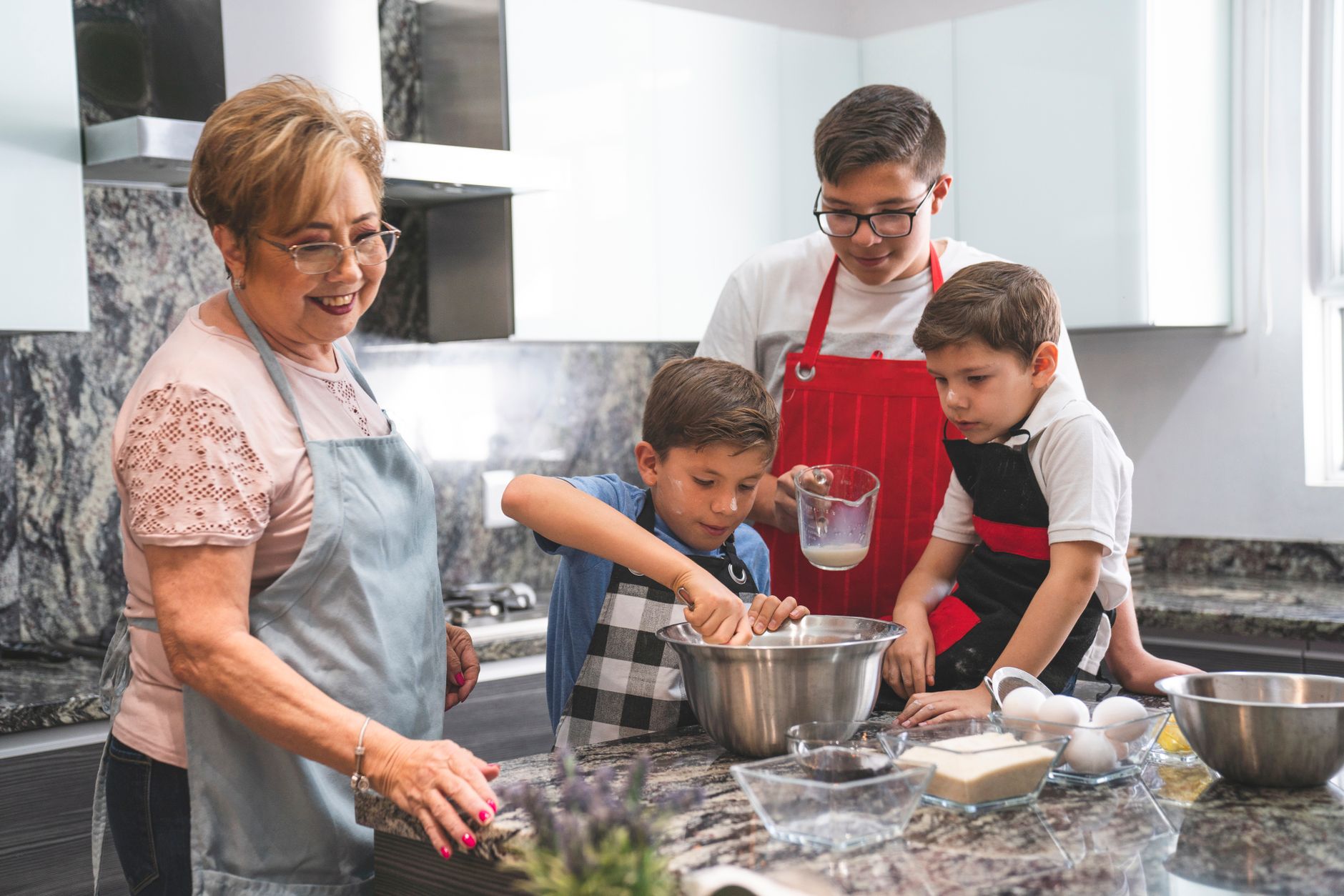
We start with a quick kitchen tour and ingredient introduction — kids point to garlic, fish sauce, fresh herbs, and we explain what each does without overwhelming them. Then everyone washes hands and gathers around the prep station. The first dish is usually fresh spring rolls: kids help lay out rice paper, arrange herbs and rice noodles, then roll (we show the fold technique once, then they try; sometimes they're loose, sometimes perfect — both are fine). Parents usually step in to tighten if needed. By the 45-minute mark, everyone's hungry and curious. We move to the stove for a simple stir-fry or clear broth-based noodle dish — younger kids stand on a step stool or sit at a low table nearby and watch, older kids take turns at the wok under our hand. Around hour 1.5, the smell of cooking fills the kitchen. We plate everything, set a low table with chopsticks, and eat together. Kids often taste dishes they said they'd never try. The final 30 minutes is cleanup (we help) and a quick chat about Vietnamese food customs — why we eat family-style, what makes a balanced bowl.
What age ranges work, and how do we adjust?
Kids aged 4–6 prep soft ingredients (tearing herbs, breaking noodles, arranging fillings in bowls) and mostly observe cooking; parents do the stir-frying. They leave with pride and a full stomach. Ages 7–11 roll spring rolls independently, stir a gentle pan, and fetch ingredients on command — they feel like real cooks. Ages 12–16 handle sharper knives (with guidance), manage heat, taste and adjust seasoning, and often finish a dish almost alone. Younger siblings sometimes join; we give them a wooden spoon and a pot of water to "cook" their own soup while the older kids work. Seniors or parents with limited mobility sit comfortably, prep from a chair, and direct — we adapt. The key is no one stands idle long, and success looks different for each person in the room.
What should families bring and wear?
Wear clothes you don't mind splashing — we have aprons, but soy sauce and turmeric stain. Closed-toe shoes help if something hot spills. Bring nothing else; we provide all equipment, ingredients, and aprons. If a child has severe food allergies, tell us on WhatsApp before booking so we source safe substitutes. Phones are fine for photos after cooking (not during — we ask people to be present). Some families bring a small gift for the host (optional, never expected). Wet, cool weather is normal; we have covered kitchen spaces and indoor prep areas in every location.
Which dishes do kids cook, and can we choose?
We typically offer a rotating menu based on season and local availability — fresh spring rolls, clear chicken or vegetable noodle soup, simple stir-fried water spinach or bok choy, hand-pulled tapioca noodles, and fresh herb salads. Some Vietnamese cooking class menus include a light fish caramel dish or egg fried rice, depending on location. Kids aged 4–8 do better with rolling, kneading, or gentle stirring; older children can handle seasoning and heat judgment. If your family has vegetarian, gluten-free, or shellfish-free needs, tell us and we'll build the menu around safe swaps — tofu instead of meat, tamari or coconut aminos instead of soy sauce. The goal is food your kids will recognize and eat at home later, not restaurant show-off cooking.

How does this compare to cooking classes for adults?
| Aspect | Kids class | Adult class | Why the difference |
|---|---|---|---|
| Duration | 2–3 hours | 2.5–4 hours | Kids tire or lose focus; adults enjoy depth |
| Dishes | 3–4 simple ones | 4–5 varied dishes | Adults handle multiple techniques faster |
| Knife work | Minimal; mostly adults | Significant; all guests | Safety + kids develop skills at own pace |
| Pace | Slower; lots of explanation | Brisk; assumes some kitchen sense | Different learning styles and attention spans |
| Eating | Casual, family-style | Plated, more formal tasting | Reflects the experience goal |
| Takeaway | Confidence, taste memory | Recipes, technique, cultural context | Adults want to replicate at home |
Families often ask: is the adult Vietnamese cooking class too advanced for my 14-year-old? Sometimes yes. We recommend the kids class if your teenager prefers hands-on learning over lecture, or if younger siblings will join. If they're confident with knives and interested in restaurant technique, try the adult class and we'll give them extra attention.
What happens if it rains or the kitchen isn't ready?
We have backup indoor kitchens in every city — some attached to language schools, others in family homes with covered courtyards. Rain is normal in monsoon months (May–October in many areas); we simply move to a sheltered space. We keep the session the same: same heat, same dishes, same vibe. We don't cancel for weather unless a typhoon warning is active (very rare), and we'll reschedule for free within 2 weeks. Kids often find a rainy kitchen more cozy. If a host gets sick, we find another within 48 hours or offer a full reschedule. In 2026, we coordinate all changes via WhatsApp — you'll know immediately if anything shifts.
How does a kids class fit into a broader Vietnam trip?
Many families combine a cooking class with a street food and market tour — kids learn to identify ingredients in a market, then cook with them hours later. Some pair it with a farm and countryside experience outside Hanoi or Da Lat to see where vegetables grow. If you're in Hoi An or Da Nang, a flower arranging workshop or art and culture classes work well on a separate day — kids get variety, you get rest. We also run group and team experiences for extended families or family friends traveling together; we'll design a multi-day itinerary if you want. Ask us on WhatsApp what's available in your dates and locations.
What to check before you book
- Verify the age range fits. We take ages 4+, but a very shy 4-year-old might do better waiting until age 6; tell us their personality and we'll advise.
- State all dietary restrictions. Nuts, shellfish, gluten, vegetarian, vegan — mention them so we source ahead.
- Check location and timing. Different cities have different operating hours. See Hanoi, Saigon, Hoi An, Da Nang, and Da Lat availability on our site.
- Confirm group size. We run private sessions (just your family) or small groups (2–3 families, max 10 people). Ask if you're unsure.
- Plan transport. Kitchens are usually a 5–20 minute ride from central tourist areas; we'll give exact address once booked.
- Ask about photos. Some families want professional shots; we can often arrange that — mention it when you inquire.
For more family-friendly activities, explore our family experiences hub or read more stories from our hosts.

FAQ
Can a 3-year-old join a kids cooking class?
We recommend 4+ because younger children struggle with kitchen safety and sitting still for 2+ hours. If you have a 3-year-old and older siblings, contact us — we sometimes adapt a private session to include toddler-friendly prep tasks in a safe corner.
Do kids actually eat what they cook, or is it too spicy?
Yes, most do. We avoid heavy chilies in kids classes and build mild, recognizable flavors. Kids often taste dishes they claimed to dislike at home because they made them themselves. We also always have rice and light noodles as a backup if someone's nervous.
What if a child has a severe peanut allergy?
Tell us immediately on WhatsApp before booking. Vietnamese cooking uses peanuts in some sauces and garnishes. We'll source peanut-free versions, use separate utensils, and prepare in a clean area. We take allergies seriously and have done this many times.
Is a cooking class better for kids than a street food tour?
They're different. A cooking class teaches technique and builds confidence with heat and knives. A street food tour is more active, involves walking and tasting, and suits kids aged 8+. Some families do both — street food one day, cooking the next. Ask us which fits your family's style.
Can we book a private cooking class just for our family?
Yes. Private sessions are often priced per person for a small group or as a flat rate for a family. Ask us for a quote on WhatsApp — we'll tell you the cost and confirm dates.
Do you teach recipes we can take home and repeat?
We give verbal instructions and tips during the class. Some hosts provide a simple handwritten recipe card afterward. If you want detailed printed recipes, mention it when you book — we can prepare those in advance.
Ask about dates
Tell us the city, your dates and what you would like to try. We reply on WhatsApp in English with options and availability.
FAQ
Can a 3-year-old join a kids cooking class?
We recommend 4+ because younger children struggle with kitchen safety and sitting still for 2+ hours. If you have a 3-year-old and older siblings, contact us — we sometimes adapt a private session to include toddler-friendly prep tasks in a safe corner.
Do kids actually eat what they cook, or is it too spicy?
Yes, most do. We avoid heavy chilies in kids classes and build mild, recognizable flavors. Kids often taste dishes they claimed to dislike at home because they made them themselves. We also always have rice and light noodles as a backup if someone's nervous.
What if a child has a severe peanut allergy?
Tell us immediately on WhatsApp before booking. Vietnamese cooking uses peanuts in some sauces and garnishes. We'll source peanut-free versions, use separate utensils, and prepare in a clean area. We take allergies seriously and have done this many times.
Is a cooking class better for kids than a street food tour?
They're different. A cooking class teaches technique and builds confidence with heat and knives. A street food tour is more active, involves walking and tasting, and suits kids aged 8+. Some families do both — street food one day, cooking the next. Ask us which fits your family's style.
Can we book a private cooking class just for our family?
Yes. Private sessions are often priced per person for a small group or as a flat rate for a family. Ask us for a quote on WhatsApp — we'll tell you the cost and confirm dates.
Do you teach recipes we can take home and repeat?
We give verbal instructions and tips during the class. Some hosts provide a simple handwritten recipe card afterward. If you want detailed printed recipes, mention it when you book — we can prepare those in advance.
More like this
Experiences for families and kids
Family workshop Vietnam vs Thailand: where to take kids in 2026
Vietnam and Thailand both offer immersive family workshops, but the pace, cost structure, and focus differ significantly. We run both types of sessions at Cáo Experiences and can help you choose.
Experiences for families and kids
Family Workshop Vietnam Gift Voucher: What Works Best
A family workshop gift voucher in Vietnam lets relatives experience cooking, craft, horse riding or tea together—no tickets, no queues, real hands-on time. We help you pick the right session type and duration for the ages and interests in your group.
Experiences for families and kids
Family workshops in Vietnam for Indian travelers: what to expect
Indian families visiting Vietnam often wonder how to keep children engaged and learn something authentic together. Cáo Experiences runs small-group and private workshops—cooking, coffee, flower arranging, craft, and farm days—designed for kids, parents, and grandparents, hosted in English with real