
Home › Blog › Experiences for families and kids
Kids cooking class in Vietnam: how long does one session run?
By the Cáo Experiences team · 2026-11-06
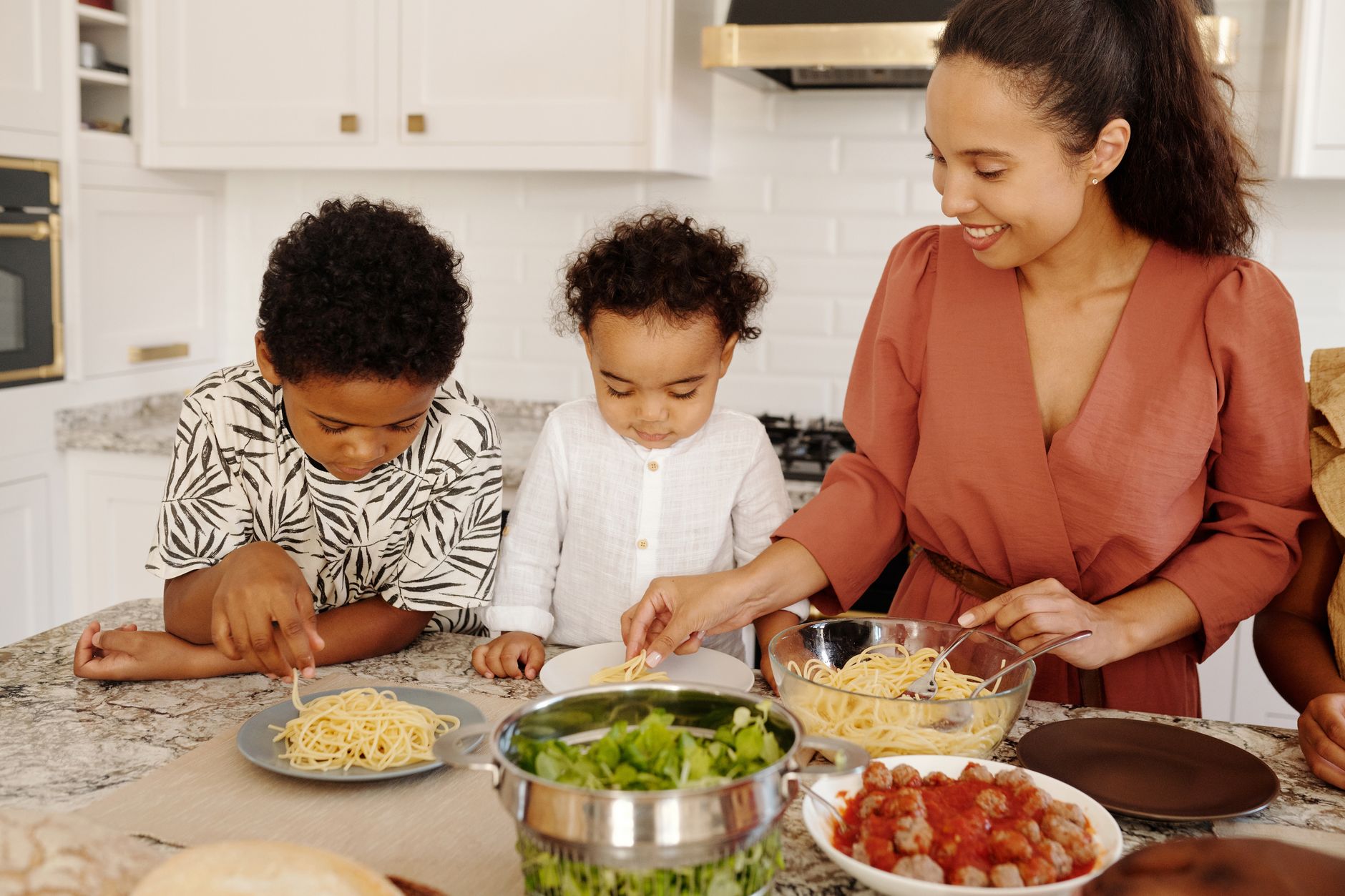
A kids cooking class at Cáo Experiences runs 2–3 hours depending on age and what we're cooking. Sessions include a welcome, learning basic knife and heat skills, preparing 2–4 simple Vietnamese dishes (fresh spring rolls, stir-fries, noodles, or soup), and eating together at the end. We work in a family kitchen, not a commercial setup. The class is hands-on: kids chop, mix, taste, and cook—they're not watching. We adapt for dietary needs, allergies, left-handedness, and shorter attention spans. Five-year-olds might do a shorter 90-minute session with pre-prepped ingredients; teens can handle a full 3-hour class with more complex techniques. No prior cooking experience needed. Ask us for dates and a quote on WhatsApp—we run small groups and private sessions in Hanoi, Saigon, Hoi An, and Da Nang year-round.
A hands-on kids cooking class at Cáo Experiences runs 2–3 hours depending on age and what we're cooking. Sessions include a welcome, learning basic knife and heat skills, preparing 2–4 simple Vietnamese dishes (fresh spring rolls, stir-fries, noodles, or soup), and eating together at the end. We work in a family kitchen, not a commercial setup. The class is hands-on: kids chop, mix, taste, and cook—they're not watching. We adapt for dietary needs, allergies, left-handedness, and shorter attention spans. Five-year-olds might do a shorter 90-minute session with pre-prepped ingredients; teens can handle a full 3-hour class with more complex techniques. No prior cooking experience needed. Ask us for dates and a quote on WhatsApp—we run small groups and private sessions in Hanoi, Saigon, Hoi An, and Da Nang year-round.
How long is a typical session, and what's included?
Most kids cooking classes run 2–3 hours. A 2-hour session works best for ages 5–8; a 3-hour class suits ages 9 and up and mixed families. Here's what happens: we start with introductions and a quick kitchen safety talk (10 minutes), then move straight to prep and cooking (60–100 minutes), and finish with eating together and cleanup (20–30 minutes). Kids who cook 2–3 dishes usually walk out with a real sense of achievement—they've made food from scratch, not decorated a kit.

Why do session lengths vary by age?
Younger kids tire faster and lose focus if standing for long stretches. A 5-year-old can concentrate for 60–90 minutes with breaks; a 10-year-old might want the full experience. We also adjust what they cook: younger kids prep softer vegetables and learn to stir; older kids tackle knife skills, heat control, and seasoning decisions. If your group has mixed ages (a 6-year-old and a 12-year-old), we run one session but give each child tasks that match their level—the younger one might focus on spring roll rolling while the older one learns wok technique.
What happens on a rainy day or in hot weather?
Rain doesn't stop us. Our family kitchen has a covered prep area and good ventilation. In summer (May to September), we start earlier if possible—7 or 8 a.m. instead of 10 a.m.—and keep iced water nearby. Kids are usually so focused on cooking that heat isn't as big a problem as you'd think. If a child gets too tired in the heat, we move to a shaded spot, slow the pace, or wrap up early. We've never had a session cut short by weather alone.
What should kids wear, bring, and avoid?
Have them wear closed-toe shoes (kitchens get wet) and clothes they don't mind getting splashed. An apron helps, though we can provide one. Avoid loose long sleeves—they dip into sauces and get in the way. Bring a water bottle and any medication (asthma inhalers, EpiPens) if needed. Don't feed them a huge breakfast right before: they'll want to taste lots during cooking and feel overstuffed by lunch. We provide all ingredients and tools.
How do we handle allergies, dietary needs, and picky eaters?
Before the session, tell us about allergies, vegetarian preferences, or foods a child refuses. We'll swap ingredients (use fish sauce substitute, leave out shrimp, skip peanuts) without changing the recipe or making the child feel singled out. Picky eaters sometimes surprise us—a child who "hates fish" will eat fish cakes they made. But we never force tasting. If a child isn't interested in eating what they cooked, that's fine; they've still learned the skill. We've run sessions for kids with nut allergies, vegetarians, and gluten-free diets without a hitch.

How does a group class differ from a private session?
A group class (4–6 kids) teaches social cooking: kids take turns, wait for the stove, help each other. Sessions are livelier, often cheaper per person. A private session (one family or 1–3 kids) is quieter and more personalized—we move at your pace, repeat explanations, focus on what interests them. Private sessions cost more but suit younger kids, children with sensory sensitivities, or families who want to cook a specific dish. Ask us for dates and a quote on WhatsApp—group and private availability vary by location and season.
| Session Type | Age range | How long | Best for |
|---|---|---|---|
| Group class | 6–14 | 2.5–3 hours | Siblings, school groups, social learners |
| Private session | 4 and up | 1.5–2.5 hours | Younger kids, dietary complexity, one family |
| Holiday session | 5–13 | 3–4 hours | School breaks, multiple dishes, games |
What skills do kids actually learn?
Knife safety and chopping: how to hold a knife, keep fingers safe, cut vegetables evenly. Heat and timing: when to add ingredients, how hot a pan should be, why stirring matters. Taste and seasoning: what fish sauce tastes like, why lime balances richness, how to adjust salt. Food knowledge: Vietnamese ingredients (mint, coriander, fish cake), how dishes come together. Confidence: they made something delicious and fed themselves.
What if a child gets scared of the stove or knife?
It happens—maybe once a session. We slow down, let them watch first, then hand them a blunt butter knife or let them stir with a wooden spoon instead of chopping. If they're genuinely frightened, we never force it. A child can learn plenty by prepping ingredients, rolling, mixing, and tasting. Most kids who were nervous at the start want to go near the stove by the end because they see older kids doing it safely.
How does session length differ across Vietnam's regions?
Sessions in Hanoi and Saigon run the same way—2–3 hours. But logistics differ: a family kitchen in Hanoi's old quarter is a 10-minute scooter ride from central hotels; one in Saigon's District 1 is similarly close. Sessions in Hoi An or Da Nang might include a short walk to source fresh herbs at a local morning market, so plan an extra 30 minutes. Da Lat's cooler climate means kids stay fresher during longer sessions. We adapt experiences for each location and season.
What to check before you book
- Age and skill: Tell us your kids' ages, if anyone has cooked before, and any fears or allergies.
- Language: Classes run in English. Kids who speak Vietnamese or French can learn bilingual ingredient names.
- Timing: Check school holidays and your hotel's location. A kitchen in a lane off the old quarter is quiet but needs a short ride.
- Group or private: Decide if your child learns better with other kids or one-on-one.
- Follow-up: We send a simple recipe card so you can recreate dishes at home.
See how a session runs
Children thrive on hands-on family experiences where they feel ownership. A cooking class teaches real skills, not just theory. Kids leave excited to cook again—at home, at school, with grandparents. If you're in Vietnam with children and want something genuine and unhurried, a Vietnamese cooking class fits exactly what traveling families look for.
Other experiences kids love include flower arranging workshops, farm and countryside days, and art and culture classes where hands-on learning is the whole point.
FAQ
What's the youngest age for a cooking class?
We've run sessions for kids as young as 4, though 5–6 is more comfortable. Younger kids get shorter sessions (90 minutes) with simpler tasks like stirring, rolling spring rolls, and arranging plates. By age 6, most children can handle a knife with supervision and focus for 2+ hours.
Will kids actually eat what they cook, or just play around?
Many do eat enthusiastically—they're proud. Some kids who "don't like" a vegetable will taste it because they made it. We never pressure eating. The cooking skill and confidence matter more than the meal itself. Parents often say their child is more adventurous with food afterward.
Can we do a cooking class if someone has a severe nut allergy?
Yes. We work with all dietary restrictions, allergies, and preferences. Tell us beforehand; we swap ingredients and source nut-free alternatives. Vietnamese food can easily accommodate allergies without losing flavor or feeling like a compromise.
How much cleanup do kids do, and how much do we?
Kids help wash bowls and wipe surfaces as part of the experience. It's not restaurant-level cleanup—we're teaching, not running a kitchen. You're not responsible for deep cleaning; we handle that after you leave.
Can we request a specific dish or cuisine style?
Yes, if you mention it when you ask for dates. We can focus on vegetarian dishes, seafood, street food-style cooking, or regional Vietnamese specialties. Customization is part of private sessions especially.
What if a child feels too shy or overwhelmed during the session?
We've seen shy kids warm up within 20 minutes once they're holding a knife or stirring. If a child stays quiet, that's okay—they're learning by watching and doing. We keep the atmosphere low-pressure. In rare cases where a child is truly distressed, we pivot: they can observe, help with non-knife tasks, or take a break. No child has ever asked to leave early.
Ask about dates
Tell us the city, your dates and what you would like to try. We reply on WhatsApp in English with options and availability.
FAQ
What's the youngest age for a cooking class?
We've run sessions for kids as young as 4, though 5–6 is more comfortable. Younger kids get shorter sessions (90 minutes) with simpler tasks like stirring, rolling spring rolls, and arranging plates. By age 6, most children can handle a knife with supervision and focus for 2+ hours.
Will kids actually eat what they cook, or just play around?
Many do eat enthusiastically—they're proud. Some kids who "don't like" a vegetable will taste it because they made it. We never pressure eating. The cooking skill and confidence matter more than the meal itself. Parents often say their child is more adventurous with food afterward.
Can we do a cooking class if someone has a severe nut allergy?
Yes. We work with all dietary restrictions, allergies, and preferences. Tell us beforehand; we swap ingredients and source nut-free alternatives. Vietnamese food can easily accommodate allergies without losing flavor or feeling like a compromise.
How much cleanup do kids do, and how much do we?
Kids help wash bowls and wipe surfaces as part of the experience. It's not restaurant-level cleanup—we're teaching, not running a kitchen. You're not responsible for deep cleaning; we handle that after you leave.
Can we request a specific dish or cuisine style?
Yes, if you mention it when you ask for dates. We can focus on vegetarian dishes, seafood, street food-style cooking, or regional Vietnamese specialties. Customization is part of private sessions especially.
What if a child feels too shy or overwhelmed during the session?
We've seen shy kids warm up within 20 minutes once they're holding a knife or stirring. If a child stays quiet, that's okay—they're learning by watching and doing. We keep the atmosphere low-pressure. In rare cases where a child is truly distressed, we pivot: they can observe, help with non-knife tasks, or take a break. No child has ever asked to leave early.
More like this
Experiences for families and kids
Family workshop Vietnam vs Thailand: where to take kids in 2026
Vietnam and Thailand both offer immersive family workshops, but the pace, cost structure, and focus differ significantly. We run both types of sessions at Cáo Experiences and can help you choose.
Experiences for families and kids
Family Workshop Vietnam Gift Voucher: What Works Best
A family workshop gift voucher in Vietnam lets relatives experience cooking, craft, horse riding or tea together—no tickets, no queues, real hands-on time. We help you pick the right session type and duration for the ages and interests in your group.
Experiences for families and kids
Family workshops in Vietnam for Indian travelers: what to expect
Indian families visiting Vietnam often wonder how to keep children engaged and learn something authentic together. Cáo Experiences runs small-group and private workshops—cooking, coffee, flower arranging, craft, and farm days—designed for kids, parents, and grandparents, hosted in English with real