
Home › Blog › Experiences for families and kids
Kids Cooking Class in Vietnam in December: What to Expect
By the Cáo Experiences team · 2026-11-06
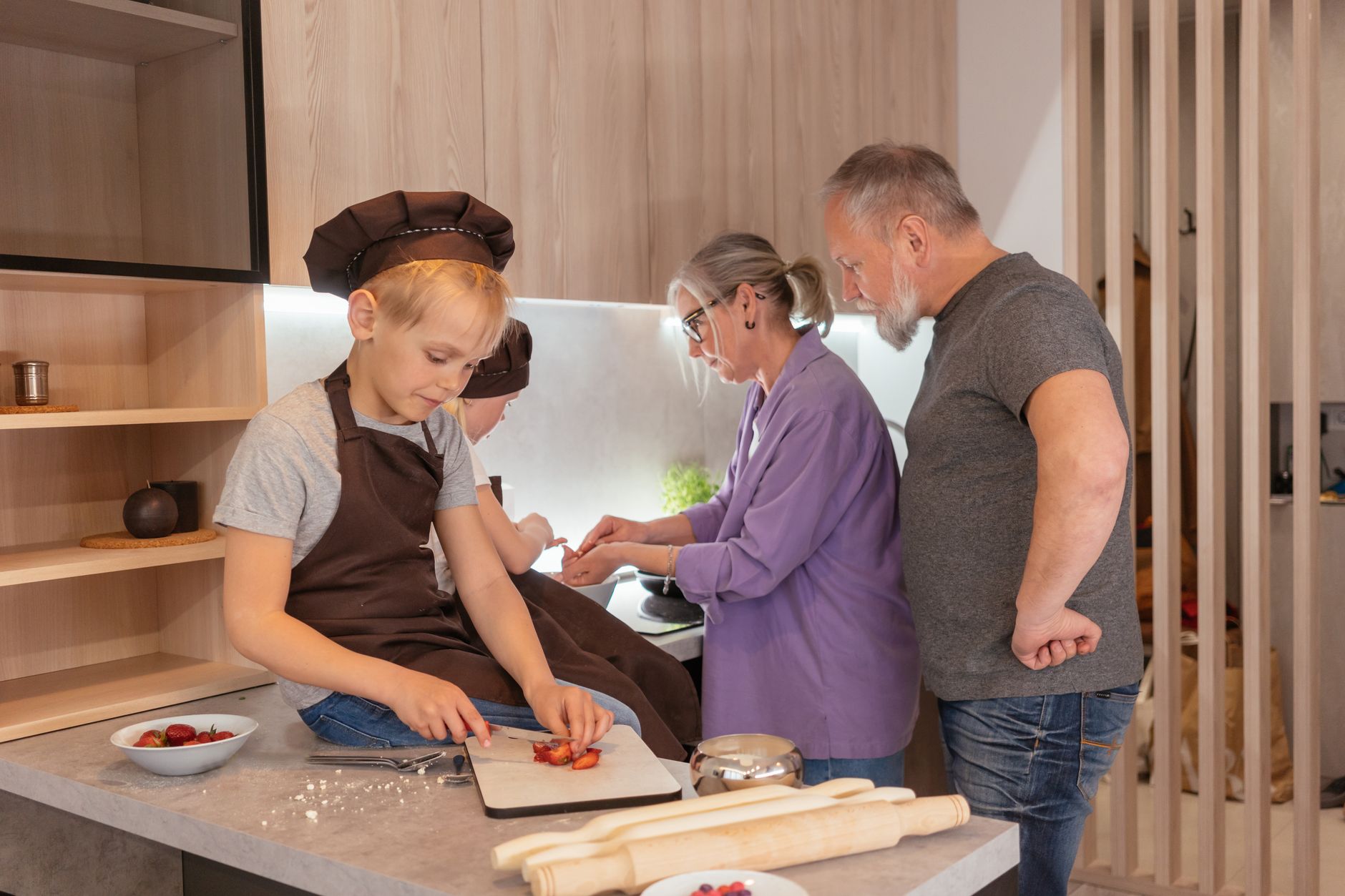
Kids cooking classes through Cáo Experiences run 2–3 hours in home kitchens, outdoor garden spaces, or purpose-built teaching kitchens in Hanoi, Saigon, Hoi An, and Da Lat. Children aged 4 and up participate hands-on: they wash herbs, pound pastes, roll spring rolls, and stir soups under gentle guidance. Classes include ingredient sourcing (sometimes a quick market walk), prep, cooking, and eating together. December is ideal—cool weather, no rain, and families have school breaks. We adapt for dietary needs (allergies, vegetarian, spice levels) before you arrive. Groups stay small (4–8 kids plus caregivers) so every child gets attention. Cost varies by location, group size, and whether we include market time; ask us for dates and a quote on WhatsApp. Beginners worry about knife safety and mess—we use child-safe knives, assign a host to each young cook, and expect spills. What trips families up: not mentioning allergies early, or expecting kids to sit still if they're not cooking actively. Ask about dates on WhatsApp
What actually happens in a December kids cooking class?
We arrive 15 minutes early to set up. Kids wash hands, meet the host in the kitchen, and we show them the day's menu on a big printed card with photos. December groups are usually mixed ages, so we pair each younger child (4–7) with a slightly older sibling or friend, or assign a host to stay close. The first 20 minutes is calm: sniffing spices, touching fresh herbs, learning names in Vietnamese and English. Then hands-on prep starts—rinsing mint, pulling basil leaves, crushing garlic with a mortar and pestle (kids love this). By month 3 of our season, we've learned which kids go fast and which need more time, so we're never rushing.
Cooking happens next: rolling spring rolls into rice paper, stirring a pot of fish sauce-based broth on low heat, or beating eggs for an omelette. Some kids ask a hundred questions. Others go quiet and focused. We never force participation—a 5-year-old watching intently is learning just as much as one stirring. December weather means no kitchen is sweltering, so concentration is easier. After 90 minutes, the food is ready. We sit together, eat, and kids often try dishes they'd refused at home because they made them. That's the real win.

Is December actually a good time for kids cooking in Vietnam?
Yes—December has three practical advantages for families. Temperatures drop to 16–22°C in Hanoi and Hoi An, cool enough for a kitchen class without heat exhaustion or excessive sweating on food-prep surfaces. School holidays align in many countries mid-to-late December, so families can book multi-day trips. Rain is rare (the dry season runs November–April), so transport is reliable and classes rarely cancel or reschedule. In Saigon, December is warm but dry; in Da Lat, it's crisp and pleasant. The only drawback: our December calendar fills early because families worldwide recognize this window. Book 3–4 weeks ahead if you have specific dates in mind.
Which age groups work best in our cooking classes?
Age 4–6: Sensory explorers. They chop soft herbs with butter knives, mix ingredients in bowls, and stir slowly with supervision. They tire faster, so 90-minute classes suit them. Some cry or lose focus after 45 minutes—we have quiet corners and shorter tasks ready.
Age 7–10: Independent beginners. They handle real knives (under watch), understand instructions the first time, and finish tasks with minimal help. They ask "why" about ingredients and cooking methods. Our standard 2–3 hour class fits perfectly.
Age 11+: Confident cooks. They can tackle fiddly work (mincing, peeling, julienning) and follow multi-step recipes. They enjoy learning cultural context and regional variations. Some compete with siblings over who cooks fastest; we channel that energy positively.
Mixed-age groups work well because older kids model behavior and help younger ones, building confidence. A 9-year-old teaching a 5-year-old how to roll a spring roll? That's the moment families remember for years.
What do we do if a child has allergies or refuses certain foods?
Tell us before booking. We ask via WhatsApp: allergies, vegetarian/vegan preferences, texture dislikes, spice tolerance. We then redesign the menu. If peanut allergy, we swap dishes entirely. If vegetarian, we skip fish sauce-based recipes and use mushroom or soy-based broths instead. If a child hates cilantro, we leave it off their plate or teach them to pick it out themselves. We're not rigid about "authenticity"—we're teaching joy in cooking and eating together.
What catches families off-guard: a child who says "I don't eat vegetables" often will eat vegetables they've grown or cooked themselves. We've seen 6-year-olds who refuse tomato sauce at home eagerly taste tomato soup they stirred. That shift happens when kids own the process. We never force a taste, but we do invite: "You made this—want to try one tiny spoonful?" Surprisingly often, they do.
How do we keep kids safe with knives and hot surfaces?
All our teaching kitchens stock child-safe knives (blunt edges, short handles, lightweight) for ages 4–8. Kids 9+ can use proper cook's knives if they've handled kitchen tools before; if not, we start with the safe knives too. A host stands arm's-length away while cutting happens. We teach a grip: fingers curled in a claw, knuckles forward—and demo it first with our own hands, slowly.
Hot surfaces: we keep kids 2–3 feet from the stove. A host holds the pot steady while a child stirs. We use wooden spoons and heat-proof gloves if a child wants to grip the pot edge. December's cool kitchens mean fewer accidental burns—we're not working in 35°C heat where sweat makes hands slip. In over 100 December classes, we've had zero knife injuries and zero burns. Why? We don't multitask—when a child is near heat, a host is 100% focused on that child. No checking phones, no chatting with other guests. Some families find this intensity surprising; we see it as non-negotiable.
What should kids wear and bring to a December cooking class?
Wear: Clothes they can get dirty. December kitchens aren't hot, so a long-sleeved shirt or jumper works fine (sleeves don't catch on burners as easily). Closed-toe shoes or solid sandals—no flip-flops near hot stove. Hair tied back if shoulder-length or longer. An apron is nice but not essential; we have child-sized aprons available.
Bring: An open mind and a notebook if they're 8+. Some kids like jotting down ingredient names or sketching the plating. A water bottle. Nothing else. We provide all kitchen tools, ingredients, and edible take-home portions in a container if the class allows.
What not to do: Don't arrive hungry or tired. A 5-year-old who hasn't eaten breakfast will melt down by minute 40. Don't dress them in brand-new white clothes they'll never forgive you for staining. Don't expect them to sit in a high chair or be entertained passively—this class is active participation. Don't arrive late; we start at the time we've confirmed via WhatsApp, and latecomers miss the herb introduction and context-setting, which throws their whole experience off.
Comparison: December Cooking Class vs. Other Family Activities in Vietnam
| Activity | Duration | Age range | Hands-on level | December suitability | Best for |
|---|---|---|---|---|---|
| Cooking class | 2–3 hours | 4+ | Very high (kid leads) | Excellent—cool, dry | Food-loving families |
| Street food tour | 3–4 hours | 6+ | Medium (walking, tasting) | Good—mild weather, tastes | Adventurous eaters |
| Flower arranging | 2 hours | 5+ | High (hands-on) | Good—flowers fresh in cool months | Quiet, patient kids |
| Market + craft combo | 3–4 hours | 7+ | Medium-high | Excellent—less crowded in December | Active learners |
| Horse riding | 1.5–2 hours | 5+ (with rider) | High (in saddle) | Excellent—temperatures ideal | Outdoor-adventurous kids |
| Museum visit | 1–2 hours | 5+ | Low (observing) | Fair—air-conditioned, fine | Quiet, reflective kids |
Cooking classes win for December families because they're indoors (no weather risk), skill-building (kids leave with a real ability), and memorable (eating your own food is powerful). They suit mixed-age families better than activities requiring uniform heights or fitness levels.
What locations run kids cooking classes in December?
Hanoi: Classes in family kitchens in the old quarter, on quiet lanes near Hoan Kiem Lake. Close to markets, easy to add a morning walk. Hanoi classes lean toward northern Vietnamese dishes—pho bases, spring rolls, simple vegetable stir-fries.
Saigon (Ho Chi Minh City): Kitchen studios in District 1, District 3 near local markets. Saigon classes include more southern flavors—caramel pork, coconut-based curries, banana-flower salads. Warmer than Hanoi in December, but still pleasant.
Hoi An: Classes in restored town houses within the ancient town, or garden spaces just outside. Kids walk the market on the Thu Bon River before class sometimes. Hoi An menus feature local specialties: cao lau, white rose dumplings, fish cakes.
Da Lat: Cooler highland town, pine-forest air. Classes often pair with local farm visits. Kids cook with seasonal vegetables (artichokes, strawberries, asparagus in December). Slowest pace of all locations because weather is calmest.
See our family experiences page for location-specific details and our contact form to ask which city suits your dates best.
How do we adapt if rain happens or a child gets overwhelmed?
Rain: December rain in Vietnam is rare, but we plan for it. If a light drizzle starts, we move from a garden kitchen to an indoor space (every booking has a backup). If heavy rain cancels transport, we reschedule—no penalty. Families only pay on the date we actually run the class (ask us for dates and a quote on WhatsApp to clarify our terms).
Overwhelm: A child sometimes cries, gets overstimulated, or refuses to participate. This happens about once per 10 classes. We pause immediately. A host sits with them quietly, offers water, and lets them watch for 10 minutes. About half return to cooking; half prefer observing. Both are fine. We never label it as failure. Some of our most engaged families had a child who watched the whole class the first time, then returned months later for a second class and cooked confidently.
Before you book: a quick checklist
- [ ] All kids' dietary needs, allergies, vegetarian status noted before booking.
- [ ] Everyone knows the class is hands-on (kids actively cook, not observe passively).
- [ ] Outfits are stain-proof and shoes are closed-toe.
- [ ] Plan arrival 10 minutes early; transport time from your hotel estimated with a 15-minute buffer.
- [ ] Bring a water bottle; skip arrival on an empty stomach or after a long travel day.
- [ ] Ask us via WhatsApp whether the class includes a market walk (it varies by location and time available).
- [ ] Confirm take-home portions in advance (some families expect a whole dish; we typically send them home with small tasting portions they cooked plus a printed recipe card).
- [ ] If kids are very young (4–5), mention it so we choose extra-soft ingredients and shorter tasks.
Related experiences that pair well with cooking classes
Families often add a street food tour before or after a cooking class to see where ingredients come from and taste regional street specialties. Some combine cooking with farm experiences in Da Lat to harvest vegetables before cooking them the same day. Older kids (10+) sometimes join a Vietnamese coffee workshop after a cooking session, turning a half-day into a full cultural immersion.

FAQ
Can very young kids (3–4 years old) join a cooking class?
Ages 3–4 can attend if they stay with a parent or caregiver the whole time. They'll do sensory activities—touching herbs, stirring soft mixtures—but won't cook independently. The class won't be as engaging for them as for older kids, so we usually suggest waiting until age 5 when focus spans improve.
What if my child is a picky eater and refuses most Asian food?
Tell us beforehand. We design a menu around foods they'll actually eat: egg dishes, mild vegetable stir-fries, noodle soups without strong broths. The goal is confidence in cooking, not forcing tastes. Many picky eaters become more adventurous when they cook, but we don't promise it.
Do parents stay in the kitchen or wait outside?
Parents stay in the kitchen—it's a family class. You can chop alongside your child, help with heavy lifting, or stand back and let them lead. Most families find watching their child's focus and pride is the best part of the experience.
Is the class in English? My kids don't speak Vietnamese.
Yes, entirely in English. We're fluent and explain techniques, ingredient names, and cultural context in English. Kids pick up a few Vietnamese food words naturally (like "calamansi" or "basil"), but no pressure to speak Vietnamese.
Do kids really eat the food they cook, or is it just a novelty?
Yes, they eat it. The meal is part of the class. Kids who normally refuse mushrooms or tofu at home often eat generous portions because they made it. This shift amazes families repeatedly—it's the unexpected reward of the experience.
Ask about dates
Tell us the city, your dates and what you would like to try. We reply on WhatsApp in English with options and availability.
FAQ
Can very young kids (3–4 years old) join a cooking class?
Ages 3–4 can attend if they stay with a parent or caregiver the whole time. They'll do sensory activities—touching herbs, stirring soft mixtures—but won't cook independently. The class won't be as engaging for them as for older kids, so we usually suggest waiting until age 5 when focus spans improve.
What if my child is a picky eater and refuses most Asian food?
Tell us beforehand. We design a menu around foods they'll actually eat: egg dishes, mild vegetable stir-fries, noodle soups without strong broths. The goal is confidence in cooking, not forcing tastes. Many picky eaters become more adventurous when they cook, but we don't promise it.
Do parents stay in the kitchen or wait outside?
Parents stay in the kitchen—it's a family class. You can chop alongside your child, help with heavy lifting, or stand back and let them lead. Most families find watching their child's focus and pride is the best part of the experience.
Is the class in English? My kids don't speak Vietnamese.
Yes, entirely in English. We're fluent and explain techniques, ingredient names, and cultural context in English. Kids pick up a few Vietnamese food words naturally (like "calamansi" or "basil"), but no pressure to speak Vietnamese.
Do kids really eat the food they cook, or is it just a novelty?
Yes, they eat it. The meal is part of the class. Kids who normally refuse mushrooms or tofu at home often eat generous portions because they made it. This shift amazes families repeatedly—it's the unexpected reward of the experience.
More like this
Experiences for families and kids
Family workshop Vietnam vs Thailand: where to take kids in 2026
Vietnam and Thailand both offer immersive family workshops, but the pace, cost structure, and focus differ significantly. We run both types of sessions at Cáo Experiences and can help you choose.
Experiences for families and kids
Family Workshop Vietnam Gift Voucher: What Works Best
A family workshop gift voucher in Vietnam lets relatives experience cooking, craft, horse riding or tea together—no tickets, no queues, real hands-on time. We help you pick the right session type and duration for the ages and interests in your group.
Experiences for families and kids
Family workshops in Vietnam for Indian travelers: what to expect
Indian families visiting Vietnam often wonder how to keep children engaged and learn something authentic together. Cáo Experiences runs small-group and private workshops—cooking, coffee, flower arranging, craft, and farm days—designed for kids, parents, and grandparents, hosted in English with real