
Home › Blog › Experiences for families and kids
Kids Cooking Class in Vietnam: What Parents Should Know
By the Cáo Experiences team · 2026-11-06
A kids cooking class in Vietnam is a supervised, small-group session where children (usually 4–16 years) learn to prepare authentic Vietnamese dishes in a family kitchen or teaching space. Classes run 2–3 hours, include market time or kitchen prep, and end with eating what they've cooked. At Cáo Experiences, we teach in English with WhatsApp coordination; groups are typically 2–8 kids plus parents or guardians. We adapt recipes, utensils, and pace for age (toddlers observe, older kids chop and season); we skip or swap ingredients for allergies and dietary choices without losing authenticity. No prior skill needed. Cost varies by location, group size, and whether the session includes a market walk; ask us for a specific quote on WhatsApp. Most reviews mention kids gaining confidence, trying vegetables they normally refuse, and parents enjoying the cultural insight. Common worries—knives, heat, mess—are managed through our setup, close supervision, and real talk before booking. Ask about dates on WhatsApp
What Are Parents Really Saying About Kids Cooking in Vietnam?
Most parents report their children try new foods without complaint once they've cooked it themselves. We hear that kids aged 6–12 remember specific techniques for months afterward and ask to cook at home using what they learned. Parents note the class builds independence and cultural curiosity faster than a tour alone. Honest feedback: some younger children (under 6) find standing and waiting harder than cooking, and a few get frustrated if a dish doesn't look "perfect"—we frame these as learning moments, not failures. One concern that surfaces is whether the kitchen is clean and safe; we operate in inspected, family-run or purpose-fitted spaces, not catering kitchens, and we follow strict hygiene. No class has a one-size-fits-all vibe; we discuss your child's temperament and food preferences in advance via WhatsApp so we're not surprised on the day.
How Does a Session Actually Run, Hour by Hour?
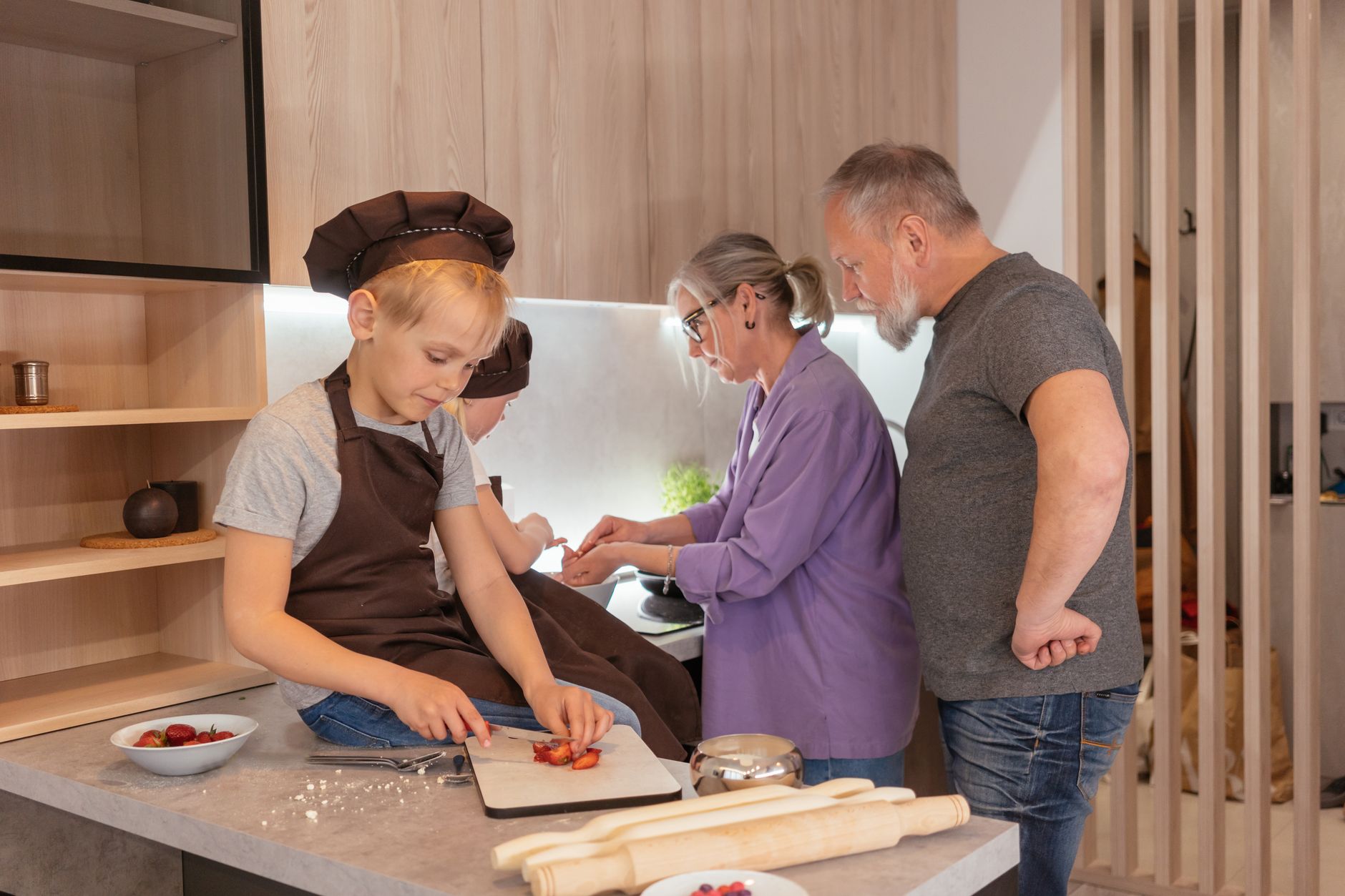
A typical class unfolds like this: arrival and a brief kitchen safety chat (5 min); prep of workspace and ingredients if not at a market (10 min); sometimes a short walk to a neighborhood market to select fresh herbs and vegetables while we explain how locals shop (20–30 min, optional); return to the kitchen and hands-on cooking—kids wash produce, tear herbs, watch you dice (under guidance) or do it themselves depending on age, add ingredients to pots, taste and adjust seasoning (60–90 min); eating together, tasting what they made, and a quick cleanup (20 min). We serve the finished dish hot, often with rice and a simple soup or salad, so kids eat a proper meal they've built. Younger children (4–6) often do softer tasks—tearing greens, stirring, sprinkling—while older kids tackle knives and heat with one of us at their elbow. The pace shifts based on group mood; if kids are tired or hungry, we eat earlier. Rain doesn't cancel; we work in a covered kitchen or move to a different recipe that doesn't need a market trip.
Should You Worry About Allergies, Vegetarian Diets, or Picky Eaters?
Tell us about dietary needs or strong aversions before you book—don't surprise us on the day. We've adapted classes for nut-free, shellfish-free, vegetarian, vegan, and gluten-free kids hundreds of times. If your child hates coriander or won't eat fish, we swap the herbs or choose a tofu or chicken dish instead; the technique and flavors remain authentic. For severe allergies (peanut, tree nut, shellfish), we confirm our ingredients list and prep surface safety in advance. Picky eaters often surprise themselves once they're involved in cooking; we never force tasting, but most kids are curious about their own creation. We also work around texture preferences—if a child dislikes chewy or slimy foods, we adjust the cut, cooking time, or dish choice. One honest note: if your child refuses to touch raw vegetables or watch cooking happen, a class isn't the right fit; a farm and countryside experience or art and culture class might suit them better.
What Should Kids Wear and Bring, and What Goes Wrong Most Often?
Wear: comfortable clothes (not your best white shirt—splashes of turmeric or fish sauce happen); closed-toe shoes; hair tied back if it's long. Bring: nothing is required; we provide aprons, all tools, and ingredients. What actually goes wrong: kids underestimate how hungry they get by mid-session, so snacks are good if you're bringing very young children; a child's mood drops fast on an empty stomach. Heat is the second surprise—even a child confident with a grown-up's stove at home can be intimidated by a larger family kitchen fire or wok; we manage this by being close and letting them observe first. Mess is bigger than expected; hot oil splatters, soy sauce spills, garlic gets everywhere. We handle cleanup, but if a child is anxious about stains or chaos, a flower arranging workshop or craft workshop keeps things neater. One more: some kids expect to take food home; we eat it fresh on the spot because Vietnamese food tastes best immediately, and because portion sizes are generous for a group meal, not individual lunchboxes.
How Do We Choose the Right Class for Your Child's Age?
| Age | What they do | Why it works | Honest notes |
|---|---|---|---|
| 4–6 | Tear herbs, stir, sprinkle salt, watch closely | Short attention span suits quick tasks; success is tasting | May need breaks; not safe with sharp knives yet |
| 7–10 | Slice soft veg with supervision, add sauce, taste and adjust | Old enough to follow steps; gains real knife confidence | Can get frustrated if a step takes longer than expected |
| 11–14 | Handle a small knife or cleaver with guidance, control heat, decide flavors | Wants to feel "real" cooking; builds independence fast | May lose interest if the group is much younger |
| 15–16 | Lead a dish, teach younger kids, manage timing | Sees cooking as a skill, not a game; peer confidence high | Works best in mixed-age or teen-only groups |
Toddlers (under 4) can join a family session but typically observe or do very light tasks; they're welcome, but the class isn't designed around them. Teens prefer mixed-age groups or teen-only sessions, depending on the vibe; ask us which we have lined up. We've never had an upper age limit for older children or adult learners in the same session.

Where in Vietnam Can You Book a Kids Class, and What's Different Between Locations?
We run kids cooking classes in Hanoi in family kitchens in quiet lanes off the old quarter, where you see neighborhood life and have easy access to fresh markets. Classes here are intimate—4–6 kids typical—and the kitchen feels like someone's home, which kids remember as special. In Hoi An, classes happen in a heritage building with more space, and we often add a short walk through the old town's lantern-lit streets before or after; kids love the setting. Ho Chi Minh City classes are in teaching kitchens in quieter districts, less crowded than Hanoi, good for groups who want fewer distractions. Da Nang and Da Lat are smaller, slower paces; classes there feel less rushed. Each location has different seasonal produce, so menus shift. Hanoi classes emphasize northern flavors (more herbs, lighter broth); Hoi An leans on seafood and cao lầu; Saigon kids experience southern sweetness and heat. No location is "best"—pick based on where you're staying or what cuisine your child is curious about.
What About Combining a Kids Class With Other Experiences?
A cooking class pairs naturally with a street food and market tour beforehand—kids taste street snacks, meet vendors, and then cook similar dishes in the kitchen. They often say "I tried this from the lady with the cart, and now I made it!" Some families book a class in the morning and a farm and countryside experience on another day, so kids learn where ingredients grow and then prepare them. A tea experience works well after cooking for older kids (10+) who are curious about Vietnamese beverages and want to sit quietly. We've also seen families combine a class with group and corporate experiences if there are cousins or extended family involved—the group rate and custom menu make it memorable. Family experiences like ours are designed to layer together; pick what resonates with your kid's interests, not just what sounds trendy.
See how a session runs
What Should You Check Before You Book a Kids Class?
Age suitability: Is the class designed for your child's age, or can the host adapt? Ask, don't assume.
Group size: Will your child be one of two kids or ten? Smaller groups allow more one-on-one instruction; larger groups are louder and more social. Ask what's booked.
Language: Do they teach in English with translation, or full English? Check your comfort level.
Dietary & allergy handling: Confirm the host has discussed your child's needs and has a plan—not a guess.
Cancellation & rain policy: What happens if weather turns bad or your child gets sick? Get it in writing via WhatsApp.
What happens to the food: Will your child eat it fresh, or take it home? Hot, fresh-cooked meals taste better and are safer than cooled and reheated.
Supervision ratio: How many hosts per kid? Typically 1 adult per 4–6 kids is safe for ages 7+; younger kids need closer attention.
Kitchen setup: Is it a home kitchen (cozy, real) or a teaching space (cleaner, more controlled)? Both work; know which you're getting.
Ask us these questions via WhatsApp before committing; we'll answer honestly.
Why Do Parents Choose Cáo Experiences Over Other Providers?
We're hosts first, not tour operators. We design classes around the way we actually cook at home, in real kitchens with real fire, not staged "experience kitchens." You get WhatsApp coordination before and during, so we know your child's name, nervousness, and food story before you arrive. We don't oversell class size or promise outcomes; we're clear about what might go wrong and how we'll adapt. We've embedded in Vietnam long enough to know which dishes are authentic and which are tourist-bait, and we're honest when a child's aversion means a different class would suit them better. No scripts, no upsell, no Instagram-only aesthetics—just real cooking, real feedback, and kids who leave curious about food and confident in a kitchen. Read more stories from our hosts.

FAQ
What if my child refuses to eat spicy food?
Most Vietnamese dishes can be made mild or sharp to taste; we adjust chili, fish sauce, and pepper based on preference. Kids often accept spice better when they've cooked it because they control the heat themselves. We always taste and adjust before serving, so no surprises.
Can a parent cook alongside their child, or are we sidelined?
You're welcome to cook with your child or watch and assist. Some parents prefer to step back and let the child lead; others work side-by-side. We adapt to your preference; just tell us in advance so we pace the class right.
How do I know if my shy or anxious child will feel safe in a group class?
Tell us about your child's temperament when you contact us. We often pair shy kids with quieter groupmates or offer a private session if budget allows. Smaller groups (2–3 kids) reduce anxiety fast, and we position ourselves close to support.
Do kids get to take recipes home, and can they recreate dishes in their home kitchen?
Yes, we give simple written or photo-based recipes. Recreating at home is often harder because kitchens and heat sources vary, but kids remember the steps and can ask parents for help. We're happy to clarify techniques via WhatsApp after the class.
What if the class is rained out or my child gets sick on the day?
We reschedule if rain makes outdoor market access impossible or if your child is unwell. Details are in our WhatsApp chat before booking. Indoor classes continue rain or shine; only market trips move indoors or shift to another day.
Are there any safety incidents or burns we should worry about?
Cuts and minor burns are possible in any kitchen; they're rare in our classes because we supervise closely and teach knife and heat safety before starting. Older kids (10+) handle knives with one of us watching; younger kids do softer prep. We use cool handles and keep first aid on hand. No child has been seriously hurt in a Cáo Experiences class, but we frame cooking as a real skill with real risks—not a game. --- Ask about dates on WhatsApp
Ask about dates
Tell us the city, your dates and what you would like to try. We reply on WhatsApp in English with options and availability.
FAQ
What if my child refuses to eat spicy food?
Most Vietnamese dishes can be made mild or sharp to taste; we adjust chili, fish sauce, and pepper based on preference. Kids often accept spice better when they've cooked it because they control the heat themselves. We always taste and adjust before serving, so no surprises.
Can a parent cook alongside their child, or are we sidelined?
You're welcome to cook with your child or watch and assist. Some parents prefer to step back and let the child lead; others work side-by-side. We adapt to your preference; just tell us in advance so we pace the class right.
How do I know if my shy or anxious child will feel safe in a group class?
Tell us about your child's temperament when you contact us. We often pair shy kids with quieter groupmates or offer a private session if budget allows. Smaller groups (2–3 kids) reduce anxiety fast, and we position ourselves close to support.
Do kids get to take recipes home, and can they recreate dishes in their home kitchen?
Yes, we give simple written or photo-based recipes. Recreating at home is often harder because kitchens and heat sources vary, but kids remember the steps and can ask parents for help. We're happy to clarify techniques via WhatsApp after the class.
What if the class is rained out or my child gets sick on the day?
We reschedule if rain makes outdoor market access impossible or if your child is unwell. Details are in our WhatsApp chat before booking. Indoor classes continue rain or shine; only market trips move indoors or shift to another day.
Are there any safety incidents or burns we should worry about?
Cuts and minor burns are possible in any kitchen; they're rare in our classes because we supervise closely and teach knife and heat safety before starting. Older kids (10+) handle knives with one of us watching; younger kids do softer prep. We use cool handles and keep first aid on hand. No child has been seriously hurt in a Cáo Experiences class, but we frame cooking as a real skill with real risks—not a game. --- [💬 Ask about dates on WhatsApp](https://wa.me/84338762340)
More like this
Experiences for families and kids
Family workshop Vietnam vs Thailand: where to take kids in 2026
Vietnam and Thailand both offer immersive family workshops, but the pace, cost structure, and focus differ significantly. We run both types of sessions at Cáo Experiences and can help you choose.
Experiences for families and kids
Family Workshop Vietnam Gift Voucher: What Works Best
A family workshop gift voucher in Vietnam lets relatives experience cooking, craft, horse riding or tea together—no tickets, no queues, real hands-on time. We help you pick the right session type and duration for the ages and interests in your group.
Experiences for families and kids
Family workshops in Vietnam for Indian travelers: what to expect
Indian families visiting Vietnam often wonder how to keep children engaged and learn something authentic together. Cáo Experiences runs small-group and private workshops—cooking, coffee, flower arranging, craft, and farm days—designed for kids, parents, and grandparents, hosted in English with real