
Home › Blog › Experiences for families and kids
Kids cooking class Vietnam vs Bali: where to take yours
By the Cáo Experiences team · 2026-11-06
Kids cooking classes in Vietnam and Bali share the same goal—teaching children to cook real food—but differ in pace, focus and cultural immersion. Vietnamese classes (especially in Hanoi and Hoi An) emphasize techniques passed down through family kitchens: hand-rolling fresh spring rolls, balancing salty-sour-sweet in simple broths, working with live herbs and markets. Bali classes tend toward a gentler, leisure pace with an emphasis on spice blending and communal eating. Vietnam runs tighter, smaller groups in intimate home kitchens; Bali often uses resort studios or open-air pavilions. Both typically run 2–4 hours for kids aged 5 and up, though attention spans and ingredient risk (raw fish, chopping safety) vary. Cáo Experiences hosts Vietnamese cooking class sessions that adapt for children: we slow down, shorten knife work, skip the hottest chillies, and let younger kids stick to rolling and stirring while older ones learn proper technique. Budget and travel context matter most: Vietnam suits families wanting deep cultural embedding; Bali suits those prioritizing comfort and leisure. Ask about dates on WhatsApp
What happens in a Vietnam kids cooking class?
We meet at a family kitchen in a quiet lane—not a commercial studio. For kids aged 6–12, we start with the market: walking through a neighborhood market in Hanoi or Hoi An, touching herbs, learning why Vietnamese cooks pick certain batches of mint over others. Back in the kitchen, kids work in pairs with an adult guide. We teach spring roll folding first (low risk, high engagement), then a simple soup or stir-fry where older kids handle the wok under close watch, younger ones prep ingredients on a cutting board. We taste as we go. The whole session takes 2.5–3 hours; we finish by eating lunch together at the family table. Kids leave knowing why Vietnamese food tastes the way it does, not just how to follow a recipe.

What happens in a Bali kids cooking class?
Bali classes typically happen in a resort kitchen or open-air studio with more space and looser structure. Kids usually start with a spice-blending demo—learning to grind turmeric, garlic and galangal by hand in a mortar. Then they assemble or cook one or two dishes (often a satay sauce, a curry paste, or a simple rice cake). Classes feel less pressured about technique; the emphasis is on fun and taste-testing. Sessions run 2–3 hours and often include a meal. The environment is more "leisure holiday" than "cultural kitchen." Both approaches work for different family travel styles, but the teaching depth and cultural embedding differ markedly.
How old should a child be to join?
We take kids from age 5 onwards, but readiness depends on focus and knife comfort, not birthday. A confident 5-year-old can spend 2.5 hours rolling, tasting and watching; a restless 8-year-old might find it long. On our family experiences page, we ask your child's age and personality when you book. For kids under 6, we recommend shorter 90-minute market-and-tasting sessions instead of full cooking. For kids 10 and up, we teach proper knife technique—dicing garlic, slicing herbs—and let them handle the wok if they're steady. We adapt every session to the individual group: no fixed formula.
How do you handle allergies and picky eaters?
We ask about allergies and strong dislikes when you message us. Before the session, we swap ingredients: if a child won't eat fish sauce, we use soy sauce in the dipping bowl. If they're allergic to peanuts, we choose a different sauce altogether. We never make a child taste something they've named as off-limits. Picky eaters often surprise us mid-class: a child who "hates herbs" will taste fresh basil they've just shredded themselves and change their mind. We let that happen naturally. We've hosted kids with shellfish allergies, egg allergies, and strict vegetarian households—every session adjusts without fuss. Tell us your needs on WhatsApp before you book, and we'll confirm it works.
Is Vietnam or Bali better for kids with short attention spans?
| Factor | Vietnam | Bali | Better for short attention? |
|---|---|---|---|
| Session length | 2.5–3 hours | 2–3 hours | Roughly equal |
| Pace | Structured steps; focused | Looser; more play | Bali slightly |
| Environment | Intimate, one kitchen | Spacious studio | Bali (less confined) |
| Ingredient handling | Lots of prep work | Some blending, more demo | Bali (less standing still) |
| Sensory change | Market walk + kitchen | Kitchen + spice station | Bali (venue change midway) |
| Eating payoff | Sit together, long meal | Quick taste + leave | Vietnam (meal ritual feels special) |
Neither location is perfect for a 4-year-old; both suit 6+ with a clear, patient adult present. Vietnam feels "tighter" (more steps, longer focus) because the teaching is sequential and technique-driven. Bali feels looser because spice-blending and assembly work move faster and allow more wandering. If your child fidgets, Bali's variety of stations—grinding here, cooking there, tasting there—may hold interest longer. If your child loves ritual and process, Vietnam's "market to kitchen to table" arc is more immersive.
What should we pack or prepare before a class?
Wear clothes your child doesn't mind getting stained: turmeric and fish sauce mark fabric permanently. Bring a small notebook if your child wants to sketch the market or write down a recipe. Eat a light breakfast but not too heavy—we finish with a meal, and full-to-bursting kids lose interest. Tell us about any medical conditions: heat sensitivity, motion sickness in markets, or bathroom anxiety. On our contact page, fill in family details; we'll send you a prep checklist and confirm your child's fit before we book. Most important: set the frame beforehand. Tell your child, "We're not learning to be a chef; we're learning how a Vietnamese family cooks every day." That one sentence shifts expectation away from "performance" toward "discovery."
Do parents join the class or watch from the side?
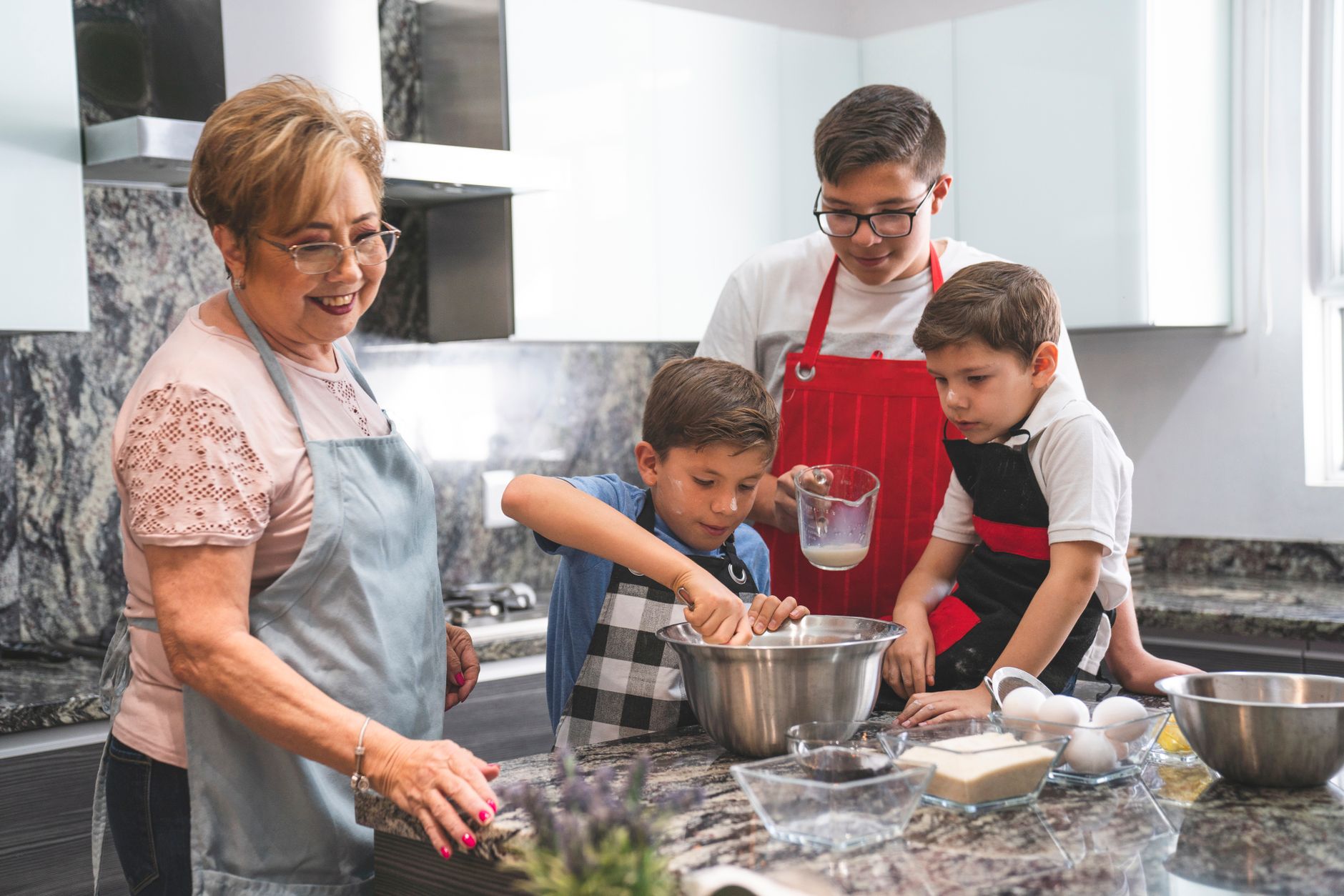
We recommend at least one parent joins the cooking; it deepens the memory and you'll cook together at home later. If you'd rather step back, we can handle your child solo (ages 7+). Younger kids do better with a parent's hand nearby—not hovering, but present. Some families do mixed: mum cooks with the child, dad takes photos and watches the market walk. Others bring two kids and one parent joins both. There's no rule. We've hosted grandparents teaching grandchildren, uncles with nieces, and solo parents taking their kids' full attention. The magic happens in the doing, not the watching. And yes, we've had parents tell us they learned more about Vietnamese cooking in that one session than they expected.
Should we book in Vietnam or Bali based on our travel timeline?
If you're in Vietnam already (Hanoi, Ho Chi Minh City, Hoi An, Da Lat, Da Nang), book here. Our destinations cover multiple cities—you don't need to hunt for a class. We coordinate entirely on WhatsApp; you book a few days ahead, and we confirm with a family kitchen and a guide. In Bali, you'll find tourist cooking schools and resort studios easily; they're well-established. Neither is "better," but Vietnam offers deeper cultural immersion in a home setting, while Bali offers polished leisure-travel convenience. If you value being in a real family's kitchen and learning why Vietnamese cooks choose certain ingredients, come to Vietnam. If you're touring multiple Southeast Asian countries and want a relaxed, drop-in activity near your resort, Bali fits that rhythm. Both work; choose by what you value: depth or ease.
What to check before you book
- Child's age and temperament. We need honesty: a 5-year-old who hates queuing will struggle in a market walk. A 9-year-old who loves watching things happen will thrive.
- Allergy list and strong dislikes. Text these before we confirm; we need time to plan ingredient swaps.
- Class language. We teach in English with a guide; your child should be comfortable with spoken English, not necessarily fluent.
- Mobility. Market walks are slow and on foot; kitchens have steps and heat. Tell us if there's a physical limitation.
- What you want them to learn. Is it technique, curiosity, family bonding, or cultural exposure? Different families prioritize differently.
See how a session runs
Pages from our team you may need

FAQ
Can my child cook the full meal or just watch?
Your child cooks the whole session. We guide their hands, slow the pace, and adapt knife work—but they roll, stir, taste and plate. Watching from the side defeats the point.
What if my child refuses to eat what they cook?
It happens. We don't force tasting; we make it normal to try a tiny piece and spit it out. Many kids taste food they've cooked themselves and surprise themselves. We've seen kids who "hate herbs" shred basil and eat it happily.
How do we get home if our child is tired after the class?
Classes end with lunch around midday or late afternoon. Your child will be tired but happy, not frantic. Plan a quiet afternoon after; a nap or a park walk works well. We finish near where we started, so taxis or your hotel transport are easy.
Do we need to know Vietnamese or be good cooks?
No. We teach in English; you're a beginner parent with a beginner child. We've hosted families who've never cooked together and left as a team. No prior skill needed.
Is the food safe for kids (raw ingredients, cleanliness)?
Yes. We use family kitchens that are clean and ingredient-safe; no street food or raw fish for kids. We're cautious about heat, sharp tools, and allergens. If you have specific health worries, tell us before booking.
Can we book a private class just for our family or do we join a group?
Ask us for dates and a quote on WhatsApp—we run both private and small-group sessions. Private classes let us tailor pace and ingredients; groups offer a fun social vibe and lower cost. We'll tell you what's available when you reach out.
Ask about dates
Tell us the city, your dates and what you would like to try. We reply on WhatsApp in English with options and availability.
FAQ
Can my child cook the full meal or just watch?
Your child cooks the whole session. We guide their hands, slow the pace, and adapt knife work—but they roll, stir, taste and plate. Watching from the side defeats the point.
What if my child refuses to eat what they cook?
It happens. We don't force tasting; we make it normal to try a tiny piece and spit it out. Many kids taste food they've cooked themselves and surprise themselves. We've seen kids who "hate herbs" shred basil and eat it happily.
How do we get home if our child is tired after the class?
Classes end with lunch around midday or late afternoon. Your child will be tired but happy, not frantic. Plan a quiet afternoon after; a nap or a park walk works well. We finish near where we started, so taxis or your hotel transport are easy.
Do we need to know Vietnamese or be good cooks?
No. We teach in English; you're a beginner parent with a beginner child. We've hosted families who've never cooked together and left as a team. No prior skill needed.
Is the food safe for kids (raw ingredients, cleanliness)?
Yes. We use family kitchens that are clean and ingredient-safe; no street food or raw fish for kids. We're cautious about heat, sharp tools, and allergens. If you have specific health worries, tell us before booking.
Can we book a private class just for our family or do we join a group?
Ask us for dates and a quote on WhatsApp—we run both private and small-group sessions. Private classes let us tailor pace and ingredients; groups offer a fun social vibe and lower cost. We'll tell you what's available when you reach out.
More like this
Experiences for families and kids
Family workshop Vietnam vs Thailand: where to take kids in 2026
Vietnam and Thailand both offer immersive family workshops, but the pace, cost structure, and focus differ significantly. We run both types of sessions at Cáo Experiences and can help you choose.
Experiences for families and kids
Family Workshop Vietnam Gift Voucher: What Works Best
A family workshop gift voucher in Vietnam lets relatives experience cooking, craft, horse riding or tea together—no tickets, no queues, real hands-on time. We help you pick the right session type and duration for the ages and interests in your group.
Experiences for families and kids
Family workshops in Vietnam for Indian travelers: what to expect
Indian families visiting Vietnam often wonder how to keep children engaged and learn something authentic together. Cáo Experiences runs small-group and private workshops—cooking, coffee, flower arranging, craft, and farm days—designed for kids, parents, and grandparents, hosted in English with real