
Home › Blog › Street food and market tours
Street Food Tour in Ninh Binh: What to Eat & How to Choose
By the Cáo Experiences team · 2026-11-06
A street food tour in Ninh Binh with Cáo Experiences takes you through quiet lanes and morning markets to eat from the places where residents actually eat: bánh mì carts, phở stalls, sticky rice vendors, grilled snail shops. A session runs 3–4 hours, usually early morning or late afternoon, led by a local host who knows shop owners and knows what's fresh that day. You'll taste 5–8 dishes, learn the story behind each, and stop for drinks or coffee between bites. We adapt the pace for kids, seniors, and dietary needs; if rain comes, we shift to covered markets or reschedule. Cost depends on group size and what you eat—ask us for dates and a quote on WhatsApp. No fancy setting, no fixed menu: you eat what the neighbourhood is eating today.
What actually happens on a Ninh Binh street food tour?
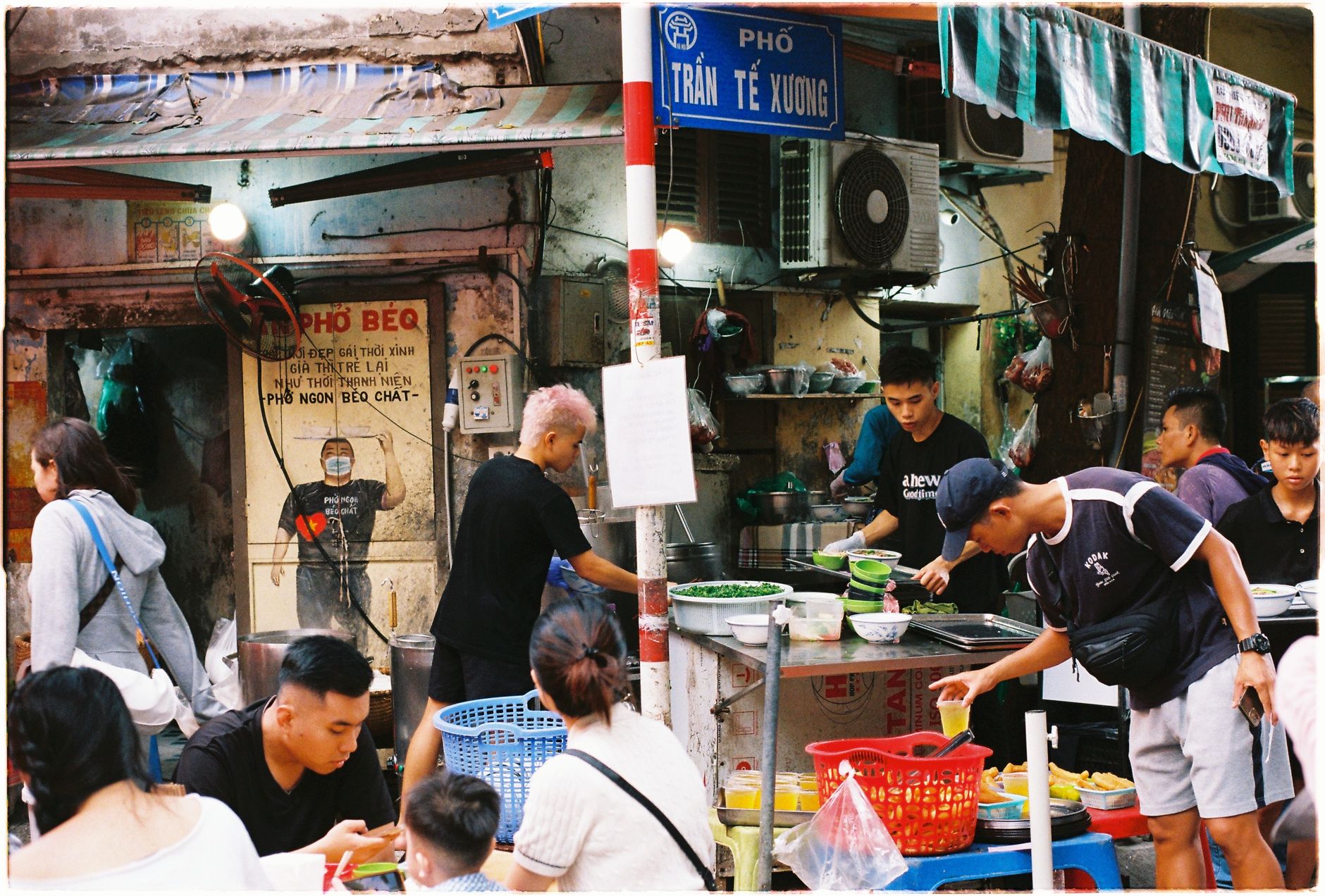
We meet you at your hotel in the early morning (around 7 a.m.) or late afternoon (around 4 p.m.), depending on what foods are best at that time. The host arrives with a small backpack and a list of places—never the same list twice, because what's good changes day to day. We walk into the old quarter or a residential lane and stop at the first stall: maybe a woman making bánh mì on a small counter, slicing baguette and spreading pâté by hand. You order a sandwich; she fills it with meat, pickles, cilantro, and chilli paste. You eat standing up or on a low plastic stool, the host stands nearby and tells you what's in it and why this stall matters to the neighbourhood. This pattern repeats 5–8 times across the session—a quick stop, a taste, a conversation, a walk to the next place.
Kids aged 8+ usually enjoy the walking and the novelty, though we choose milder options for them and often skip the most adventurous items (like blood cake or strong-smelling fermented vegetables). Seniors move at a slower pace; we book fewer stops and suggest you eat a light breakfast beforehand so your stomach isn't too empty. Couples often love the intimacy of walking through lanes without crowds and the story each stop carries. Groups of friends tend to be louder and more playful, trying dishes they'd normally avoid—we adjust the tone to match.

Which Ninh Binh street food tour length fits your time?
Cáo Experiences offers both 3-hour and 4-hour sessions. A 3-hour tour covers 5–6 stops and includes a coffee or dessert break; it suits people with tight schedules or those who tire easily. A 4-hour tour adds 1–2 extra stops and moves at a slower pace, letting you sit longer at one stall and chat with owners or other guests. Both sessions include water and a small snack if you want it between stops. Neither is rushed; the difference is mainly breathing room. Choose 3 hours if you have a flight or other plans the same day, or if you're new to unfamiliar foods and want to ease in. Choose 4 hours if you like to linger, ask questions, and really know each place. Both run rain or shine—we just move stops indoors or to covered markets if needed.
Should you go early morning or late afternoon?
Early morning (6:30–10 a.m.) lets you eat the foods Ninh Binh people eat for breakfast: bánh mì, phở, bánh cuốn (rolled sticky rice), fresh spring rolls at the height of morning rush. The air is cooler, the stalls are busiest, and you eat alongside workers and students. Late afternoon (4–8 p.m.) focuses on snacks and dinner foods: grilled snails, sticky rice in leaves, fried tofu, bánh hoai (a local specialty—fried crêpes with shrimp). The light is golden, lanes are quieter, and the pace feels more relaxed. Most visitors choose early morning for the energy and the full-breakfast feel. Couples and older guests often prefer late afternoon for the calm and the softer light. Both are equally delicious; it's about your mood and schedule. Ask us for dates and a quote on WhatsApp—we'll help you pick the time that suits your trip.
What if you have allergies or dietary needs?
Tell us before you book. We work with real stalls, not a catered kitchen, so we can't control every ingredient or cross-contamination. But we know which stalls use which oils, where the fish sauce is unavoidable, and which dishes are genuinely vegetarian versus just cooked without meat. Shellfish allergies? We avoid snail and prawn stalls. Nut allergies? We check each sweet and fried item with the owner first. Vegetarian? There are plenty of bánh mì with only vegetables, rice dishes, and fried tofu—though some "vegetarian" soups have meat broth, so we verify. Vegan? More challenging but doable with rice, fresh rolls, and some stir-fried vegetables; we just need to know in advance so the host can map a route that works. We've never had to cancel a tour because of allergies—we've just adapted which stalls we visit and asked owners to prepare items without certain ingredients. The host carries hand sanitizer, wet wipes, and bottled water. Bring any personal medication you need.
How much should you spend—and what affects the cost?
We don't quote a price here, but the cost depends mainly on three things: how many people are in your group, which stalls you visit, and how much you eat. A session with 2 people will cost more per person than a group of 6, because the host's time is shared. A tour heavy on fresh spring rolls and bánh mì will cost less than one with many grilled items or seafood. And you can always eat light (taste a bit at each stop) or eat full meals—it's your choice, and the cost adjusts. Ask us for dates and a quote on WhatsApp. When you get the quote, it will cover the host's time, any bottled water or coffee we provide, and coordination. You pay for food at each stall separately, in cash, at the moment you order—nothing is pre-paid. This keeps the experience authentic and lets you decide how much to eat. Budget a buffer; street food in Ninh Binh is cheap by any standard, but it adds up if you're hungry.
Should you go with a group or book a private tour?
Comparison table:
| Aspect | Group tour (4–8 people) | Private tour (2–4 people) |
|---|---|---|
| Who it suits | Couples, friends meeting Cáo guests, people wanting to save cost per person | Families, groups who know each other, people wanting control over pace and stops |
| Pace | Steady, fits the slowest person but rarely stops long | Flexible—linger at a stall, skip a stop, add a detour |
| Cost per person | Lower, because the host time is spread | Higher, but often cheaper total for 2 people than a group rate |
| Meeting new people | Yes, other Cáo guests from around the world | No—just your own group |
| Food choices | Stalls the host pre-selects for mixed tastes | You negotiate with the host beforehand |
| Language | English with the host; stall owners speak Vietnamese | Same |
| Feel | Social, a bit of guided-tour energy | Intimate, feels like a friend showing you their neighbourhood |
Group tours run weekly on set days (ask us for dates on WhatsApp). Private tours run any day that works for you—ideal if you're traveling with family or have a specific diet or pace in mind. Both are led by local hosts who live or grew up in Ninh Binh.
What to actually wear and bring on the day
Wear comfortable walking shoes—you'll cover 1–2 km across lanes and past market stalls. The terrain is flat and paved, but sometimes uneven; flip-flops work if you're sure-footed, but closed shoes are safer. Wear loose, breathable clothes; you'll be walking in warm, humid weather and stopping to eat. Bring a small daypack with a water bottle, sunscreen, and a hat or cap. Bring cash in Vietnamese dong—all the stalls are cash-only, and ATMs aren't always nearby. Bring a phone with your hotel address saved in Vietnamese if you came by taxi, in case you want to head back early. Don't bring a large camera bag; you're walking through residential lanes where lots of gear marks you as a tourist and draws unwanted attention. A phone camera is fine. Eat a light breakfast if you're doing the morning tour; an empty stomach isn't enjoyable on a food walk. If you have a severe allergy or dietary need, bring a translation card or photo of the word (e.g., "no shellfish" in Vietnamese) to show stall owners—the host will have this too, but it's reassuring for you.
Can you combine a street food tour with other Cáo experiences?
Yes. Some guests do a morning street food tour and an afternoon Vietnamese cooking class in Ninh Binh, or pair the tour with a farm and countryside experience to understand where the vegetables and rice come from. Others combine food tour with flower arranging or a tea experience for a full day. You can also book a group and team experience if you're traveling with work colleagues. Each experience runs independently, so you'd book them as separate sessions—the host can help you chain them together logistically so there's no dead time. The street food tour is hands-on enough that it pairs best with gentler activities in the afternoon; back-to-back intense sessions (food tour + cooking class) can leave you tired. Ask us on WhatsApp what combinations work well for your dates and interests.
What to check before you book
- Group size and price. Ask exactly how many people are in a group tour, or confirm it's truly private before you pay. Confirm whether food cost is included or paid on the day (it's always the latter with us).
- Dietary needs. Write them down and send them when you request dates. Don't assume vegetarian food will be vegan or allergen-free; ask us to confirm.
- Weather and rescheduling. We run in light rain, but if a storm hits, we shift to covered markets or offer to reschedule. Get the rescheduling policy in writing.
- Early morning start. If you're not a morning person, late-afternoon tours exist—confirm the time with the host 24 hours before.
- Language and tour guide. All Cáo tours are in English with a Vietnamese-speaking local host. Confirm the host speaks clear English if that matters to you.

FAQ
What's the difference between a street food tour and a cooking class?
A street food tour takes you to real stalls and markets; you eat what locals eat, and the host tells stories about each place. A Vietnamese cooking class happens in a kitchen where you chop, cook, and taste your own dishes. Both teach you about food, but tours are about discovery and storytelling; classes are hands-on learning. Pair them for a full food day.
Is street food in Ninh Binh safe to eat?
Yes. The stalls we visit are where locals eat every day. The host has relationships with owners and knows which places maintain high standards. Stick to hot, freshly cooked items; avoid raw items unless the host confirms the source. Bring hand sanitizer, wash hands before eating, and trust your gut—if something looks off, skip it.
Do I need to speak Vietnamese?
No. The host speaks English and translates. Stall owners rarely speak English, but the host orders for you and explains what you're eating. It's part of the charm—you rely on the host as a bridge.
Can kids join a street food tour?
Yes, aged 8+. Younger kids can come but may get bored or overwhelmed by unfamiliar foods and crowded stalls. We choose milder dishes for kids and take shorter walks. If you have a very young child, a private tour lets you move at their pace.
What if I don't like spicy food?
Tell the host beforehand. Many Ninh Binh dishes aren't inherently spicy—bánh mì, phở, spring rolls are mild by default. Chilli is on the side; you add it or not. The host will steer you toward less spicy stops and remind owners not to add chilli to your dish.
Can I do a street food tour if I'm vegetarian?
Yes. Bánh mì can be all vegetables, spring rolls exist in veggie versions, fried tofu is common, and many rice dishes are meat-free. Some broths have meat stock, so confirm with the host. A private tour lets you map the route to focus on vegetarian stalls; group tours include some meat stops but the host ensures you have vegetarian options at each.
Ask about dates
Tell us the city, your dates and what you would like to try. We reply on WhatsApp in English with options and availability.
FAQ
What's the difference between a street food tour and a cooking class?
A street food tour takes you to real stalls and markets; you eat what locals eat, and the host tells stories about each place. A [Vietnamese cooking class](/cooking-class) happens in a kitchen where you chop, cook, and taste your own dishes. Both teach you about food, but tours are about discovery and storytelling; classes are hands-on learning. Pair them for a full food day.
Is street food in Ninh Binh safe to eat?
Yes. The stalls we visit are where locals eat every day. The host has relationships with owners and knows which places maintain high standards. Stick to hot, freshly cooked items; avoid raw items unless the host confirms the source. Bring hand sanitizer, wash hands before eating, and trust your gut—if something looks off, skip it.
Do I need to speak Vietnamese?
No. The host speaks English and translates. Stall owners rarely speak English, but the host orders for you and explains what you're eating. It's part of the charm—you rely on the host as a bridge.
Can kids join a street food tour?
Yes, aged 8+. Younger kids can come but may get bored or overwhelmed by unfamiliar foods and crowded stalls. We choose milder dishes for kids and take shorter walks. If you have a very young child, a private tour lets you move at their pace.
What if I don't like spicy food?
Tell the host beforehand. Many Ninh Binh dishes aren't inherently spicy—bánh mì, phở, spring rolls are mild by default. Chilli is on the side; you add it or not. The host will steer you toward less spicy stops and remind owners not to add chilli to your dish.
Can I do a street food tour if I'm vegetarian?
Yes. Bánh mì can be all vegetables, spring rolls exist in veggie versions, fried tofu is common, and many rice dishes are meat-free. Some broths have meat stock, so confirm with the host. A private tour lets you map the route to focus on vegetarian stalls; group tours include some meat stops but the host ensures you have vegetarian options at each.
More like this
Street food and market tours
Best Street Food Tour in Sapa: What to Expect, How to Choose
Street food tours in Sapa connect you with hill-town cooks and night markets. We'll walk you through what these sessions offer, who they're for, and how to avoid common missteps.
Street food and market tours
Best Street Food Tour in Hue: What to Choose, Who It's For
A street food tour in Hue isn't one thing—it's a choice between styles, neighborhoods, and paces. We break down what actually happens on each type, and how to know which fits your group.
Street food and market tours
Best Food Walking Tour in Vietnam: Hanoi Street Food Guide
A food walking tour in Vietnam immerses you in bustling markets and street lanes where vendors have cooked the same dishes for decades. We show you what to taste, how to order, and the stories behind each bite.