
Home › Blog › Street food and market tours
Street food tour in Saigon: what to expect and how to book
By the Cáo Experiences team · 2026-11-06
A street food tour in Saigon with Cáo Experiences is a guided 3–4 hour walk through old quarters and wet markets where you stop at 6–10 vendors, tasting banh mi, pho, banh xeo, seafood cakes, and local drinks as you go. We coordinate via WhatsApp, meet in the early morning or late afternoon (when streets are liveliest and cooler), and tailor stops to your pace, allergies, and curiosity—whether you're a first-timer nervous about street eating or someone hunting for a specific regional dish. No restaurant names; we navigate by foot and relationship, so you eat where locals do, not where guidebooks point. You'll learn why a vendor's been in the same spot for decades, how to read hand-written menu signs, and which dishes change by season. Ask us for dates and a quote on WhatsApp—we run sessions year-round, and adapt for rain, dietary restrictions, group size, and fitness level.
What makes a Saigon street food walk different from a restaurant tour?
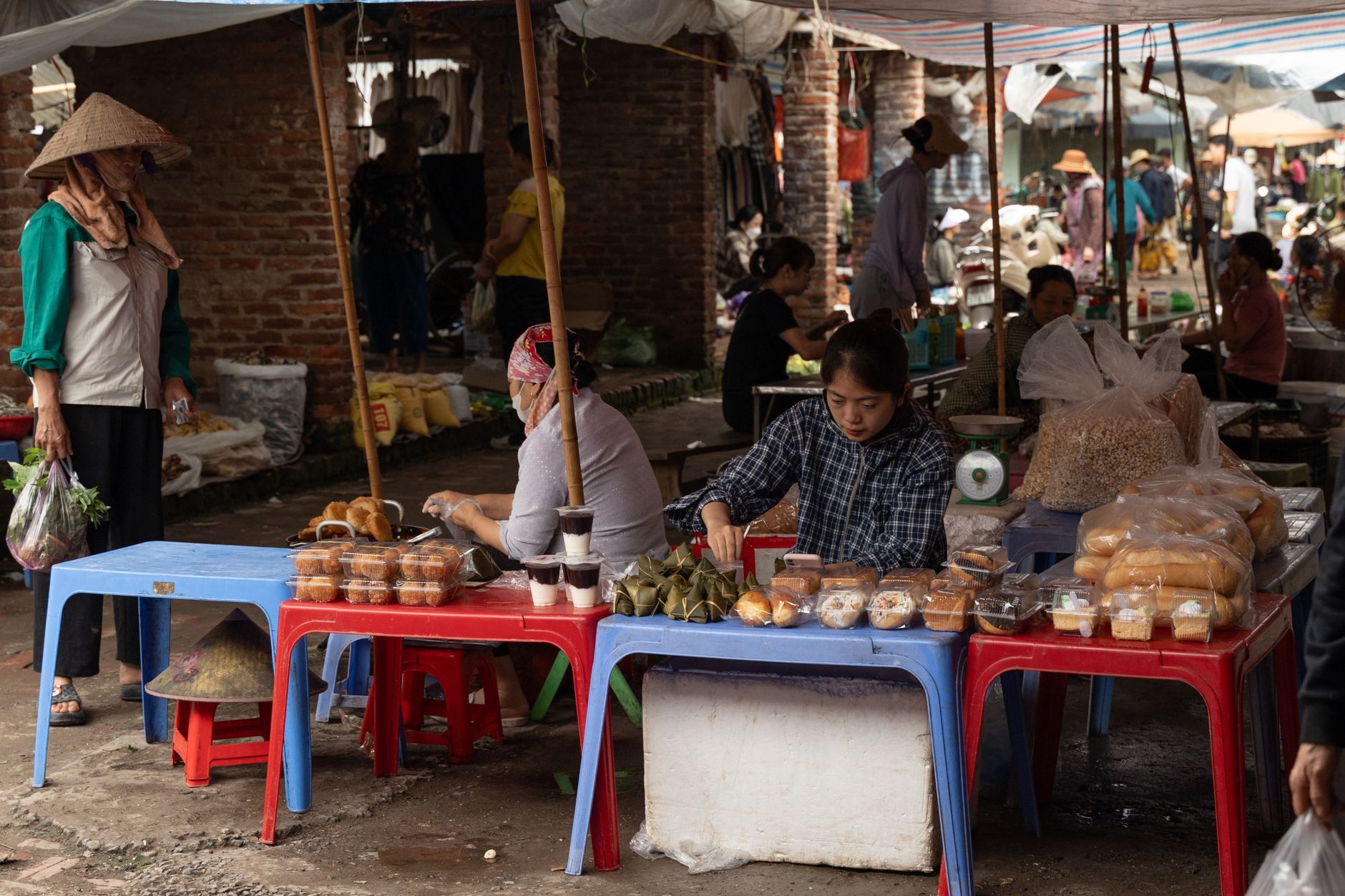
A street food tour takes you into the rhythm of the city—vendor stalls, plastic stools, crowds, real noise—rather than curated dining rooms. You see prep happen live: noodles boiling in a pot that's been there since dawn, herbs chopped on a wooden board, broth ladled from a stockpot. You eat when locals eat and pay per item, not per head, so costs vary by appetite. The pedagogy is different too: instead of plated courses, you taste a dish, ask why it's made that way, move on, and build a mental map of Saigon's neighborhoods through your palate. You also meet the person making your food, not a server. That encounter—even wordless—is what stays with you.

How do we handle dietary restrictions and allergies on a walk?
Before the tour, we ask about allergies, vegetarianism, veganism, religious restrictions, and spice tolerance via WhatsApp. We brief vendors we know in advance, and we're always next to you, so if something surprises you, we pivot to the next stall. Rain or high heat doesn't cancel; we adapt by choosing shaded markets or shorter walks. The goal is everyone tasting something they want to taste, not just what's available. If you have a specific craving—a dish you've heard about but can't find—we often know where to source it, though not always in one morning.
What should you wear and bring to stay comfortable?
Wear light, quick-dry clothes: cotton or synthetic blends, not jeans, because you'll be standing, walking, and sweating. Slip-on shoes (markets are wet) with good arch support—you'll cover 2–3 km on foot. Bring a small backpack or crossbody bag: a water bottle (1.5 L minimum in warm months), a light rain jacket or compact umbrella, sunscreen, and a small notebook if you like jotting down vendor names or recipes. Some vendors have napkins; some don't—a small pack of tissues helps. Leave valuables at your hotel. We meet in the early morning (around 6:30–7 am) or late afternoon (4–5 pm) to beat heat and crowds, so timing matters for comfort. If you run cold, bring a cardigan; if you're prone to sunburn, a wide-brimmed hat works better than a cap.
Who is a street food tour best suited for?
| Traveler type | Why it works | What to know |
|---|---|---|
| First-time Vietnam visitor | Authentic introduction; cheap sampling; friendly pace | Some dishes are unfamiliar; trust the process |
| Foodies and cooks | Learn techniques, sourcing, flavor logic, vendor stories | Not a cooking class—observation and taste education |
| Couples or friends | Shared discovery; conversation starter; small group feel | Works best when both are curious, not picky |
| Families with kids 8+ | Kids love sampling, markets are sensory-rich, vendors are patient | Pace may tire younger kids; plan a break at a café |
| Seniors and slower walkers | We adjust pace; can do shorter routes; vendors provide stools | Let us know mobility needs in advance |
| Dietary-restricted guests | We plan every stop in advance; no surprises | Restrictions must be named clearly when booking |
What does a typical 3-hour session look like, hour by hour?
6:30 am (or 4:00 pm). Meet at a landmark near the old quarter. We introduce ourselves, check allergies, explain the route. Walk to the first stall—a rice noodle vendor setup in a narrow lane. You watch someone ladle broth, drop noodles, top with herb; eat standing or on a low plastic stool. Ask questions. Move.
7:00–8:15 am. Visit 3–4 more stalls: maybe a banh mi cart with a line of regulars, a seafood cake vendor at a wet market, a coffee stand. You taste, we explain the history or technique. Photo breaks. Sometimes we sit longer at a favorite; sometimes we keep moving.
8:15–9:00 am. Larger sit-down spot—a family-run noodle restaurant (not fancy, no tourists usually)—for a dish that anchors the experience: a regional pho, a stewed crab noodle soup, a noodle gratin. More time here. Cool down, hydrate, digest.
9:00–9:30 am. Walk back to the meeting point via a neighborhood you haven't seen yet. Stop for a final drink—fresh juice, a cold coffee—if energy permits. Debrief: what stuck with you? Any dishes you want to hunt down later? We share our WhatsApp contact for future questions.
How does weather affect a street food tour, and when should you reschedule?
Rain in Saigon is usually heavy and brief. If it's forecast, we move the tour to Quang Ba flower market or Ben Thanh market (covered), where street food vendors also operate—you're sheltered, and the vibe is different but authentic. We don't cancel for light rain; vendors stay open, and covered stalls work fine. Extreme heat (rare) or typhoon warnings (seasonal) are the only hard stops—we'll reschedule those via WhatsApp at no penalty. Many guests prefer rainy-season tours because vendors are less rushed, crowds are lighter, and soup-based dishes feel better. You stay more comfortable if you dress for it: waterproof bag, slip-on shoes, light poncho rather than a heavy jacket. Let us know your weather comfort level when you book; we'll pick the right date and route.
What's the difference between joining a group session and booking a private tour?
Group tours run 2–6 people; private tours are just you, a friend, or your family. Group tours are cheaper (per-person basis) and fun for solo travelers—you meet people, share reactions, often exchange contact info afterward. They run on set dates we announce, and you adapt to the group's pace and dietary needs (within reason). Private tours let you move at your speed, choose your favorite neighborhoods, spend an hour at a dish you love, and avoid strangers. They're better for couples, families with very young kids, or large groups with specific allergies. Both are led by us; both include the same depth of knowledge and access. Ask us for dates and a quote on WhatsApp—we'll compare options based on your group size and preferences.
How much does a street food tour cost, and what's included?
We don't publish prices on our website—they vary by group size, season, and customization (private vs. group, length, neighborhood preference). Ask us for dates and a quote on WhatsApp. What's typically included: your guide's time, access to vendor relationships, navigation, explanations in English, and suggested stalls—but not every bite. You pay vendors directly as you eat (very cheap per item: a banh mi might be 25–our current quote, a bowl of pho 40–our current quote), so you control your food spend. We handle logistics and knowledge; you handle taste preferences and appetite. The quote will itemize what's covered so there's no surprise.
Should you do a street food tour before or after a cooking class?
Both work, but they're different. A Vietnamese cooking class teaches you how to make dishes in a kitchen; a street food tour teaches you what and why vendors make them. Some guests do a cooking class first (to understand technique) then a tour (to taste authentic versions and meet makers). Others tour first (to gather inspiration) then cook. There's no "right" order. If you want the deepest experience, combining both within the same trip gives you the full picture: see the market, taste from vendors, learn sourcing and flavor logic on the tour, then recreate dishes (or variations) in a kitchen setting. We run both year-round in Saigon and other cities.
What to check before you book
- Mobility & pace. Let us know if you have knee issues, use a cane, or prefer a slower walk. We can shorten the route or choose flatter neighborhoods.
- Specific allergies. Shellfish, peanuts, fish sauce, soy, eggs—name them all. We plan every stop in advance if you're strict.
- Group or private? Decide based on budget, group size, and whether you want to socialize. Both are equally good.
- Morning or afternoon? Morning tours (6:30–9:30 am) catch the breakfast rush; afternoon tours (4–6 pm) catch dinner prep. Pick by your energy and preference.
- Which neighborhood? Old Quarter is the classic; but Binh Thanh, District 1 riverside, or a suburban market are options too. Mention a preference when you ask for dates.
- Rainy season? Tours run year-round. Heavy rain moves you to a covered market; light rain is fine. Let us know your comfort level.
- Follow-up cravings. After the tour, if you want to cook something you tasted, we can point you to a Vietnamese cooking class or suggest vendors for repeat visits.
If you're also exploring other aspects of Saigon culture, consider combining a street food tour with flower arranging, art and culture classes, or a tea experience—many guests do back-to-back sessions and leave feeling like insiders, not tourists. Hanoi, Hoi An, Da Lat, and Da Nang also have their own street food character; we run tours in those destinations too, though Saigon's markets are the most intense.
FAQ
Can kids come on a street food tour?
Yes, kids 8+ usually enjoy it. They love the sensory chaos and sampling. Younger kids (5–7) can come on private, shorter tours with more breaks. Let us know their age when you book; we'll adjust pace and vendor choices (lighter broths, less spice, familiar flavors alongside new ones). Some kids surprise us and eat everything; others pick a few favorites. No pressure either way.
What if I don't like spicy food?
Saigon street food has spicy and mild options. We know which vendors offer both and which dishes you can adjust (add less chili, swap herbs). Banh mi, pho, and seafood cakes aren't inherently spicy; fresh spring rolls and most noodle soups are mild unless you request heat. Tell us your spice threshold in advance, and we'll route you to dishes that suit you.
Do you visit Ben Thanh Market or Quang Ba Flower Market?
Both are famous public landmarks. Ben Thanh is huge and touristy—we sometimes move a rainy-day tour there because vendors are there and it's covered. Quang Ba is mainly flowers, but street food happens on the periphery. Our core tours happen in the old quarter and neighborhood alleys where you meet regular vendors and locals eating breakfast. We design routes to feel authentic, not like a checklist.
What's the difference between banh mi, banh xeo, and banh chay?
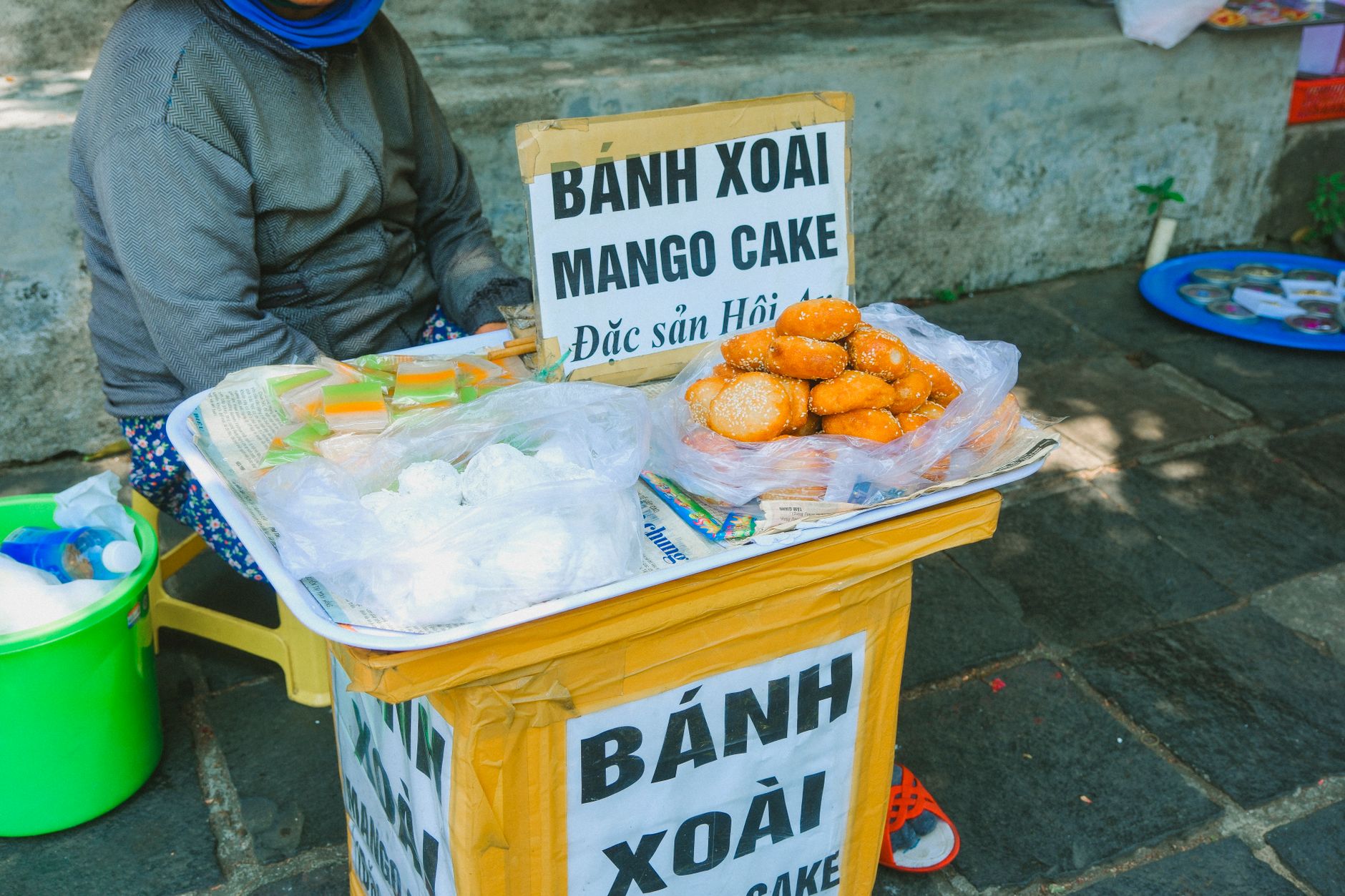
Banh mi is a crusty baguette sandwich filled with pâté, cold cuts, pickled vegetables, and herbs—a colonial-era hybrid. Banh xeo is a crispy, thin crepe (xeo = sizzle) filled with shrimp, pork, and bean sprouts, eaten by wrapping it in rice paper with herbs. Banh chay is a savory tofu or mushroom version. You'll taste all three on most tours and understand the texture and flavor differences immediately. No need to memorize; the vendors and we explain as you eat.
Can I do a private tour just for myself, or do I need a group?
Private tours are absolutely available. Solo travelers book them all the time, and they cost more per-person than group tours but give you total control over pace, route, and stops. You're also free to chat with vendors or be quiet—no group dynamics. If you'd prefer to meet other travelers, we can add you to an upcoming group tour instead. Let us know your preference when you ask for dates.
Will my stomach be okay eating from street vendors?
Most vendors have been cooking in the same spot for decades and maintain high standards. Food is usually made fresh to order in front of you. If you're coming from abroad and your gut isn't accustomed to local bacteria, eat conservatively the first day (lighter broths, cooked foods, avoid ice) and build up. We always stand with you while you eat, so if something feels off, we can pivot. Hydrate well before and after. Saigon's street food culture is safe if you follow vendor cues and our guidance—trust the process.
Ask about dates
Tell us the city, your dates and what you would like to try. We reply on WhatsApp in English with options and availability.
FAQ
Can kids come on a street food tour?
Yes, kids 8+ usually enjoy it. They love the sensory chaos and sampling. Younger kids (5–7) can come on private, shorter tours with more breaks. Let us know their age when you book; we'll adjust pace and vendor choices (lighter broths, less spice, familiar flavors alongside new ones). Some kids surprise us and eat everything; others pick a few favorites. No pressure either way.
What if I don't like spicy food?
Saigon street food has spicy and mild options. We know which vendors offer both and which dishes you can adjust (add less chili, swap herbs). Banh mi, pho, and seafood cakes aren't inherently spicy; fresh spring rolls and most noodle soups are mild unless you request heat. Tell us your spice threshold in advance, and we'll route you to dishes that suit you.
Do you visit Ben Thanh Market or Quang Ba Flower Market?
Both are famous public landmarks. Ben Thanh is huge and touristy—we sometimes move a rainy-day tour there because vendors are there and it's covered. Quang Ba is mainly flowers, but street food happens on the periphery. Our core tours happen in the old quarter and neighborhood alleys where you meet regular vendors and locals eating breakfast. We design routes to feel authentic, not like a checklist.
What's the difference between banh mi, banh xeo, and banh chay?
Banh mi is a crusty baguette sandwich filled with pâté, cold cuts, pickled vegetables, and herbs—a colonial-era hybrid. Banh xeo is a crispy, thin crepe (xeo = sizzle) filled with shrimp, pork, and bean sprouts, eaten by wrapping it in rice paper with herbs. Banh chay is a savory tofu or mushroom version. You'll taste all three on most tours and understand the texture and flavor differences immediately. No need to memorize; the vendors and we explain as you eat.
Can I do a private tour just for myself, or do I need a group?
Private tours are absolutely available. Solo travelers book them all the time, and they cost more per-person than group tours but give you total control over pace, route, and stops. You're also free to chat with vendors or be quiet—no group dynamics. If you'd prefer to meet other travelers, we can add you to an upcoming group tour instead. Let us know your preference when you ask for dates.
Will my stomach be okay eating from street vendors?
Most vendors have been cooking in the same spot for decades and maintain high standards. Food is usually made fresh to order in front of you. If you're coming from abroad and your gut isn't accustomed to local bacteria, eat conservatively the first day (lighter broths, cooked foods, avoid ice) and build up. We always stand with you while you eat, so if something feels off, we can pivot. Hydrate well before and after. Saigon's street food culture is safe if you follow vendor cues and our guidance—trust the process.
More like this
Street food and market tours
Best Street Food Tour in Sapa: What to Expect, How to Choose
Street food tours in Sapa connect you with hill-town cooks and night markets. We'll walk you through what these sessions offer, who they're for, and how to avoid common missteps.
Street food and market tours
Best Street Food Tour in Hue: What to Choose, Who It's For
A street food tour in Hue isn't one thing—it's a choice between styles, neighborhoods, and paces. We break down what actually happens on each type, and how to know which fits your group.
Street food and market tours
Best Food Walking Tour in Vietnam: Hanoi Street Food Guide
A food walking tour in Vietnam immerses you in bustling markets and street lanes where vendors have cooked the same dishes for decades. We show you what to taste, how to order, and the stories behind each bite.