
Home › Blog › Street food and market tours
Street Food Tour in Vietnam for Seniors: Safety, Pace & What to Expect
By the Cáo Experiences team · 2026-11-06
A street food tour for seniors in Vietnam is a guided walk through local markets and alleyways where a small group tastes authentic dishes from vendors—pho, banh mi, egg coffee, spring rolls—in real neighborhood settings, not tourist restaurants. Tours typically run 2.5–3 hours with built-in rest breaks, toilet access, and stops at family-run kitchens and stalls we've vetted for cleanliness and seating comfort. Cáo Experiences designs these walks for older travelers: we pick routes with minimal steep hills, coordinate pickup from your hotel, and brief you on water, sun, and pacing beforehand. Ask us for dates and a quote on WhatsApp—costs depend on group size and location (Hanoi, Saigon, Hoi An, Da Nang, Da Lat all have senior-friendly routes). Avoid midday heat; early morning (7–9 a.m.) or late afternoon (4–6 p.m.) tours are cooler and less crowded. Street food is safe when eaten at busy, fast-turnover vendors; we never take guests to places with questionable hygiene. Ask about dates on WhatsApp
Why Do Seniors Worry About Street Food in Vietnam?
The main concern isn't the food itself—it's hygiene, digestive upset, and physical strain. Most seniors have heard stories about foodborne illness abroad; in reality, busy street vendors have high turnover and cook everything fresh and hot, which kills pathogens. We scout every stop in advance, watch food prep, check water sources, and always pick stalls where locals eat lunch. The second worry is walking: uneven pavements, traffic noise, and needing a bathroom can feel risky at 65+. Our tours run on flat, quiet lanes or early-morning markets before crowds build. We brief guests beforehand: wear slip-on shoes, bring a small water bottle, and let us know if you need frequent breaks. Digestive upset happens when travelers eat too much, too fast, or try spicy food their stomachs aren't used to. We pace tastings (small portions), offer plain options, and pair street food with sit-down time at a family kitchen so you're not eating while walking.
What Does a Senior-Friendly Street Food Tour Look Like, Hour by Hour?
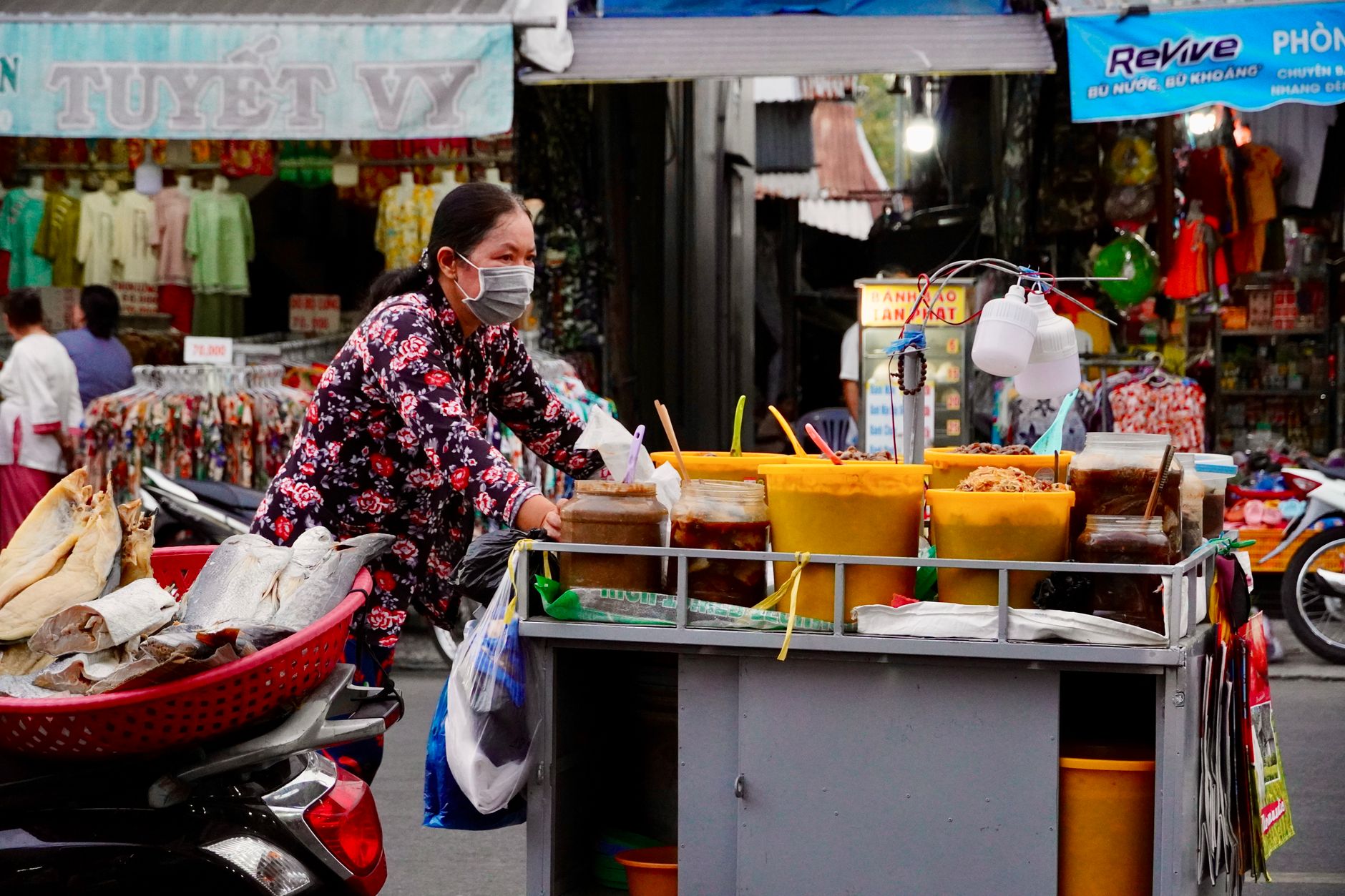
We meet at your hotel or a quiet café at 7 a.m. (or 4 p.m. for afternoon tours) and walk slowly through a market or neighborhood lane—typically 10–15 minutes to the first stop. Stop one: a pho stall where the broth has simmered overnight; we sit on low plastic stools and you watch the cook ladle noodles while we explain the ingredients. Fifteen minutes there, then walk ten minutes to a banh mi vendor; you choose your filling (meat, pâté, or vegetarian) and we eat standing or sitting nearby. By mid-tour (around 8:15 a.m.), we find a family kitchen—a real home or small shophouse—where the owner serves coffee, fresh juice, or tea and we sit indoors on proper chairs for 20 minutes, rest our feet, and ask questions about cooking techniques. Final stops might be egg coffee in a café, spring rolls at a workshop, or a dessert stall. We finish by 9 a.m., before heat peaks. The whole pace is gentle: no rushing, no "see as much as possible," and we stop whenever someone needs a break. Toilets are arranged; we show you where they are before the tour starts.
How Do We Adapt the Tour for Dietary Restrictions and Allergies?
Tell us beforehand via WhatsApp: vegetarian, pescatarian, nut allergy, gluten-free, low-spice, diabetic, or any digestive sensitivity. We redesign the route and stops around what you can eat. A vegetarian senior gets spring rolls with tofu, pho with vegetable broth, banh mi with avocado and pickles, and egg coffee (which is vegan-friendly). A guest with a shellfish allergy: we avoid banh hoai, fish sauce-heavy broths, and any stall sharing prep surfaces with seafood—we walk past them and pick fish-cake-free alternatives. For low-spice: we order broths without chili oil, ask vendors to hold fresh chilies, and swap chili-heavy stops for milder desserts or coffee. Gluten-free is trickier in Vietnam (soy sauce, fish sauce, and many broths contain wheat), so we focus on grilled meat, fresh fruit, rice noodles, and egg dishes, and we call ahead to confirm ingredients. We never guess; we ask the vendor directly, in Vietnamese, about what's in every dish, and we carry a translation card if needed. The cost is the same; we're just moving you to different vendors on the same route.
What's the Real Difference Between Hanoi, Saigon, Hoi An, Da Nang, and Da Lat Tours for Older Travelers?
| City | Walking terrain | Famous street foods | Best time for seniors | Crowding & heat |
|---|---|---|---|---|
| Hanoi | Flat Old Quarter lanes, uneven pavements, minimal hills | Pho, egg coffee, banh mi, fish cake | 6:30–8:30 a.m. (coolest, Old Quarter quieter) | High at 10 a.m.–4 p.m.; early mornings best |
| Saigon | Flat but wider streets, some narrow alleys, rare steep bits | Banh mi, bánh mì cay, hu tieu, shrimp paste | 6–8 a.m. or 4:30–6:30 p.m. (avoid 11 a.m.–3 p.m. heat) | Intense midday heat; mornings pleasant |
| Hoi An | Flat ancient town, charming narrow lanes, cobblestones | Cao lau, banh hoai, white rose dumplings, fresh herbs | 6:30–8:30 a.m. or 4:30–6:30 p.m. | Fewer crowds than Hanoi; cooler riverside sections |
| Da Nang | Flat coastal promenade or city market, minimal incline | Grilled seafood, bánh hoai, fresh spring rolls | 6–8 a.m. (sea breeze) or 5–7 p.m. | Moderate heat; beaches offer shade |
| Da Lat | Hilly terrain, cooler climate, fewer crowds | Grilled meat, local sausages, corn, fresh salads | 7–9 a.m. any day (cool year-round) | Least crowded, best for mobility concerns; cooler |
Hanoi suits seniors who love historic, dense environments and don't mind early starts; the Old Quarter is flat but pavements are uneven. Saigon is hotter and more congested, so early morning is essential, but the food variety is unmatched. Hoi An balances charm and comfort: fewer crowds, easy walking, and excellent seating areas. Da Nang offers a coastal feel with less intensity. Da Lat is ideal for seniors with mobility concerns—cooler, less crowded, and hillier terrain doesn't mean steep; it means you move slowly through scenic market areas. Ask us which suits your fitness level.
What Should You Pack and Wear for a Senior Street Food Tour?
Wear loose, lightweight clothing: linen shirt or cotton blouse, lightweight pants or capris (avoid shorts if you burn easily), and a light long-sleeve layer for sun protection and air-conditioned indoor stops. Slip-on shoes are essential—you'll be stopping frequently and sitting on low stools; sneakers or walking sandals work, but Velcro closures beat laces. Bring: a small daypack (not a large backpack; it gets in the way), a refillable water bottle (we show you safe water sources), a handkerchief or small towel, cash in local currency (most vendors don't take cards), and any personal medications (antacid, antihistamine, blood pressure meds). Sunglasses and a baseball cap reduce glare. A lightweight rain jacket (even in dry season, an alley shower can happen). We recommend sun lotion SPF 30+; reapply after the tour. Leave your phone camera at home if possible—we take group photos and you can focus on tasting. Comfortable socks prevent blisters; bring a change if your feet sweat. Don't wear jewelry or show large amounts of cash; Vietnam is safe, but street etiquette matters. If you use a walking stick or cane, let us know in advance; some routes have obstacles we can work around.

How Does Rain Affect a Street Food Tour, and What Happens If You Can't Walk Far That Day?
Light rain doesn't stop us; Vietnamese street food culture thrives in drizzle—vendors set up umbrellas, locals huddle under eaves, and the atmosphere is authentic. We adjust: walk under covered market arcades or shop-front awnings, shorten the route slightly, and spend more time sitting indoors at family kitchens where we can chat and eat without rushing. Bring your rain jacket; we have an umbrella too.
If you wake up with knee pain, fatigue, or just don't feel like walking far, tell us immediately. We redesign on the spot: pick a neighborhood with a short, flat loop (15–20 minutes of walking spread across 2.5 hours), or focus on markets and family kitchens with the most seating. Some seniors prefer a "market and kitchen" tour—30 minutes in a market, then 1.5 hours in one family kitchen learning about cooking while eating courses of food. That's easier on joints and just as authentic. We've also run tours for guests with limited mobility where we arrange a private vehicle to stop at 4–5 vendors, and you walk 2–3 minutes between stops instead of 10–15. No judgment, no upselling; we adapt to what makes your day good.
What's the Honest Difference Between a Street Food Tour and a Cooking Class for Seniors?
A street food tour is about discovery—you taste, observe vendors, learn history, and eat in public settings. A Vietnamese cooking class is hands-on learning—you buy ingredients at a market, return to a kitchen, and cook a full meal yourself under guidance. Tours suit seniors who want minimal physical exertion and maximum variety; classes suit those with mobility and want to take techniques home. Some of our guests do both: a morning food tour for tasting and culture, then a cooking class the next day to make what they loved. A tour is 2.5–3 hours; a class is 4–5 hours (includes market walk, cooking, eating, cleanup). Tours are social and easy-paced; classes require standing at a stove and knife work. Neither is "better"—they're different experiences.
For seniors specifically, a food tour is lower-risk: if your knees are sore that morning, we shorten the walk. A class requires you to commit to standing; that said, we offer chair-height cooking stations and pair you with a younger co-student or our host to help with heavy lifting. Many seniors love the accomplishment of making dinner. If you're deciding, try the tour first. If you love the culture and flavors, the class deepens it.
What to Check Before Booking
- Tell us your fitness level honestly. Can you walk 30 minutes without a break? Do stairs bother you? Are there specific pain points (knees, back, feet)? We design the route around this. No exaggeration needed; we work with all levels.
- Confirm your dietary needs. Vegetarian, nut allergy, low-salt, diabetic, gluten-free—tell us in your first message. We don't guess and won't take you to a stall you can't eat from.
- Check the forecast and timezone. Tours run early morning or late afternoon. What time suits your jet lag and energy? What's the expected weather? We'll brief you on clothing.
- Arrange transport beforehand. We can pick you up from your hotel or meet at a café. Confirm the pickup time and address via WhatsApp so there's no confusion.
- Bring cash and a power bank. Most vendors are cash-only. Your phone will be useful for translations or photos; keep it charged.
- Set expectations on pace. You'll walk 1–1.5 miles total (usually 2–3 miles in a full day tour with longer rests), with frequent sitting breaks. We move slowly; this isn't a fitness challenge.
Want to Explore Beyond Street Food?
If you fall in love with Vietnamese food culture during the tour, consider pairing it with a Vietnamese cooking class to make banh mi or pho at home, or a Vietnamese coffee workshop to learn the history of egg coffee and filter brewing. Some guests enjoy a farm and countryside experience to see where ingredients grow. All are designed for seniors; ask us how they fit together.
Pages from our team you may need

FAQ
Is street food in Vietnam actually safe for older stomachs, or am I risking food poisoning?
Street food is safe when it's cooked fresh and hot, which kills harmful bacteria. Busy vendors have high turnover; we only take guests to stalls where locals eat. The real risk is overeating or eating spicy food your stomach isn't used to. We pace tastings, offer plain options, and let you rest between stops. Millions of older travelers eat street food in Vietnam yearly without issue.
How many other people will be on the tour, and will I feel rushed?
Tours are small groups: 2–4 guests typically, sometimes up to 6. Larger groups feel crowded in narrow lanes and at intimate stalls. We never rush; you set the pace. If a stall is packed with locals, we wait nearby or move to the next stop. Private tours (just you and your partner or family) are also available—ask for a quote.
What's included in the cost, and are drinks or meals extra?
Ask us for dates and a quote on WhatsApp; costs depend on group size and location. Typically, the tour includes the host's time, walking route, and paid tastings at stalls and family kitchens (small portions of 5–8 dishes). Bottled water and a sit-down drink (coffee, tea, juice) are included. If you want a full bowl of pho for breakfast after the tour, that's extra. We'll be clear on what's covered before you book.
What if I get tired or my medication schedule means I need to leave early?
Tours are flexible. If you need to leave after 90 minutes, we'll get you a taxi back to your hotel or walk you to a nearby café. No penalty; your health comes first. Communicate via WhatsApp as soon as you know.
Can my grandchildren join the tour, or is it seniors-only?
Street food tours work for all ages if paced right. Kids (8+) often love the interactive, tasting-focused format. We run family-friendly food experiences too; ask about our family and kids experiences for age-specific guides, or join a standard tour as a multigenerational group and we'll adapt the pace and stories.
How far in advance do I need to book?
Ideally 2–3 weeks, so we can scout routes, confirm vendor availability, and arrange your preferences. Shorter notice (3–5 days) is possible if availability allows. Use WhatsApp to ask about dates.
Ask about dates
Tell us the city, your dates and what you would like to try. We reply on WhatsApp in English with options and availability.
FAQ
Is street food in Vietnam actually safe for older stomachs, or am I risking food poisoning?
Street food is safe when it's cooked fresh and hot, which kills harmful bacteria. Busy vendors have high turnover; we only take guests to stalls where locals eat. The real risk is overeating or eating spicy food your stomach isn't used to. We pace tastings, offer plain options, and let you rest between stops. Millions of older travelers eat street food in Vietnam yearly without issue.
How many other people will be on the tour, and will I feel rushed?
Tours are small groups: 2–4 guests typically, sometimes up to 6. Larger groups feel crowded in narrow lanes and at intimate stalls. We never rush; you set the pace. If a stall is packed with locals, we wait nearby or move to the next stop. Private tours (just you and your partner or family) are also available—ask for a quote.
What's included in the cost, and are drinks or meals extra?
Ask us for dates and a quote on WhatsApp; costs depend on group size and location. Typically, the tour includes the host's time, walking route, and paid tastings at stalls and family kitchens (small portions of 5–8 dishes). Bottled water and a sit-down drink (coffee, tea, juice) are included. If you want a full bowl of pho for breakfast after the tour, that's extra. We'll be clear on what's covered before you book.
What if I get tired or my medication schedule means I need to leave early?
Tours are flexible. If you need to leave after 90 minutes, we'll get you a taxi back to your hotel or walk you to a nearby café. No penalty; your health comes first. Communicate via WhatsApp as soon as you know.
Can my grandchildren join the tour, or is it seniors-only?
Street food tours work for all ages if paced right. Kids (8+) often love the interactive, tasting-focused format. We run family-friendly food experiences too; ask about our [family and kids experiences](/family-experiences) for age-specific guides, or join a standard tour as a multigenerational group and we'll adapt the pace and stories.
How far in advance do I need to book?
Ideally 2–3 weeks, so we can scout routes, confirm vendor availability, and arrange your preferences. Shorter notice (3–5 days) is possible if availability allows. Use [WhatsApp to ask about dates](/contact).
More like this
Street food and market tours
Best Street Food Tour in Sapa: What to Expect, How to Choose
Street food tours in Sapa connect you with hill-town cooks and night markets. We'll walk you through what these sessions offer, who they're for, and how to avoid common missteps.
Street food and market tours
Best Street Food Tour in Hue: What to Choose, Who It's For
A street food tour in Hue isn't one thing—it's a choice between styles, neighborhoods, and paces. We break down what actually happens on each type, and how to know which fits your group.
Street food and market tours
Best Food Walking Tour in Vietnam: Hanoi Street Food Guide
A food walking tour in Vietnam immerses you in bustling markets and street lanes where vendors have cooked the same dishes for decades. We show you what to taste, how to order, and the stories behind each bite.