
Home › Blog › Street food and market tours
Street Food Tour in Vietnam in August: What to Expect and Plan
By the Cáo Experiences team · 2026-11-06
A street food tour in Vietnam in August means navigating heat, occasional rain, and seasonal dishes you won't find in cooler months—bánh mì from family-run stalls in quiet alleys, phở made by vendors who've worked the same corner for decades, chè (sweet drinks) that locals line up for in afternoon heat. August falls in monsoon season; northern regions see afternoon showers, the south is humid and hot. Tours typically run 3–4 hours (morning or late afternoon to dodge midday heat), include 6–10 stops, and cost based on group size and whether a guide is included. We run small-group tours from Hanoi and Ho Chi Minh City, mixing markets, family kitchens, and street corners where you eat standing up or on plastic stools. Avoid peak lunch hours (11 a.m.–1 p.m.), wear breathable clothes and closed shoes, carry cash (many vendors don't take cards), and bring a rain jacket. August crowds are thin—you'll eat where locals actually eat, not where tour buses point. Ask about dates on WhatsApp
Why do August street food tours feel different from other months?
August is Vietnam's hottest month in the south and monsoon month in the north. Most international tourists avoid the heat and rain, so the streets belong to locals again. Vendors sell differently: cooler drinks move faster, bánh mì stands run leaner menus, and the rhythm shifts to early morning and dusk eating. You won't queue behind other tour groups. The trade-off is real—humidity is fierce, afternoon rain can cancel plans, and some vendors close if rain is heavy. But if you're heat-tolerant and flexible, you taste food as it's actually eaten, not as it's plated for tourists. Our street food and market tour adapts timing and routes based on weather each morning.
One conclusion: August tours are harder logistically but truer to how Vietnamese people actually eat.
What do you actually eat on a Vietnam street food tour in August?
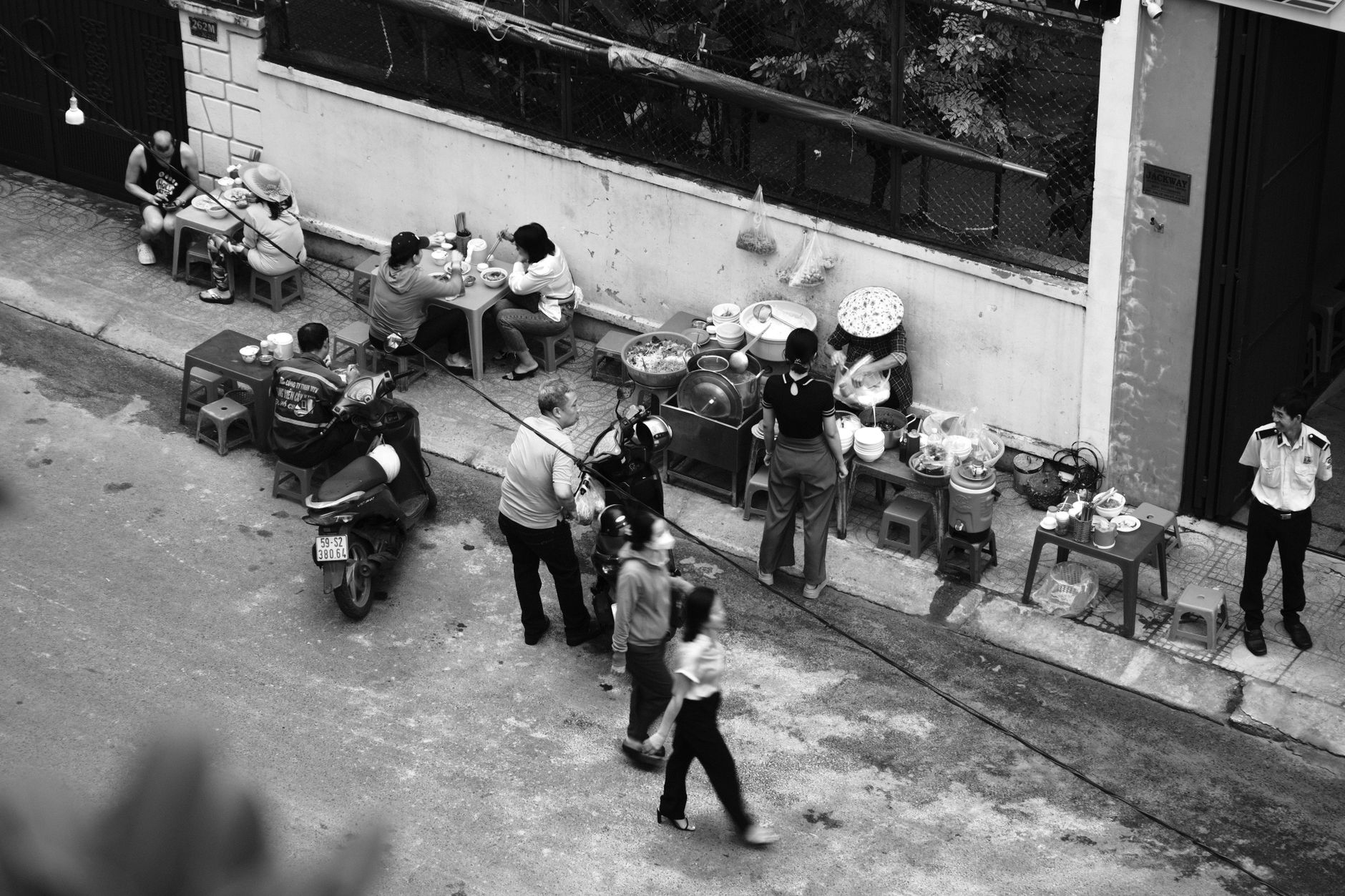
You eat what's abundant and what locals crave in heat. Summer phở is lighter (pork or chicken broth, not the heavy beef of winter). Bánh mì from family carts hits differently when it's fresh-baked that morning. Chè—iced sweet soups with tapioca, beans, or jelly—become the main event, not a side. You'll try cơm tấm (broken-rice plates) with grilled meat or eggs, often from a stall that's been in one spot for 15+ years. Spring rolls vary by region: fresh (không chiên) in the south, fried (chiên) more common in the north. We guide you toward vendors who are actually cooking, not reheating. You learn to spot which stalls move fast (sign of freshness and popularity). No fake or staged meals—you eat standing, sitting on stools, or at a low plastic table where the owner's family also eats. We handle translation and etiquette so you focus on flavor. A typical tour includes 6–10 stops, each a single item or a small plate, eaten over 3–4 hours.
One conclusion: August street food tours center on seasonal, heat-appropriate dishes made fresh that morning.
How does rain change a street food tour in August?
Afternoon showers are common in northern Vietnam (July–September) and sporadic in the south. Light rain actually helps—vendors stay busier because locals run out to grab a quick meal. Heavy rain closes some small stalls and makes walking uncomfortable. We plan tours to start early (6–7 a.m. in Hanoi, 5–6 a.m. in Ho Chi Minh City) to finish by mid-morning before heat peaks and rain risk rises. If rain is forecast heavy, we reschedule or offer an indoor market option where covered stalls run all day. We always carry lightweight rain jackets and suggest you bring one too (not an umbrella—your hands need to be free to hold food and balance). Puddles and wet pavement are slippery, so closed shoes with grip are essential. A tour that gets light rain often becomes the best memory—you eat where locals are actually sheltering and eating, not where tourists gather.
One conclusion: Rain is planned for, not avoided; light rain often deepens the authentic experience.
What's the best time of day to eat street food in Vietnam in August?
Early morning (6–7 a.m.) is ideal. Heat is manageable, vendors are freshest, and lines are short. You eat phở, bánh mì, and sticky rice cakes still warm from the kitchen. Mid-morning extends the tour into market hours (8–10 a.m.), when you see daily shopping and catch vendors at their busiest. Midday (11 a.m.–2 p.m.) is avoided—heat peaks, you're exhausted, and queues form for lunch crowds. Late afternoon (4–6 p.m.) is a second-best option: it's cooler, vendors are restocking for dinner service, and chè drinks are in high demand. Evening (after 7 p.m.) brings night-market food—barbecued seafood, noodle soups, communal grilled-meat stalls—but heat lingers and August air feels heavier. Our cooking class often pairs with an early-morning tour so you eat what you're about to learn to cook.
One conclusion: 6–10 a.m. is when August street food tours are most comfortable and most authentic.
What should you wear and bring on an August street food tour?
Wear lightweight, loose cotton or linen. Avoid white (gets dirty fast), long sleeves (unnecessary heat), and anything synthetic (sweat won't evaporate). Closed shoes with good grip are non-negotiable—wet pavement and uneven streets need support, and open sandals leave your feet exposed to splashes and heat. Bring a lightweight rain jacket (not a poncho; you need your hands), a small backpack or crossbody bag, hand sanitizer, a small towel or handkerchief, cash in small notes (vendors rarely have change for large bills), and a water bottle you can refill. Sunscreen matters even on cloudy August days. Skip the camera if you can—walking and eating require both hands, and people eat more naturally when you're not filming. A hat helps but isn't essential if your pace is slow. We provide wet wipes at each stop. Wear clothes you don't mind getting stained; food splatters are part of the experience. One local practice: bring a plastic bag to collect any trash—vendors appreciate it.
One conclusion: August dress = lightweight, closed shoes, a rain jacket, and realistic expectations about sweat and stains.

Comparison: August vs. Other Months for Street Food Tours
| Factor | August | April–May (Hot season) | September–October (Cool) |
|---|---|---|---|
| Heat (°C) | 28–36°C, high humidity | 30–38°C, lower humidity | 24–28°C, comfortable |
| Rain risk | High (monsoon) | Low | Moderate |
| Crowds | Sparse (locals only) | Heavy (peak season) | Medium |
| Vendor freshness | High (local demand) | High | Very high |
| Comfort level | Low–medium | Low | High |
| Best for | Heat tolerance, authenticity | Endurance | Casual eaters |
Is a street food tour worth it in August if you don't like heat?
Only if heat tolerance is realistic. August in Vietnam is physically demanding—most tourists find it brutal. You'll sweat, feel exhausted by mid-morning, and struggle to enjoy food if you're uncomfortable. However, if you embrace the heat as part of the experience, drink regularly, and go early, August tours become unforgettable. You eat with locals, not tourists. You see how people actually navigate summer. You understand Vietnamese food culture in its real context. If heat is a dealbreaker, we'd recommend September or October instead. But if you're flexible and curious, August is when you taste Vietnam most authentically. Heat forces a slower pace—you rest between stops, talk to vendors, and eat less but taste more. Our wellness and slow experiences approach this through gentler rhythms: fewer stops, longer rests, hydration checks.
One conclusion: August works only if you prioritize authenticity and flavor over comfort.
What to Check Before You Book a Street Food Tour in August
- Weather forecast 3–4 days ahead: Check local rain predictions; light rain is fine, heavy downpours may trigger rescheduling.
- Your heat tolerance: Can you walk 2–3 km in 28–36°C heat? Be honest.
- Start time preference: Early morning (6–7 a.m.) or late afternoon (4–6 p.m.)? Early is better.
- Dietary needs: Vegetarian, allergies, religious restrictions? Tell us upfront—we adjust vendor stops and meals.
- Group size: Solo travelers can join small groups. Private tours adapt pace and stops to your rhythm.
- Physical ability: Uneven pavement, standing time, getting up/down from plastic stools. Seniors and mobility issues need modified routes.
- Language: We guide in English; translation is built in.
- Shoes and bag: Confirm you have closed shoes and a small bag; we can't pause while you find these.
Connect with us for August dates
A street food tour in Vietnam in August is doable, rewarding, and unlike any other time. We coordinate small groups and private tours in Hanoi and Ho Chi Minh City, plus we can combine your tour with a Vietnamese cooking class to cook what you've eaten. Ask us about weather patterns, vendor recommendations by region, and scheduling flexibility.
Pages from our team you may need
FAQ
Is August the cheapest time to book a street food tour in Vietnam?
Prices don't vary by season at Cáo Experiences—ask us for a quote on WhatsApp based on group size and duration. Lower tourist numbers in August mean more flexible scheduling but no discount.
Can I do a street food tour in August if I'm vegetarian?
Yes. We plan routes around vegetable stalls, tofu, and meatless noodle soups. Many vendors offer vegetarian bánh mì and chè. Tell us in advance so we adjust stops.
What's the humidity like in August, and how does it affect eating?
August humidity averages 70–85% in most regions, making heat feel heavier. Sweat-heavy exercise is uncomfortable, but walking and eating slowly (our pace) is manageable if you hydrate and rest between stops.
Do street food vendors stay open in August rain?
Most covered market stalls and under-awning vendors stay open. Open-air carts may close during heavy downpours. We monitor weather and adjust timing or location the morning of the tour.
Can kids and seniors join an August street food tour?
Yes. Kids (6+) enjoy the sensory experience; we choose milder flavors and shorter walks. Seniors benefit from early-morning timing, shorter distances, and our slower pace. Let us know ages and mobility needs when booking.
Should I get travel insurance for a street food tour?
Standard travel insurance covers medical issues. Food-related stomach issues are rarely serious (local vendors' food is safe), but staying hydrated and eating only at busy stalls minimizes risk. We guide you toward the safest, freshest stops.
Ask about dates
Tell us the city, your dates and what you would like to try. We reply on WhatsApp in English with options and availability.
FAQ
Is August the cheapest time to book a street food tour in Vietnam?
Prices don't vary by season at Cáo Experiences—ask us for a quote on WhatsApp based on group size and duration. Lower tourist numbers in August mean more flexible scheduling but no discount.
Can I do a street food tour in August if I'm vegetarian?
Yes. We plan routes around vegetable stalls, tofu, and meatless noodle soups. Many vendors offer vegetarian bánh mì and chè. Tell us in advance so we adjust stops.
What's the humidity like in August, and how does it affect eating?
August humidity averages 70–85% in most regions, making heat feel heavier. Sweat-heavy exercise is uncomfortable, but walking and eating slowly (our pace) is manageable if you hydrate and rest between stops.
Do street food vendors stay open in August rain?
Most covered market stalls and under-awning vendors stay open. Open-air carts may close during heavy downpours. We monitor weather and adjust timing or location the morning of the tour.
Can kids and seniors join an August street food tour?
Yes. Kids (6+) enjoy the sensory experience; we choose milder flavors and shorter walks. Seniors benefit from early-morning timing, shorter distances, and our slower pace. Let us know ages and mobility needs when booking.
Should I get travel insurance for a street food tour?
Standard travel insurance covers medical issues. Food-related stomach issues are rarely serious (local vendors' food is safe), but staying hydrated and eating only at busy stalls minimizes risk. We guide you toward the safest, freshest stops.
More like this
Street food and market tours
Best Street Food Tour in Sapa: What to Expect, How to Choose
Street food tours in Sapa connect you with hill-town cooks and night markets. We'll walk you through what these sessions offer, who they're for, and how to avoid common missteps.
Street food and market tours
Best Street Food Tour in Hue: What to Choose, Who It's For
A street food tour in Hue isn't one thing—it's a choice between styles, neighborhoods, and paces. We break down what actually happens on each type, and how to know which fits your group.
Street food and market tours
Best Food Walking Tour in Vietnam: Hanoi Street Food Guide
A food walking tour in Vietnam immerses you in bustling markets and street lanes where vendors have cooked the same dishes for decades. We show you what to taste, how to order, and the stories behind each bite.