
Home › Blog › Street food and market tours
Street Food Tour in Vietnam in January: What to Expect
By the Cáo Experiences team · 2026-11-06
A street food tour in Vietnam in January means exploring alleyways and markets on foot with a guide, eating 5–8 dishes across 3–4 hours while learning cooking techniques, ingredient stories, and family histories. January is peak season: temperatures drop to 15–20°C in the north and 20–25°C in the south, making walking comfortable and appetites genuine. Tours run in Hanoi, Ho Chi Minh City, Da Nang, and Hoi An, usually starting before dawn or mid-morning. Cáo Experiences runs small-group and private street food and market tours in English, coordinated by WhatsApp, mixing walking with hands-on cooking. Expect to spend 2–4 hours on your feet, wear comfortable shoes, bring water, and eat whatever you can hold—no full-course restaurants. January also pairs well with Vietnamese cooking classes to cook what you've tasted. Ask us for dates and a quote on WhatsApp. Ask about dates on WhatsApp
Why is January the best month for street food in Vietnam?
January offers the coolest, clearest weather across Vietnam—ideal for walking and eating without discomfort. In Hanoi, daytime temperatures hover around 15–18°C; in Ho Chi Minh City, 20–25°C. Locals emerge for breakfast and lunch rather than retreating indoors, so street stalls buzz with energy. Winter vegetables—mustard greens, bitter melon, root crops—peak at markets, shaping what vendors cook. January also falls between Tet (late January to early February) and Lunar New Year bookings, so tours feel intimate, not crowded. Conclusion: cool weather + seasonal ingredients + fewer tourists = the ideal eating window.

What do you actually eat on a street food tour?
We guide you through 5–8 stops, each focused on one dish or category. A typical Hanoi morning includes bánh mì (crispy baguette with pâté and pickled vegetables) from a cart, phở (beef or chicken broth with rice noodles) from a stall that's been open since 4 a.m., grilled chả cá (turmeric-marinated fish with herbs), bánh cuốn (steamed rice rolls), and egg coffee in the Old Quarter. Saigon tours feature bánh mì, bánh canh (tapioca or crab broth), grilled meat skewers, and sweet soups. Da Nang adds seafood specialty dishes unique to the coast. Each stop includes tasting, explanation of ingredients and technique, and conversation with the vendor. Many stalls close by 11 a.m., so we start early—usually 7 a.m. or 8 a.m.—and finish by late morning or lunch. Conclusion: you eat what locals eat, when they eat it, learning why with every bite.
How do I prepare physically and what should I bring?
Wear breathable, loose clothing and comfortable walking shoes with grip—alleys are narrow, wet, and sometimes steep. Bring 500–750 ml of water; hydration matters when eating salty, spiced food. Carry hand sanitizer (we bring it too), a small towel, and an appetite. Some vendors hand you food on banana leaves or small plates; you'll eat standing or perched on a plastic stool, sometimes in the open. If you're vegetarian, vegan, or have allergies (shellfish, peanuts, gluten), tell us before the tour—we'll route you to sellers with alternatives or prep you on what to skip. January's cool weather means you won't overheat while walking. Bring cash in small denominations; most stalls don't take cards. A phone charger helps if you want to photograph dishes. Conclusion: go light, go hungry, and tell us about dietary needs upfront.
What happens if it rains, and is January usually wet?
January is Vietnam's driest month nationwide, but the north can have occasional drizzle—rare, not all-day rain. If light rain starts, we continue under restaurant awnings or vendor umbrellas; part of the real street food experience is eating under cover while rain patters outside. Bring a compact umbrella or rain jacket just in case; it's part of the adventure, not a show-stopper. We've never cancelled a tour for January rain; we've only adjusted the route slightly. Saigon is drier and warmer, so rain is even less likely. Conclusion: January rain is minimal; we adapt by shifting timing or shelter, not by stopping.
Can kids and older adults join, and how do we adapt?
Yes. We run family tours and private groups with different paces. For kids (6+), we pick milder flavors—brothless noodle dishes, skewers, soft rolls—and shorter walks (2–2.5 hours). Older adults can choose a slower pace, more rest stops, and fewer walking distances between stalls. We pair family experiences with street food tours, sometimes combining morning food exploration with a cooking class in the afternoon so kids learn to make what they tasted. Stalls are street-level, no stairs; resting spots are easy to find. If anyone has mobility concerns, tell us and we'll route through flatter areas or adjust to a private driver who drops you at each stall. Dietary needs—softer food for dentures, less spice for sensitive stomachs—we handle by advance notice. Conclusion: all ages join; we customize distance, pace, and portions.
Which city offers the best street food tour in January?
| City | Vibe | Signature dishes | Tour length | Best for |
|---|---|---|---|---|
| Hanoi | Old Quarter buzz, tight alleys, 7 a.m. start | Phở, bánh mì, egg coffee, chả cá | 3–4 hours | History lovers, early risers |
| Ho Chi Minh City | Modern mix, wider streets, more vendors | Bánh mì, bánh canh, grilled meat, sweet soups | 3–4 hours | First-timers, comfort-seekers |
| Da Nang | Coastal, seafood focus, less crowded | Mussels, fish cakes, local noodles | 2.5–3.5 hours | Seafood fans, mid-size groups |
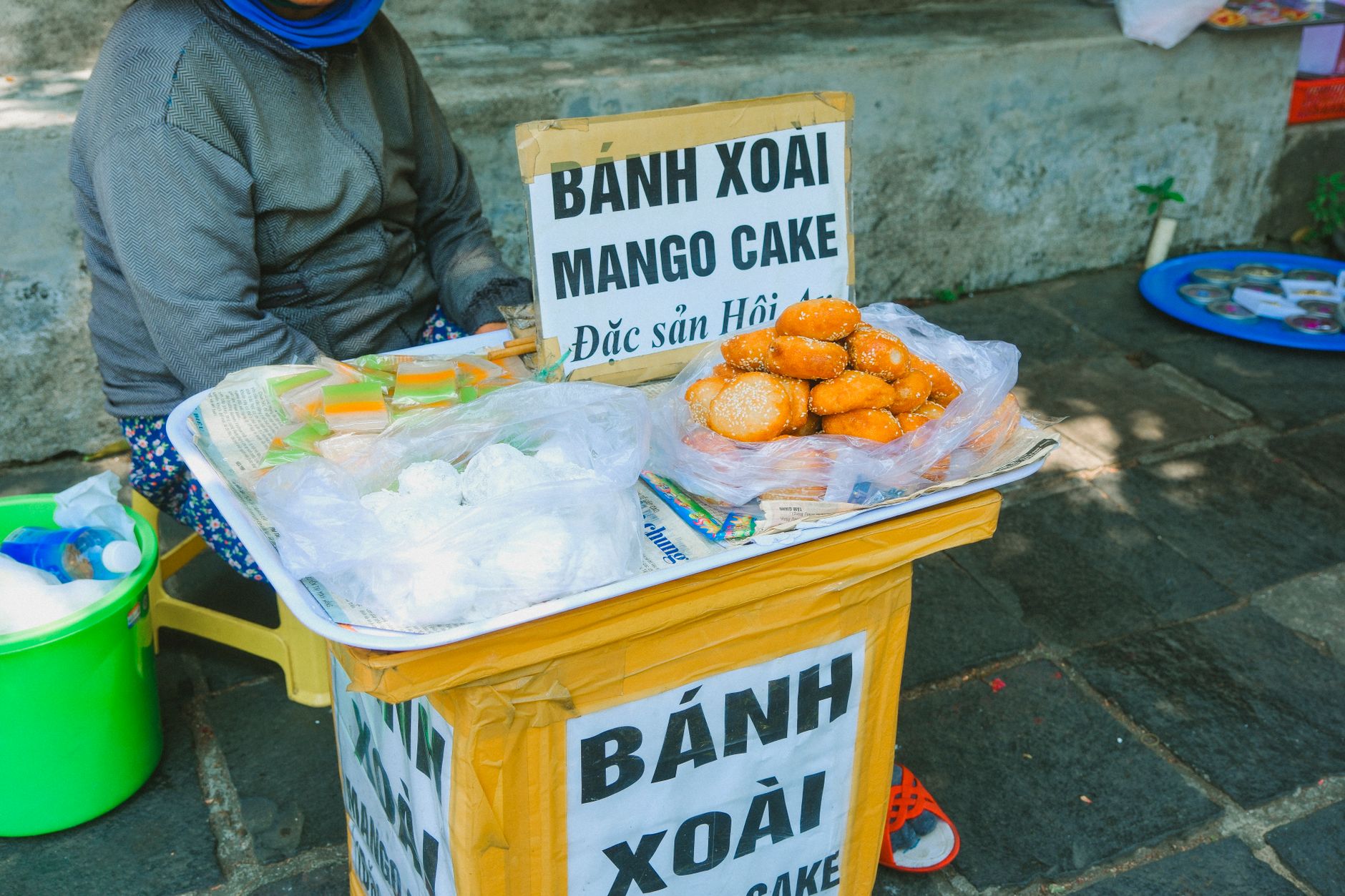
| Hoi An | Ancient Town setting, morning markets | Bánh mì, cao lầu, bánh hoai, fresh herbs | 2–3 hours | Couples, slower pace, photo lovers |
Hanoi's Old Quarter feels most immersive and oldest; vendors are multi-generational and speak less English, so guides bridge stories better. Ho Chi Minh City is easier logistically for first-timers and has English-friendly crowds. Da Nang suits seafood lovers and smaller groups avoiding the busier cities. Hoi An blends food, architecture, and slower rhythm. Ask us for dates and a quote on WhatsApp.

What's the difference between a group tour and a private tour?
Group tours (4–8 people) run on set dates, cost less per person, and include other travelers—great for solo travelers, couples, and families wanting to meet others. Private tours are for your group alone, flexible on time and pace, and cost more total but can be split among friends or large families. Both are guided in English, both include the same stalls and tastings. Group tours follow a fixed route; private tours can pivot based on your interests (more seafood, fewer desserts, longer at one market). We coordinate both via WhatsApp, confirming dates and dietary needs upfront. January fills quickly for group tours, so early booking helps. Conclusion: choose group for budget and social energy; choose private for control and timing.
How much food do you actually consume, and will I still be hungry?
Expect to eat 1.5–2 kg of food across 3–4 hours—roughly 6–8 small courses, not a full meal. You'll feel full but not stuffed; the portions are modest, designed for tasting variety, not single-dish gorging. Many people snack afterward (fruit, coffee) in the afternoon. If you're very hungry beforehand or have a fast metabolism, eat a light breakfast before the tour. We don't serve filler; every stop is a distinct, real dish. Some tours end at a café for coffee or juice; some don't—ask when booking. Conclusion: you'll feel satisfied and energized, not heavy.
What about food safety and hygiene on street tours?
Street food vendors operate at high speed and volume—hygiene standards vary, but busy stalls (high turnover, fresh ingredients daily) are generally safer than quiet ones. We choose stalls we know, avoiding visible mess or stagnant water. Cooked food (phở, grilled items, fried rolls) is safer than raw; January's cool weather helps. If you have a sensitive stomach or IBS, alert us—we'll route you to the most hygiene-conscious vendors or suggest cooking classes as an alternative where you control preparation. We've never had a food-safety incident on our tours; locals eat at these stalls daily. That said, street food carries inherent risk; if you can't handle minor GI variation, consider cooking classes instead. Conclusion: trust busy stalls, avoid raw items if worried, tell us your concerns upfront.
What to check before you book
- Confirm January dates early: group tours fill by November for peak January weeks.
- Tell us dietary needs, allergies, and mobility concerns now: we adapt routes and vendors accordingly.
- Wear comfortable shoes and bring cash: alleys aren't flat, and card readers are rare.
- Expect to eat standing or on stools: street food isn't table service; it's social and mobile.
- Bring water and a small bag: you'll carry food, napkins, and maybe a souvenir spice mix.
- Start early and come hungry: peak breakfast hours are 7–9 a.m.; come fasting or with just coffee.
- Combine with a cooking class: taste on the tour, cook it the next day—it sticks.
Ready to taste Vietnam's street food in January?
Street food tours in January are intimate, sensory, and genuine—you're not in a restaurant; you're in someone's working morning. Cáo Experiences runs street food and market tours in Hanoi, Ho Chi Minh City, Da Nang, and Hoi An, guided in English, coordinated by WhatsApp. Book early for January dates; group tours fill quickly. Pair your tour with a Vietnamese cooking class to recreate what you've tasted.
See how a session runs
Pages from our team you may need
FAQ
Is January a good time to visit Vietnam for street food touring?
Yes—it's the coolest, driest month, ideal for walking and eating without discomfort. Temperatures are 15–25°C depending on region, and seasonal winter vegetables peak at markets, shaping vendor menus. Fewer tourists mean intimate group sizes and easier vendor conversations.
What's the typical cost for a street food tour?
Ask us for dates and a quote on WhatsApp. Group and private tours are priced differently, and January demand varies by city.
Do I need to book far in advance for January?
Yes—group tours fill by November for peak January weeks. Private tours are more flexible but benefit from 2–3 weeks' notice. Contact us early on WhatsApp.
Can I do a street food tour if I'm vegetarian or have allergies?
Absolutely. Tell us your dietary needs when booking, and we'll route you to vendors with vegetables, tofu, egg, and dairy options, or suggest stalls that accommodate allergies. Many traditional dishes have meat-free versions.
What's the difference between a street food tour and a cooking class?
A tour is tasting and walking—you eat what vendors cook and learn their stories. A cooking class is hands-on—you cook in a kitchen with an instructor. Pair both: tour in the morning, cook in the afternoon to deepen what you learned.
Will I get food poisoning on a street food tour?
Street food carries minimal risk if you choose busy, fresh stalls—which we do. Locals eat at these vendors daily. If you have IBS or a very sensitive stomach, a cooking class lets you control ingredients and preparation instead.
What should I wear on a street food tour?
Comfortable walking shoes with grip, breathable loose clothing, and a light jacket for January mornings. Bring a small towel, hand sanitizer, water, and cash. Avoid white or formal clothes; alleys are narrow and sometimes wet.
How early does a street food tour start?
Usually 7–8 a.m. to catch breakfast vendors. Many stalls close by 11 a.m., so early starts mean fresher food and fewer crowds. Come fasting or with just coffee beforehand.
Can families with young kids join?
Yes. We adapt to kids 6+ with shorter walks (2–2.5 hours), milder flavors, and rest stops. Family experiences can be combined with street food tours. Tell us your child's age and preferences when booking.
Are group tours or private tours better for street food in January?
Group tours are cheaper and social; they run on set dates and fill quickly in January. Private tours offer flexibility and control. Both are guided in English and coordinated by WhatsApp. Choose based on budget, group size, and timing preference.
Ask about dates
Tell us the city, your dates and what you would like to try. We reply on WhatsApp in English with options and availability.
FAQ
Is January a good time to visit Vietnam for street food touring?
Yes—it's the coolest, driest month, ideal for walking and eating without discomfort. Temperatures are 15–25°C depending on region, and seasonal winter vegetables peak at markets, shaping vendor menus. Fewer tourists mean intimate group sizes and easier vendor conversations.
What's the typical cost for a street food tour?
Ask us for dates and a quote on WhatsApp. Group and private tours are priced differently, and January demand varies by city.
Do I need to book far in advance for January?
Yes—group tours fill by November for peak January weeks. Private tours are more flexible but benefit from 2–3 weeks' notice. Contact us early on WhatsApp.
Can I do a street food tour if I'm vegetarian or have allergies?
Absolutely. Tell us your dietary needs when booking, and we'll route you to vendors with vegetables, tofu, egg, and dairy options, or suggest stalls that accommodate allergies. Many traditional dishes have meat-free versions.
What's the difference between a street food tour and a cooking class?
A tour is tasting and walking—you eat what vendors cook and learn their stories. A cooking class is hands-on—you cook in a kitchen with an instructor. Pair both: tour in the morning, cook in the afternoon to deepen what you learned.
Will I get food poisoning on a street food tour?
Street food carries minimal risk if you choose busy, fresh stalls—which we do. Locals eat at these vendors daily. If you have IBS or a very sensitive stomach, a cooking class lets you control ingredients and preparation instead.
What should I wear on a street food tour?
Comfortable walking shoes with grip, breathable loose clothing, and a light jacket for January mornings. Bring a small towel, hand sanitizer, water, and cash. Avoid white or formal clothes; alleys are narrow and sometimes wet.
How early does a street food tour start?
Usually 7–8 a.m. to catch breakfast vendors. Many stalls close by 11 a.m., so early starts mean fresher food and fewer crowds. Come fasting or with just coffee beforehand.
Can families with young kids join?
Yes. We adapt to kids 6+ with shorter walks (2–2.5 hours), milder flavors, and rest stops. [Family experiences](/family-experiences) can be combined with street food tours. Tell us your child's age and preferences when booking.
Are group tours or private tours better for street food in January?
Group tours are cheaper and social; they run on set dates and fill quickly in January. Private tours offer flexibility and control. Both are guided in English and coordinated by WhatsApp. Choose based on budget, group size, and timing preference.
More like this
Street food and market tours
Best Street Food Tour in Sapa: What to Expect, How to Choose
Street food tours in Sapa connect you with hill-town cooks and night markets. We'll walk you through what these sessions offer, who they're for, and how to avoid common missteps.
Street food and market tours
Best Street Food Tour in Hue: What to Choose, Who It's For
A street food tour in Hue isn't one thing—it's a choice between styles, neighborhoods, and paces. We break down what actually happens on each type, and how to know which fits your group.
Street food and market tours
Best Food Walking Tour in Vietnam: Hanoi Street Food Guide
A food walking tour in Vietnam immerses you in bustling markets and street lanes where vendors have cooked the same dishes for decades. We show you what to taste, how to order, and the stories behind each bite.