
Home › Blog › Street food and market tours
Street Food Tour in Vietnam in July: Heat, Crowds, and Real Flavours
By the Cáo Experiences team · 2026-11-06
A street food tour in Vietnam in July is a guided walk through local markets, alleyways and hawker stalls in Hanoi, Saigon, Hoi An or Da Nang, lasting 2–4 hours, run by Cáo Experiences in English with WhatsApp coordination. You'll eat 6–10 small dishes (banh mi, pho, sticky rice, spring rolls, grilled meat skewers, coffee) at active food stalls, learning the history and technique behind each. July is peak monsoon: expect 28–32°C heat, sudden downpours, and local crowds—not tourist season. Tours work best in groups of 4–8; we adapt portions for vegetarians, allergies and slow eaters. Avoid loose shoes, expensive cameras, and eating from stalls with no queue. Ask us for dates and a quote on WhatsApp to book a session that fits your appetite and pace. Ask about dates on WhatsApp
Why is July actually good for street food—despite the weather?
July brings monsoons, yes, but also the peak of harvest, cheaper seafood, and fewer tour buses. Locals eat more than tourists; hawkers are aggressive about freshness because turnover is fast. You'll see vendors restocking five times a day, fish delivered that morning, and herbs picked at dawn. The rain clears dust and brings crowds into covered markets—the real eating happens indoors. We start early (6–7 a.m.), hit the wet markets first, then move to settled stall clusters by mid-morning when rain passes. Heat keeps you hungry; locals swap breakfast for two-course lunches because it's cooler to eat twice. July also means lower prices—vendors compete hard on volume, not tourists. Our street food and market tour works because we go when locals go, not when it's convenient.

What do you actually eat on a July street food tour?
You'll eat what's fresh and what's in season: grilled river snails (ốc nước ngọt) dipped in lime-chilli, fresh rice paper rolled with herbs and pork, steamed fish cakes, and cold vermicelli soup (bún chả) that hawkers make at noon rush. Expect sticky rice with mango, savoury custard pancakes, and coffee so strong it's almost paste—pulled long and poured into sweet condensed milk over ice. You won't eat sushi or fusion; you'll eat the same bowls shopkeepers eat. We stop at 6–10 stalls over 3 hours, ordering small portions so you taste variety without feeling sick. Vegetarians swap meat for tofu, mushroom and egg; we call ahead to stalls we know. Allergies (shellfish, peanut, fish sauce) we handle by asking vendors directly—not translated through a menu. You'll spend the afternoon with a satisfied stomach and no regrets.
How do rain, heat and crowds actually change how a tour runs?
Rain in July isn't a cancellation—it's a feature. We reschedule if there's a typhoon warning (rare), but standard monsoon showers mean fewer tourists and tighter stall clusters. We bring a lightweight poncho for you; vendors have tarps. Heat peaks 11 a.m.–2 p.m., so we start at 6 or 7 a.m., eat fast while food is fresh, and finish before the worst heat. Crowds mean 20–30 locals per stall at breakfast rush; we work with this—it proves the food is good. We know which vendors get tourists and which don't; we favour the ones with no menu, no English, and a line of construction workers. Pace slows in heat and rain, but slowing down means more time talking to vendors, watching them cook, understanding why a dish costs what it does. No rushing. If a stall is unexpectedly closed (rare), we pivot to a backup two blocks away; we know the neighbourhood so well we can reroute in seconds.
What should you wear, bring and avoid on a July street food tour?
Wear lightweight, loose cotton or linen—you'll be warm and wet. Closed-toe sneakers with grip; market floors are slick and uneven. Leave the expensive camera; a phone is enough, and vendors prefer you eat rather than photograph. Bring a small backpack (5–10 litres), a water bottle, sunscreen, and a handkerchief or small towel for sweat and spills. Avoid flip-flops (unsafe on wet floors), long trousers (too hot), and heavy jewellery (gets in the way). Don't eat from a stall with no line, no visible prep, or a vendor who looks unwell; food poisoning in monsoon heat is real. Skip stalls that leave food sitting uncovered for hours—active turnover keeps it safe. Respect the stall; don't haggle over a few thousand dong, don't demand English, don't touch food before it's served. Locals run these stalls; we're guests. Most tour guides will rush you; we don't. We sit, we talk, we let you ask questions. That's the difference.
How do Cáo Experiences street food tours differ from big-group tours?
We run groups of 4–8, not 15–20. You learn names; vendors know us by face and repeat visits. Big tours hit the same five stalls every day (tourists only), use translators who've never cooked, and move every 20 minutes. We coordinate on WhatsApp, confirm your diet needs before we meet, adjust pace if someone's tired, and take detours if you're curious. Our hosts are cooks and storytellers, not scripts. We take you to a market corner that has zero English signage because that's where the real food is. You'll eat things big tours won't find—fermented fish soup, salted duck egg, crispy taro cakes—because we know the vendors personally and they'll make something special for a small, respectful group. Profit margins on street food are thin; big tours pay commissions; we don't. You pay the stall directly. That's honest and cheaper for you.
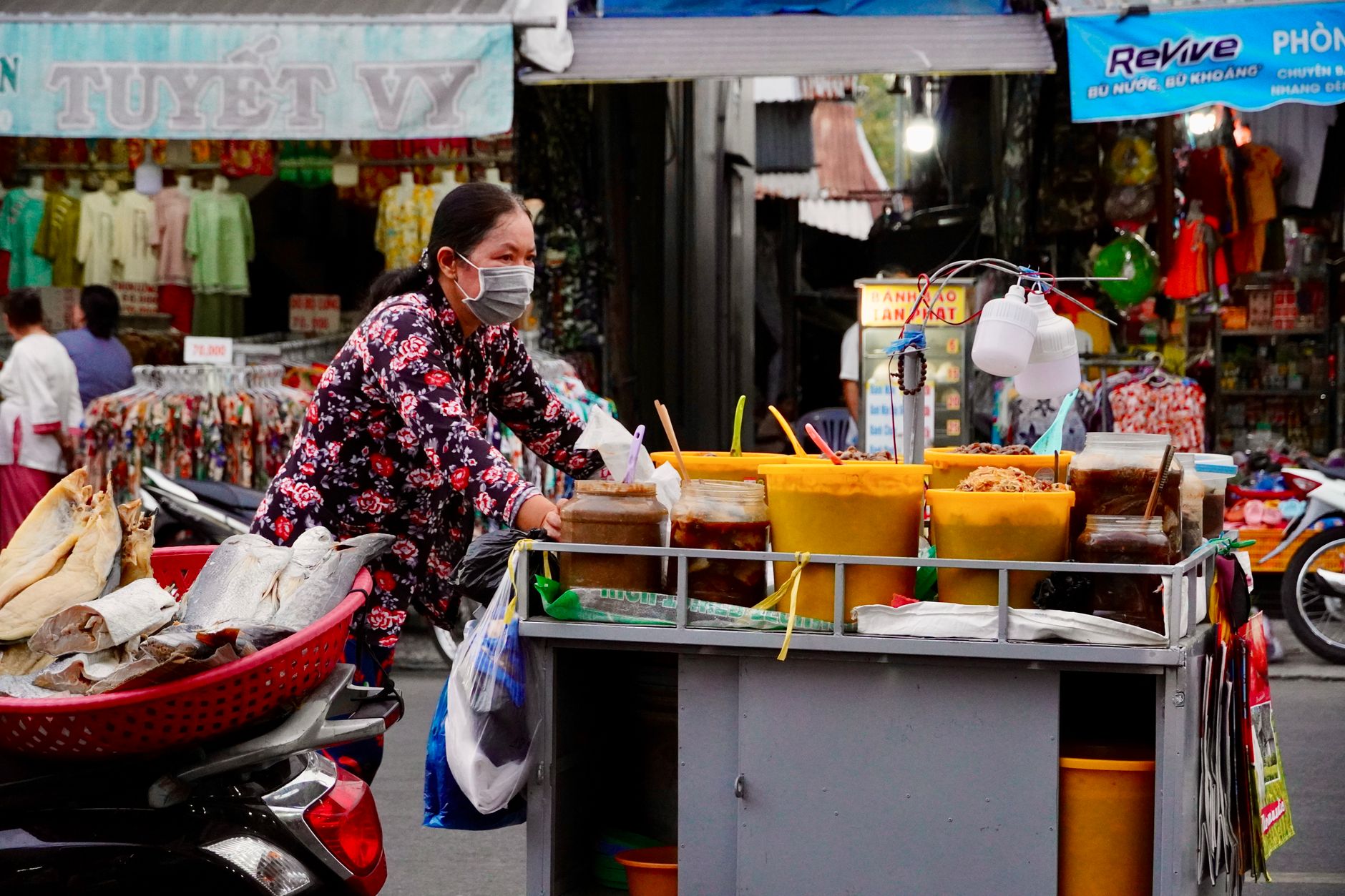
How do we adapt for kids, seniors, vegetarians and allergies?
Kids (5–12): Smaller portions, milder spice (chilli on the side), and a route with breaks—we pick stalls with stools so they can sit. We teach them how to roll spring rolls or dip sauce. Rice and noodle bowls are safer than snail or organ meat. Picky eaters often surprise us; something about hawker energy makes them braver.
Seniors: Slower pace, shaded stalls first, breaks every 45 minutes. We avoid very hot soup in peak heat and favour cold dishes (vermicelli salad, chilled custard, iced coffee). Flat, dry ground; we avoid slippery market sections.
Vegetarians: Call us ahead. Most stalls can skip meat; tofu, egg and mushroom are staples. Fish sauce is in many dishes, but vendors understand if you want it omitted.
Allergies: Peanuts are in many sauces; shellfish in stocks. We ask vendors directly, in Vietnamese, and avoid stalls that can't guarantee safety. No guessing.
Rainy day: We adjust the route to covered markets and indoor stall clusters, use ponchos, and shorten to 2–2.5 hours if weather is severe. A real typhoon warning cancels; we reschedule within a week.
| Situation | Best timing | What to expect | Why it matters |
|---|---|---|---|
| First time, scared of food safety | Early tour (6–7 a.m.), peak stall turnover | Food made fresh, sold fast, eaten fresh | Reduces food-poisoning risk; you taste peak flavour |
| Group of mixed diets (meat, vegetarian, allergies) | Book private, not shared group | Hosts coordinate with each stall per person | No cross-contamination; everyone eats well |
| Heat-sensitive or elderly | 6–7 a.m. start, indoor market first | Cooler, shaded, less crowded; sit between stalls | Safer, less exhausting, more time to talk |
| July monsoon (evening tour) | Rescheduled to early morning | Lighter rain, cooler temperature, fewer tourists | Comfort and safety; food quality stays high |
See how a session runs
What to check before you book a street food tour
- Weather check: Ask us if typhoon warnings are active (rare in July, but possible). Standard rain is safe; extreme warnings aren't.
- Confirm your diet: Tell us if you're vegetarian, vegan, allergic, or have restrictions. We tell you honestly if a tour can accommodate you.
- Group size and timing: Private groups (4–8) work better than big tours; morning (6–7 a.m.) is always better than lunch or evening for freshness and heat.
- Backup plan: If a favourite stall is closed (rare), we have two alternatives nearby. Ask us about the route so you know what to expect.
- Pace and fitness: Tell us if you walk slowly, get tired easily, or have mobility issues. We'll adjust; no shame.
- What you pay: You pay vendors directly for food at each stall; we handle coordination. Ask us for the full breakdown when you book so there are no surprises.
A word on authenticity and responsibility
Street food is how tens of thousands of Vietnamese eat every day. When you eat at a stall, you're supporting a family. When you photograph without asking, or haggle over small change, or skip the meal to "save money," you're treating it as a tourist attraction instead of someone's livelihood. Real street food tours don't spectate; they participate. Eat the food. Tip the vendor if the bowl is good (10–20% is normal here). Talk to them. Ask how long they've worked there, what they'd recommend, what their kid wants to be. That's the tour. Our cooking class teaches you the recipes; a street food tour teaches you the culture. Both matter.
See how a session runs
Ready to book?
July street food tours in Hanoi, Saigon, Hoi An or Da Nang work. Heat, rain and crowds aren't obstacles—they're proof you're eating when locals eat, not when buses arrive. Small groups, early mornings, and genuine relationships with vendors make the difference. We coordinate on WhatsApp, confirm your needs, adapt on the day, and take you to the places tour guides don't know. Ask us for dates and a quote. We'll send you a route outline, a food list, and honest advice on what to wear and what to expect. No promises of "authenticity"—just real food, real people, and a morning you'll think about for years.
Pages from our team you may need

FAQ
Is it safe to eat street food in Vietnam in July?
Yes, if you eat from busy stalls (high turnover = fresh food), avoid sitting food, and wash your hands. July heat and monsoon rain keep vendors vigilant about freshness. Avoid stalls with no queue or visible prep. We know which vendors are reliable; we've eaten there ourselves.
What if I have a severe shellfish or peanut allergy?
Tell us before you book. We'll either arrange a private tour where we call stalls ahead, or recommend you sit out specific stalls. Some dishes (banh mi, spring rolls) are safe; others (seafood soup, satay) aren't. No guessing.
Can I do a street food tour in the evening instead of early morning?
Morning (6–7 a.m.) is always better: food is fresher, it's cooler, and stalls are most active. Evening tours exist but food has sat all day. We recommend early; you can still nap after.
Should I book a group tour or private tour?
Private (4–8 people) lets us adapt pace, dietary needs, and route. Group tours are cheaper but faster and less flexible. For July heat and monsoon, private is worth it.
Ask about dates
Tell us the city, your dates and what you would like to try. We reply on WhatsApp in English with options and availability.
FAQ
Is it safe to eat street food in Vietnam in July?
Yes, if you eat from busy stalls (high turnover = fresh food), avoid sitting food, and wash your hands. July heat and monsoon rain keep vendors vigilant about freshness. Avoid stalls with no queue or visible prep. We know which vendors are reliable; we've eaten there ourselves.
What if I have a severe shellfish or peanut allergy?
Tell us before you book. We'll either arrange a private tour where we call stalls ahead, or recommend you sit out specific stalls. Some dishes (banh mi, spring rolls) are safe; others (seafood soup, satay) aren't. No guessing.
Can I do a street food tour in the evening instead of early morning?
Morning (6–7 a.m.) is always better: food is fresher, it's cooler, and stalls are most active. Evening tours exist but food has sat all day. We recommend early; you can still nap after.
Should I book a group tour or private tour?
Private (4–8 people) lets us adapt pace, dietary needs, and route. Group tours are cheaper but faster and less flexible. For July heat and monsoon, private is worth it.
More like this
Street food and market tours
Best Street Food Tour in Sapa: What to Expect, How to Choose
Street food tours in Sapa connect you with hill-town cooks and night markets. We'll walk you through what these sessions offer, who they're for, and how to avoid common missteps.
Street food and market tours
Best Street Food Tour in Hue: What to Choose, Who It's For
A street food tour in Hue isn't one thing—it's a choice between styles, neighborhoods, and paces. We break down what actually happens on each type, and how to know which fits your group.
Street food and market tours
Best Food Walking Tour in Vietnam: Hanoi Street Food Guide
A food walking tour in Vietnam immerses you in bustling markets and street lanes where vendors have cooked the same dishes for decades. We show you what to taste, how to order, and the stories behind each bite.