
Home › Blog › Street food and market tours
Street Food Tour in Vietnam: Is It Worth It?
By the Cáo Experiences team · 2026-11-06
A street food tour in Vietnam is worth it if you want to taste authentic regional dishes, learn cooking techniques, and understand local food culture in a few hours—but only if your guide speaks English, avoids tourist traps, and adjusts pace for your stomach. Tours typically last 3–4 hours, cover 5–8 stops in old quarters or local markets, and cost based on group size and location (ask us for dates and a quote on WhatsApp). You'll eat small portions at each stall, visit a mix of sit-down vendors and stalls, and often finish at a family kitchen or market café. Skip it if you have severe food sensitivities, are exhausted, or prefer sit-down meals; choose it if you're curious, have a steady appetite, and want to move through lanes at walking pace. Cáo Experiences runs small-group street food and market tours where we coordinate in English, adapt for allergies, and show you how vendors source and cook—not just what tastes good.
Is street food actually safe in Vietnam?
Street food in Vietnam is safe when you eat where locals eat, watch the cooking happen, and choose busy stalls with high turnover. Cooked food—pho, banh mi, grilled items—is safer than raw items if you're cautious. Avoid places with standing water, stalls that don't cook to order, or anything handled with bare hands if you have a delicate stomach. On a guided street food tour, we pick vendors we know, watch preparation, and tell you which dishes to skip if you're unsure. The main risk isn't the food—it's overeating unfamiliar flavors and rich broths on an empty stomach.

What will I actually eat on a tour?
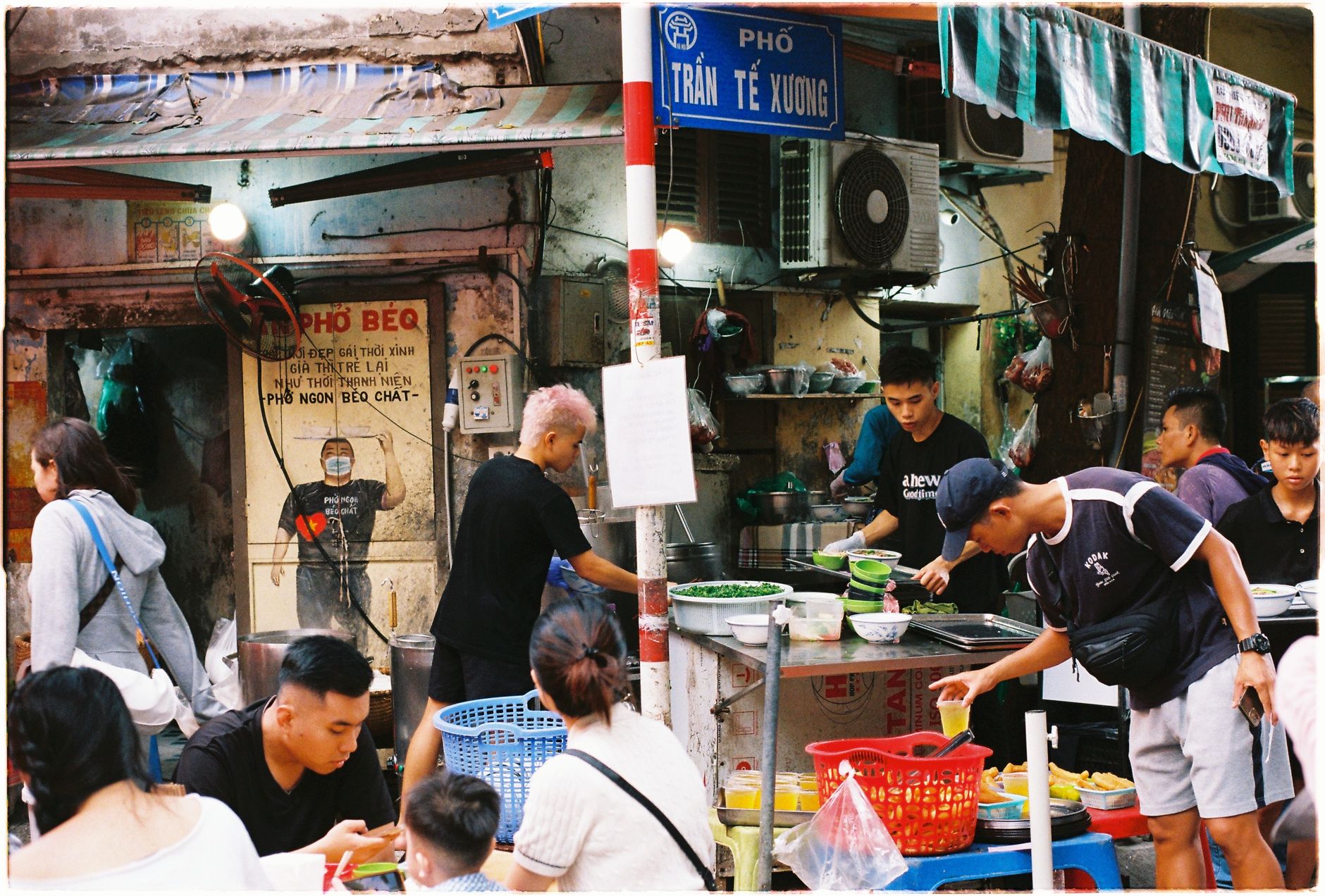
You'll taste regional specialties: pho from a family shop in an old quarter, banh mi from a corner vendor, fresh spring rolls, grilled meat skewers, sticky rice cakes, and drinks like egg coffee or sugarcane juice. Portions are small—a bowl of pho, half a banh mi, 2–3 rolls per stop—so you're sampling, not feasting. Some tours include desserts: shaved ice with fruit, che (sweet bean soup), or tapioca pearls. We ask about allergies beforehand and warn you about dishes with peanuts, shrimp paste, or sugar; we also guide you away from overly adventurous offal if you're unsure. The pace is slow—you walk 10 minutes, eat for 15, chat, then move on.
How long does a street food tour take?
Most tours run 3–4 hours, typically late morning (10 a.m.–1 p.m.) or early evening (4 p.m.–7 p.m.). You'll spend 10–15 minutes walking between stops and 15–20 minutes eating and chatting at each stall. A typical session: meet in an old quarter or near a local market, walk to the first vendor, order together, stand or sit while eating, ask questions about ingredients, move to the next stop, repeat 5–7 times, finish at a café or small restaurant. Late-morning tours suit travelers with lighter breakfasts; evening tours work if you skipped lunch. We don't rush—if a vendor is interesting or the food lingers, we stay longer.
Should I do a food tour or a cooking class instead?
| Experience | Best for | Time | Hands-on | Learn |
|---|---|---|---|---|
| Street food tour | Tasting, walking, local atmosphere | 3–4 hrs | Eating, talking | Vendor stories, ingredient sourcing |
| Vietnamese cooking class | Cooking skills, whole meal | 4–6 hrs | Chopping, cooking, plating | Techniques, recipes, market selection |
| Both together | Deep dive | 7–8 hrs | Mixed | Full food journey |
A street food tour is for lovers of atmosphere and discovery; a cooking class teaches you to recreate dishes at home. Many guests do both in separate sessions—food tour first to taste what you like, then class to learn how to make it.
What's the difference between tourist traps and real tours?
Tourist-trap tours charge high markups, visit the same 3 stalls daily, serve bland "safe" versions (like unseasoned pho), and rush through in 2 hours. Real tours cost less per person, rotate vendors by season, guide you through spice levels honestly, and spend time explaining why a dish tastes the way it does. A real guide speaks English clearly, knows vendors by name, adjusts if you're full or uncomfortable, and tells you which stalls locals actually queue for. We coordinate on WhatsApp before the tour—we ask about allergies, confirm your energy level, and suggest a pace. If rain comes, we pivot to covered markets or indoor cooking demonstrations instead of canceling.
What to check before you book
- Allergies & diet: Tell us in advance—peanuts, shrimp paste, gluten, dairy—so we route around them or find substitutes.
- Stomach readiness: Eat light breakfast or lunch beforehand; don't do a tour hungry or overfull.
- Fitness & pace: Tours involve steady walking on uneven pavements and stairs. If you have joint or mobility concerns, mention it—we can shorten the route or do a market-only version.
- Rainy season: We run rain-or-shine tours; bring a light rain jacket. If it's heavy, we move to covered markets or indoor sessions.
- Timing: Confirm exact meeting time and location via WhatsApp beforehand; bring a phone to stay in touch.
In Saigon, tours often cover Ben Thanh market surroundings and District 1 alleys. If you're based in one city and want to combine experiences, pair a street food tour with a Vietnamese cooking class the next day—taste first, cook second.
Should you do a group tour or a private one?
Group tours suit solo travelers and couples who want to meet others and split costs. Private tours work for families, picky eaters, or travelers with tight schedules or specific interests. We offer both—group sessions run weekly, private ones fit your dates. Ask about what works for your group when you contact us.
Can kids join a food tour?
Yes. Kids enjoy sampling, walking slowly, and watching vendors work. We adapt portions (smaller bowls, no extreme spice), let them skip unfamiliar items, and often they try things they'd never eat at home. Parents note that the pace is gentle—no rushing—and we're flexible if a child gets tired or full.
Is it worth it for senior travelers?
Absolutely, if you enjoy walking at a relaxed pace and aren't fatigued. We shorten routes for less mobile guests, arrange breaks, and can find seating-friendly stalls instead of standing-only ones. The food is usually soft and easy to digest—pho, noodles, cakes—so no special stomach prep needed.
Real talk: when a street food tour isn't worth it
Skip it if:
- You're on antibiotics or have a fragile digestive system (wait until you're stable).
- You're exhausted—tours are better when you're awake and curious.
- You dislike walking or standing in warm weather.
- You're on a very tight budget and food costs matter hugely (ask us for pricing context).
- You have severe allergies and can't confidently navigate a menu.
Do it if:
- You're curious about how locals eat.
- You have a few hours and want memory-making, not just filling your stomach.
- You speak or want to learn basic food words.
- You like walking neighborhoods and talking to people.
How Cáo Experiences runs a food tour differently
We keep groups small (4–8 people on public tours, 2–10 on private ones), speak English throughout, and ask your limits upfront. We don't script vendor conversations—if someone's making fresh spring rolls by hand and you want to watch, we stay. We warn you honestly: "This broth is fish-heavy, skip it if that bothers you." We know which vendors work in rainy months, which ones close early, and which ones offer vegetarian or allergy-friendly tweaks. We also weave in stories: how a family came to this alley 30 years ago, what herbs are in the broth, why a dish costs less than tourists expect.
For families, we run slower-paced tours with breaks and can arrange afternoon versions if your kids need rest time. For groups, we coordinate pickup and timing flexibly. For solo travelers on group and team experiences, we seat you with other guests so you're not alone.
Next steps: food tour or something complementary?
If you want to cook what you taste, book a Vietnamese cooking class after your food tour. If you're interested in market sourcing and tea traditions, combine it with a tea experience or visit a farmer's market on a farm and countryside day. We can help you string together a food-focused week that builds skills and friendships.
See how a session runs

FAQ
Will the food make my stomach upset?
Most guests feel fine. The risk rises if you overeat unfamiliar fats or spices on an empty stomach. Eat a light breakfast, mention allergies to your guide, and skip dishes you're unsure about. We've guided thousands through without incidents.
Do I need to speak Vietnamese?
No. We guide in English and translate vendor names and ingredients. Vendors appreciate politeness—smiling and saying "thank you" go far—but you don't need to order yourself; we do it together.
What if I'm vegetarian or vegan?
Tell us beforehand. Vietnam has excellent plant-based street food—fresh rolls with tofu, stir-fried vegetables, sticky rice with mango. We route the tour to include vegetarian-friendly stalls and skip meat-focused vendors.
Can I do a food tour alone, or should I join a group?
Both work. Solo travelers often prefer group tours because you meet others; couples and families usually book private tours. Ask us about what fits your style when you message on WhatsApp.
What's the best time of day for a food tour?
Late morning (10 a.m.–1 p.m.) suits light breakfast eaters; early evening (4 p.m.–7 p.m.) works if you've skipped or had a small lunch. We also run midday tours if you want a late brunch. Avoid midday heat unless you prefer it.
Will we visit Hoan Kiem Lake or Ben Thanh Market, or is it a quieter neighborhood?
It depends on the tour. Some routes touch the edges of famous markets; others stay in local alleys and old-quarter lanes. We tell you the exact neighborhood when we confirm your booking so you know what to expect.
Ask about dates
Tell us the city, your dates and what you would like to try. We reply on WhatsApp in English with options and availability.
FAQ
Will the food make my stomach upset?
Most guests feel fine. The risk rises if you overeat unfamiliar fats or spices on an empty stomach. Eat a light breakfast, mention allergies to your guide, and skip dishes you're unsure about. We've guided thousands through without incidents.
Do I need to speak Vietnamese?
No. We guide in English and translate vendor names and ingredients. Vendors appreciate politeness—smiling and saying "thank you" go far—but you don't need to order yourself; we do it together.
What if I'm vegetarian or vegan?
Tell us beforehand. Vietnam has excellent plant-based street food—fresh rolls with tofu, stir-fried vegetables, sticky rice with mango. We route the tour to include vegetarian-friendly stalls and skip meat-focused vendors.
Can I do a food tour alone, or should I join a group?
Both work. Solo travelers often prefer group tours because you meet others; couples and families usually book private tours. Ask us about what fits your style when you message on WhatsApp.
What's the best time of day for a food tour?
Late morning (10 a.m.–1 p.m.) suits light breakfast eaters; early evening (4 p.m.–7 p.m.) works if you've skipped or had a small lunch. We also run midday tours if you want a late brunch. Avoid midday heat unless you prefer it.
Will we visit Hoan Kiem Lake or Ben Thanh Market, or is it a quieter neighborhood?
It depends on the tour. Some routes touch the edges of famous markets; others stay in local alleys and old-quarter lanes. We tell you the exact neighborhood when we confirm your booking so you know what to expect.
More like this
Street food and market tours
Best Street Food Tour in Sapa: What to Expect, How to Choose
Street food tours in Sapa connect you with hill-town cooks and night markets. We'll walk you through what these sessions offer, who they're for, and how to avoid common missteps.
Street food and market tours
Best Street Food Tour in Hue: What to Choose, Who It's For
A street food tour in Hue isn't one thing—it's a choice between styles, neighborhoods, and paces. We break down what actually happens on each type, and how to know which fits your group.
Street food and market tours
Best Food Walking Tour in Vietnam: Hanoi Street Food Guide
A food walking tour in Vietnam immerses you in bustling markets and street lanes where vendors have cooked the same dishes for decades. We show you what to taste, how to order, and the stories behind each bite.