
Home › Blog › Street food and market tours
Street Food Tour in Vietnam: Questions to Ask Before You Go
By the Cáo Experiences team · 2026-11-06
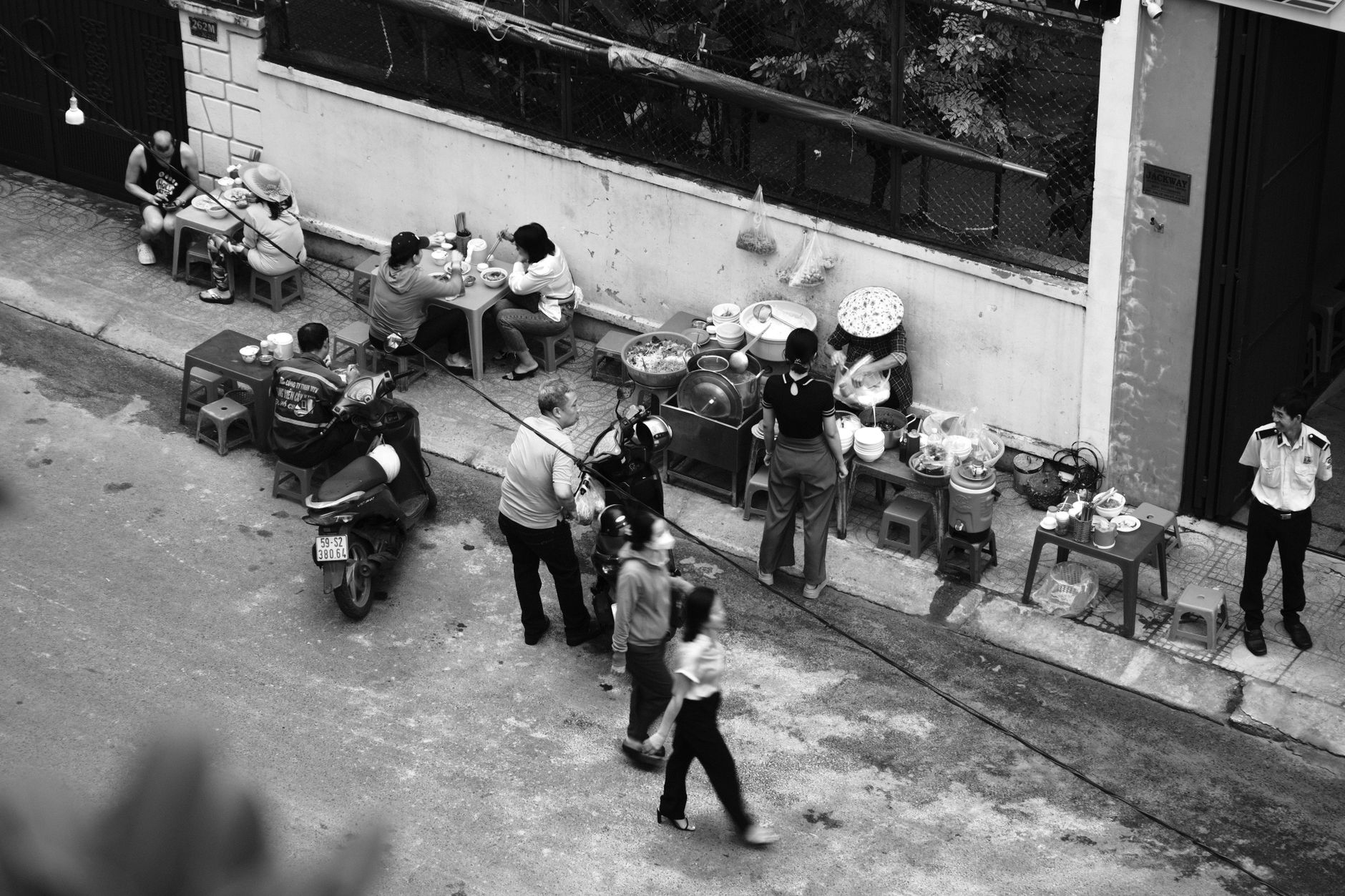
A street food tour in Vietnam is a guided walk through markets, alleyways, and neighbourhood stalls where you taste regional specialties while a local host explains ingredients, cooking methods, and food culture. Tours typically run 2–4 hours, include 5–8 tastings, and cost between breakfast and lunch prices depending on location and group size; most operate in Hanoi's old quarter, Hoi An's market lanes, or Saigon's riverside alleys. Before booking, ask: Are you eating from street carts or sit-down stalls? Who leads—a professional guide or someone who actually cooks here? What if you're vegetarian or have allergies? Does the tour avoid overcrowded tourist spots? We at Cáo Experiences run street food and market tours where a host from that neighbourhood takes your small group to places they eat themselves, adapting for dietary needs and teaching you what to look for—colour, steam, queues, time of day—so you can do this alone later. Ask about dates on WhatsApp
Are street food tours safe for sensitive stomachs?
Yes, if you ask the right questions first. The biggest risk isn't the food—it's tap water, ice, and eating at a stall that rotates ingredients slowly. Ask your host: Which stalls have been here 5+ years? Do locals eat there right now? Can I watch the cooking start-to-finish? Stick to hot food, avoid ice and raw vegetables from unknown sources, eat where there's a crowd, and ask us to brief you on symptoms and nearby clinics before you start. Most travellers with careful habits eat fine; those who skip these steps sometimes regret it.

What's the difference between a tour guide and a local host?
A tour guide reads from a script and earns commission if you buy souvenirs; a local host cooks or eats in that neighbourhood and earns by taking you where they'd go. A guide points at a stall; a host introduces the owner's family, asks what's fresh today, and negotiates your portion. On our street food and market tours, your host is someone rooted there—they know which vendor just opened, which recipe changed, what's seasonal. You'll taste fewer items, but each one matters more, and you'll leave with real skills, not a list of "must-try" items you could Google.
Should you book a private or group session?
| Setup | Group (4–8 people) | Private (1–4 people) |
|---|---|---|
| Pace | Moves faster, one itinerary | Your speed, requests honoured |
| Cost per person | Lower | Higher per person |
| Interaction | Meet other travellers, shared energy | All questions answered |
| Flexibility | Set time, set route | Reschedule if rainy, change route mid-walk |
| Best for | Solo travellers, couples, first-timers | Families with kids, dietary needs, specific interests |
Both work. Groups create buzz and you meet people; private tours let a host adapt if your child gets tired, if you want to spend 30 minutes learning how one vendor makes pho, or if you're vegan and need to scout ahead. Ask us what dates we're running groups and what it costs to book private—we'll help you choose.
What questions reveal a mediocre tour before you book?
Ask these five questions by WhatsApp or email before you commit:
- How many people maximum? (More than 10 = assembly line, less than 15 minutes per stall.)
- Who leads? (If they can't name themselves or describe what they cook, they're not local enough.)
- Can you show me the route 48 hours ahead? (Transparent hosts do; those who won't might be flexible with tourist spots.)
- What happens if I'm vegetarian? (Good answer: "We've scouted three vendors who cater to this." Bad: "You can pick and choose.")
- What if it rains? (Good: "We reschedule or move to a covered market." Bad: "Tours run rain or shine.")
If a host hesitates or offers vague answers, find another. The best street food tours feel like walking with a friend who knows the neighbourhood, not a transaction.
Do you need language skills to enjoy a tour?
No—most tours happen in English, and food transcends language. What matters more: curiosity and willingness to eat something unfamiliar. If you don't know what a stall sells, ask your host to order for you; this also shows respect and usually gets you the best portion. On our street food and market tours, we explain what you're eating—the name, the region it comes from, which ingredient makes it special—so you taste with understanding, not just appetite. Afterwards, you'll recognize those names if you see them on a menu, and you'll know how to order by pointing and watching others.
What should you bring and wear on a street food tour?
Wear comfortable walking shoes—you'll cover 2–3 km over uneven pavements and market floors. Bring a small backpack with a water bottle (refillable; we show you where), wet wipes, sunscreen, and cash in small notes (many vendors don't accept cards, and exact change speeds things up). Wear loose, light clothes; markets are hot and crowded. Avoid strong perfume—it competes with aromas and can distract your host while they're negotiating. A camera or phone is fine, but put it away while eating; the best memory is the taste, and taking photos mid-bite looks rushed.
How do street food tours connect to other hands-on experiences?
If you love the culture side of a street food tour, you might want to dig deeper. A Vietnamese cooking class teaches you to make the dishes you tasted; a tea experience shows you how Vietnamese hospitality works; a farm and countryside experience reveals where ingredients come from. Many guests do a street food tour first to taste what excites them, then book a class to learn the technique. Others start with a Vietnamese coffee workshop to understand one product deeply, then branch into food tours. Each experience builds on the others—food is the thread.
What to check before you book
- Dates and times. Ask if the host runs fixed groups or custom private sessions. Some tours work best early morning (6–8 a.m. for breakfast stalls) or late afternoon (4–6 p.m. for snacks).
- Exact neighbourhood. Ask which part of town: old quarter, market area, riverside, or residential lane? Each has different vibes and specialties.
- Dietary needs. Tell your host everything: vegetarian, vegan, allergies, spice sensitivity, shellfish, nuts. They'll plan ahead.
- Group size. Confirm the max—if it says "up to 8" and you want a quieter experience, ask if they ever run smaller groups.
- What's included. Does the price cover all tastings, or do some cost extra? Does it include a drink?
- Cancellation and rain policy. What if weather closes markets or your group member gets sick?
- Language. Confirm the tour runs in English, and ask if your host speaks other languages if that matters.
Ask these by WhatsApp before you pay—no good host will rush you. We answer detailed questions on the first chat; if they don't, keep looking.

FAQ
Can you do a street food tour if you're vegetarian?
Yes, but tell your host in advance so they scout the right stalls. Most Vietnamese markets have abundant vegetable vendors, tofu specialists, and egg-based dishes. A good host will build a whole itinerary around plant foods and explain the cooking methods so you understand what you're eating.
How much cash should you bring on a street food tour?
Bring enough to cover your tour fee and maybe 30% extra for impulse buys at the market afterwards. Vendors rarely give change for large notes, so bring coins and small bills. Ask your host what denominations work best in that neighbourhood.
What's the difference between a street food tour and a cooking class?
A tour is taste and story—you eat what others made and learn the culture. A class is hands-on—you shop, prep, cook, then eat your own food. Many guests do both: tour first to find what excites them, class second to learn the technique.
Do street food tours work for kids and teenagers?
Yes, they often enjoy tours more than adults because eating is play. Kids get tired faster, so ask about shorter routes (1.5–2 hours) and confirm the stalls serve mild flavours. Teens love the independence of trying unfamiliar food and learning to navigate a market like locals do.
What happens if you get sick after a street food tour?
Most travellers don't. Stick to hot food, avoid tap water, and eat at busy stalls. If you do feel unwell, tell your host—they know which clinic is nearest and what symptoms matter. Before your tour, ask your host to brief you on local clinics and the name of your accommodation so they can help if needed.
Can you book a private street food tour with your family?
Yes—private tours adapt for families with young kids, dietary needs, and varying energy levels. Your host can slow down at stalls your kids like, skip the ones that aren't suitable, and adjust the route to rest spots if anyone's tired. These tours often run shorter (1.5–2 hours) to keep kids engaged.
Ask about dates
Tell us the city, your dates and what you would like to try. We reply on WhatsApp in English with options and availability.
FAQ
Can you do a street food tour if you're vegetarian?
Yes, but tell your host in advance so they scout the right stalls. Most Vietnamese markets have abundant vegetable vendors, tofu specialists, and egg-based dishes. A good host will build a whole itinerary around plant foods and explain the cooking methods so you understand what you're eating.
How much cash should you bring on a street food tour?
Bring enough to cover your tour fee and maybe 30% extra for impulse buys at the market afterwards. Vendors rarely give change for large notes, so bring coins and small bills. Ask your host what denominations work best in that neighbourhood.
What's the difference between a street food tour and a cooking class?
A tour is taste and story—you eat what others made and learn the culture. A class is hands-on—you shop, prep, cook, then eat your own food. Many guests do both: tour first to find what excites them, class second to learn the technique.
Do street food tours work for kids and teenagers?
Yes, they often enjoy tours more than adults because eating is play. Kids get tired faster, so ask about shorter routes (1.5–2 hours) and confirm the stalls serve mild flavours. Teens love the independence of trying unfamiliar food and learning to navigate a market like locals do.
What happens if you get sick after a street food tour?
Most travellers don't. Stick to hot food, avoid tap water, and eat at busy stalls. If you do feel unwell, tell your host—they know which clinic is nearest and what symptoms matter. Before your tour, ask your host to brief you on local clinics and the name of your accommodation so they can help if needed.
Can you book a private street food tour with your family?
Yes—private tours adapt for families with young kids, dietary needs, and varying energy levels. Your host can slow down at stalls your kids like, skip the ones that aren't suitable, and adjust the route to rest spots if anyone's tired. These tours often run shorter (1.5–2 hours) to keep kids engaged.
More like this
Street food and market tours
Best Street Food Tour in Sapa: What to Expect, How to Choose
Street food tours in Sapa connect you with hill-town cooks and night markets. We'll walk you through what these sessions offer, who they're for, and how to avoid common missteps.
Street food and market tours
Best Street Food Tour in Hue: What to Choose, Who It's For
A street food tour in Hue isn't one thing—it's a choice between styles, neighborhoods, and paces. We break down what actually happens on each type, and how to know which fits your group.
Street food and market tours
Best Food Walking Tour in Vietnam: Hanoi Street Food Guide
A food walking tour in Vietnam immerses you in bustling markets and street lanes where vendors have cooked the same dishes for decades. We show you what to taste, how to order, and the stories behind each bite.