
Home › Blog › Street food and market tours
Street Food Tour Vietnam for American Travelers: What to Eat & How to Prepare
By the Cáo Experiences team · 2026-11-06
A street food tour in Vietnam for American travelers is a guided walk through a specific neighborhood—typically the old quarter of Hanoi, District 1 in Ho Chi Minh City, or the riverside lanes of Hoi An—where you stop at 5–8 family-run stalls and carts to eat rice paper rolls, pho, bánh mì, grilled meats, and egg coffee alongside locals. Tours run 3–4 hours (usually early morning or evening when vendors are busiest) and include tastings at each stop, vendor stories, and practical tips on what's safe to eat. Cáo Experiences runs street food and market tours in Hanoi, Saigon, Hoi An, and Da Nang with English-speaking hosts who know which stalls have the highest turnover (a sign of safety), which dishes suit vegetarians or those with allergies, and how to order confidently. Ask us for dates and a quote on WhatsApp: Ask about dates on WhatsApp
What Street Food Should American Travelers Actually Try?
The safest and most rewarding dishes are those cooked to order in front of you and eaten fresh: pho (beef or vegetarian broth with rice noodles), bánh mì (crusty bread with grilled meat, pâté, and pickled vegetables), bánh cuốn (rolled rice paper with pork and mushroom), and egg coffee (sweetened condensed milk whipped with egg yolk). Avoid raw vegetables and unpeeled fruit from unknown vendors. Grilled items (satay sticks, grilled squid, meat on skewers) are safe because heat kills pathogens. The rule: eat where there's a queue of locals and high turnover—stale food doesn't survive lunch at a busy corner stall. Vegetarian options are abundant: spring rolls with just vegetables and tofu, cơm tấm (broken rice) with egg and cucumber, and bánh chưng (sticky rice cake with beans). Skip anything sitting under a warmer for hours, ice made from tap water, or peeled fruit from a vendor without refrigeration. On a street food and market tour with us, your host points out these markers in real time and orders for you, removing the guesswork and letting you focus on flavor and conversation.
How Do You Know a Street Food Stall Is Actually Safe?
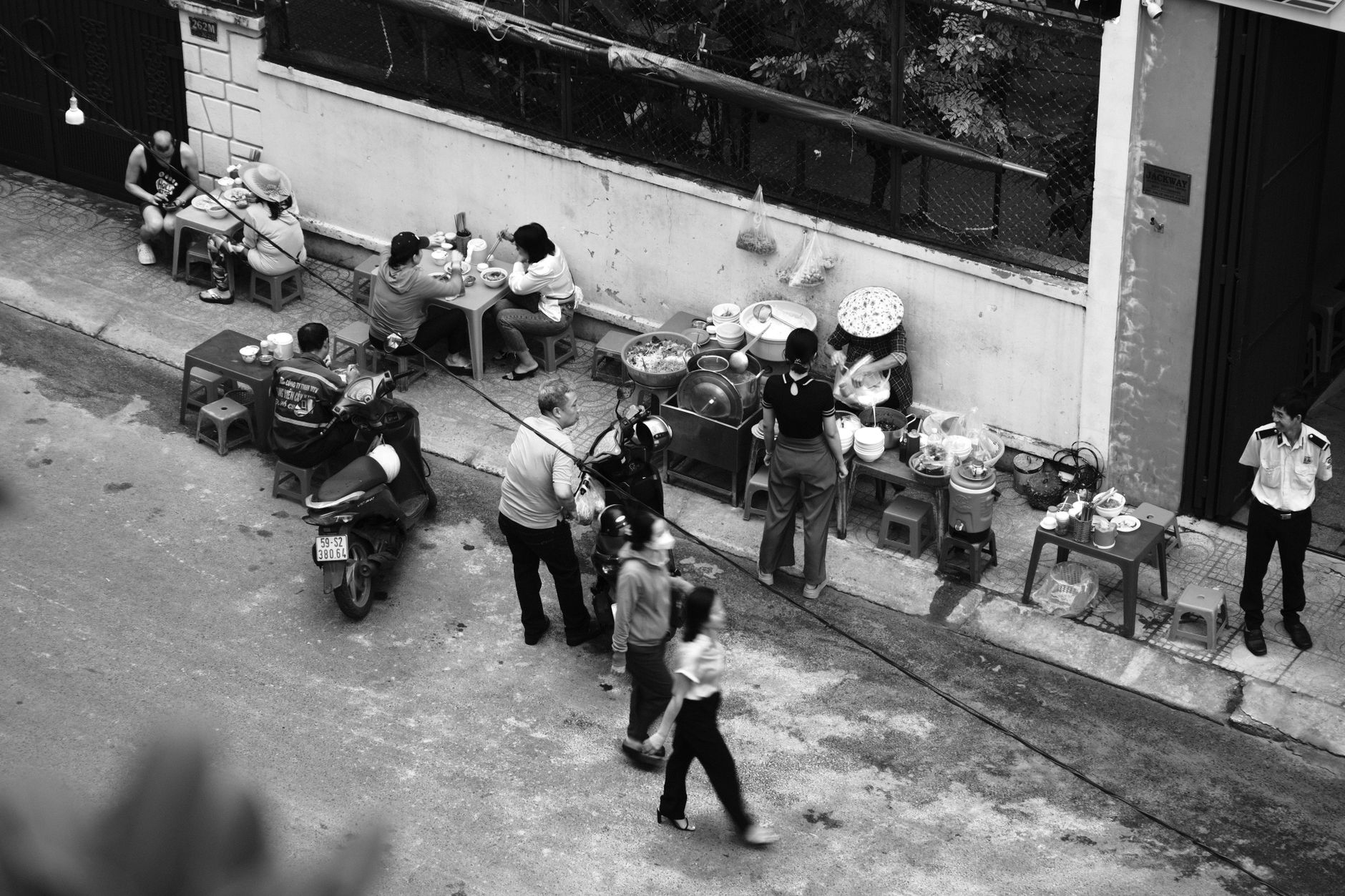
The single best indicator is turnover: if there's a line and bowls are being cleared every 5–10 minutes, the food is fresh and the vendor depends on reputation. Look for hand-washing stations (a bucket or hose nearby) and cooked ingredients that aren't sitting under heat longer than necessary. Busy stalls at dawn—when pho vendors are finishing their overnight broth or bánh mì stands are assembling the day's first sandwiches—are safer than mid-afternoon locations where food has been resting. Avoid anything with mayo or meat pâté that's been left unrefrigerated for hours in warm weather. Ask locals at your hotel or guesthouse which stalls they eat at daily; word-of-mouth from residents beats travel blogs. Street vendors in Hanoi's old quarter, for example, often operate from the same spot for decades and build their entire business on not poisoning customers. A guide from Cáo Experiences knows these stalls by name, has eaten at them regularly, and can vouch for their standards—a massive advantage if you're nervous.
What's the Difference Between a Market Tour and a Street Food Experience?
| Aspect | Market Walk | Street Food Tour | Who It Suits |
|---|---|---|---|
| Focus | Produce, ingredients, vendor culture | Eating finished dishes, local flavors | Foodies wanting taste, not shopping |
| Duration | 2–3 hours | 3–4 hours | Depends on pace preference |
| What You Eat | Samples of fruit, dried goods | 5–8 full or half-sized meals at stalls | Hungry travelers; vegetarians need notice |
| Walking Pace | Slower, browsing stalls | Moderate, stopping to eat | Those comfortable on their feet |
| Best Time | Early morning (6–8 am) | Early morning or evening (5–7 pm) | Early risers or night-owl foodies |
| Cost Basis | Lower food cost, educational | Higher (more eating), immersive | Families, couples, serious eaters |
A market tour teaches you ingredient sourcing and Vietnamese cooking foundations, perfect if you're also taking a Vietnamese cooking class. A street food tour is pure eating and storytelling, ideal if you want the sensory experience of what locals eat every day without hands-on cooking. Many travelers do both in one trip: market in the morning, cooking class in the afternoon, and street food evening the next day.
What Should You Pack and Wear on a Street Food Tour?
Wear loose, breathable clothing and comfortable walking shoes—you'll be on your feet for 3–4 hours, often on narrow pavements or in tight alleyway sections. Bring a small backpack or crossbody bag (not a large rolling suitcase; space is tight). Essentials: a reusable water bottle (we refill at safe sources), a small notebook if you like recording vendor names or recipes, and cash in Vietnamese dong (many stalls don't take cards; your host can advise on ATM stops). Sunscreen and a hat for daytime tours. Wear clothes you don't mind getting splashed—sauce, soup steam, and charcoal residue are real. Closed-toe shoes are safer around grills and hot oil. A small pack of tissues (vendors often don't have napkins) and hand sanitizer help if you're cautious between stops. Avoid large jewelry or cameras that draw unwanted attention. Most importantly, come with an open stomach and appetite: you'll be eating continuously, so skip heavy breakfast or lunch beforehand.

Should You Worry About Digestive Issues—and How to Prevent Them?
Most American travelers adjust well because street food is fresh and cooked hot. The real culprits are: drinking tap water, eating peeled fruit or raw vegetables from unknown sources, and overeating rich foods after traveling on a plane. Your body is also adjusting to different bacteria, herbs, and spices—not "bad food," but unfamiliar food. Start with light stall stops (broths, mild dishes) before moving to heavy grilled meats or fried items. Eat when vendors are actively cooking, not from a warming tray. Stay hydrated with bottled water. Bring a simple antacid or probiotic if you know your stomach is sensitive. Many travelers eat street food daily in Vietnam for weeks without problems; the key is common sense and not mixing hygiene standards you'd never accept at home. On our tours, your host has eaten at every stall we stop at—we're living proof they're safe. If you have a diagnosed allergy or significant dietary concern, mention it when you book on WhatsApp so we source stalls or create a custom itinerary.
How Do You Actually Order and Eat Without Speaking Vietnamese?
Your host orders for you at each stop, translating the stall's daily specials and checking for ingredients you want to avoid. Most vendors speak a few English words ("chicken," "beef," "pork," "no spice") and understand hand gestures. You point, nod, or let your guide order a sample. Eating is straightforward: sit on a plastic stool, use the chopsticks and spoon provided, slurp soup loudly (it's polite and keeps noodles cool), and ask your host questions about flavors or preparation. Many stalls have no menu—you eat what the vendor made that morning. Part of the joy is this unpredictability. Your guide tells you what you're eating before each bite, so there are no surprises if you have allergies. Don't worry about etiquette: street diners are casual, and vendors expect tourists. Eat at whatever pace feels comfortable, and take photos if you want—it's normal. The atmosphere is relaxed, social, and—honestly—one of the most authentic parts of visiting Vietnam.
See how a session runs
What to Check Before You Book
- Group size: We run small groups (4–8 people, average) and private tours. Larger groups splinter focus; intimate groups ask better questions.
- Time of day: Early morning (6–8 am) or early evening (5–7 pm) catches vendors at peak freshness. Midday is hotter and slower.
- Your fitness level: Expect 1.5–2 miles of walking on uneven pavements and slopes. Not a hiking tour, but not suitable if stairs cause pain.
- Allergies or strict diets: Tell us at booking, not the morning of. Vegetarian is always easy. Vegan and severe allergies need advance scouting.
- Weather: Tours run in light rain (street stalls keep operating).
- Photography: Vendors are generally happy to be photographed while working. Ask your host if you're unsure about a specific stall.
For deeper hands-on learning—how to make these dishes yourself—consider pairing a street food tour with a Vietnamese cooking class. Many travelers find that eating first, then cooking the same meals, locks the flavors and techniques into memory.
See how a session runs
Pages from our team you may need
FAQ
Is street food in Vietnam safe for tourists with sensitive stomachs?
Street food is safer than you might expect if you follow one rule: eat where there's high turnover and hot cooking. Tap water, raw vegetables, and unrefrigerated pâté are the real risks, not the stalls themselves. Your guide eats at every stop we recommend, and we avoid anything sitting under heat too long. Many travelers with IBS or reflux eat street food daily without incident because the dishes are fresh and cooked to order. Start light, eat when vendors are actively cooking, and stay hydrated with bottled water.
What if I'm vegetarian—are there enough options?
Absolutely. Rice paper rolls with tofu and herbs, vegetable bánh mì, cơm tấm with egg and greens, and noodle soups with vegetable broth are everywhere. We source stalls with vegetarian options and note them when you book. Vegans need advance notice so we find egg-free and dairy-free variations, but it's entirely manageable in Vietnam.
Do I need to speak Vietnamese to join a street food tour?
No. Your host speaks fluent English and orders for you at each stop, translating specials and checking for allergies. Most vendors understand basic English or hand signals. The tour is designed so you listen, eat, and ask questions—no language skills required.
How much eating is involved—will I be too full?
Expect 5–8 small tastings or half-portions (a bowl of pho, a bánh mì, a few spring rolls), not five full meals. Portions at street stalls are smaller than restaurant plates. We pace stops so you eat comfortably, and you can always decline or share a portion with a tour mate. Come hungry but not starving.
Can I do a private street food tour for a small group (4–6 friends)?
Yes. Private tours let us customize stops based on your group's tastes, allergies, or pace. We work around your schedule and can add a cooking class or coffee workshop the same day. Ask for a quote and available dates on WhatsApp.
Ask about dates
Tell us the city, your dates and what you would like to try. We reply on WhatsApp in English with options and availability.
FAQ
Is street food in Vietnam safe for tourists with sensitive stomachs?
Street food is safer than you might expect if you follow one rule: eat where there's high turnover and hot cooking. Tap water, raw vegetables, and unrefrigerated pâté are the real risks, not the stalls themselves. Your guide eats at every stop we recommend, and we avoid anything sitting under heat too long. Many travelers with IBS or reflux eat street food daily without incident because the dishes are fresh and cooked to order. Start light, eat when vendors are actively cooking, and stay hydrated with bottled water.
What if I'm vegetarian—are there enough options?
Absolutely. Rice paper rolls with tofu and herbs, vegetable bánh mì, cơm tấm with egg and greens, and noodle soups with vegetable broth are everywhere. We source stalls with vegetarian options and note them when you book. Vegans need advance notice so we find egg-free and dairy-free variations, but it's entirely manageable in Vietnam.
Do I need to speak Vietnamese to join a street food tour?
No. Your host speaks fluent English and orders for you at each stop, translating specials and checking for allergies. Most vendors understand basic English or hand signals. The tour is designed so you listen, eat, and ask questions—no language skills required.
How much eating is involved—will I be too full?
Expect 5–8 small tastings or half-portions (a bowl of pho, a bánh mì, a few spring rolls), not five full meals. Portions at street stalls are smaller than restaurant plates. We pace stops so you eat comfortably, and you can always decline or share a portion with a tour mate. Come hungry but not starving.
Can I do a private street food tour for a small group (4–6 friends)?
Yes. Private tours let us customize stops based on your group's tastes, allergies, or pace. We work around your schedule and can add a cooking class or [coffee workshop](/coffee-workshop) the same day. Ask for a quote and available dates on WhatsApp.
More like this
Street food and market tours
Best Street Food Tour in Sapa: What to Expect, How to Choose
Street food tours in Sapa connect you with hill-town cooks and night markets. We'll walk you through what these sessions offer, who they're for, and how to avoid common missteps.
Street food and market tours
Best Street Food Tour in Hue: What to Choose, Who It's For
A street food tour in Hue isn't one thing—it's a choice between styles, neighborhoods, and paces. We break down what actually happens on each type, and how to know which fits your group.
Street food and market tours
Best Food Walking Tour in Vietnam: Hanoi Street Food Guide
A food walking tour in Vietnam immerses you in bustling markets and street lanes where vendors have cooked the same dishes for decades. We show you what to taste, how to order, and the stories behind each bite.