
Home › Blog › Street food and market tours
Street Food Tour Vietnam for Australian Travelers: What to Expect
By the Cáo Experiences team · 2026-11-06
A street food tour in Vietnam is a 3–4 hour walk through markets, laneways and stalls in cities like Hanoi, Ho Chi Minh City or Hoi An, where you taste 6–10 dishes (bánh mì, phở variants, spring rolls, fresh herbs, sticky rice, grilled meats, desserts) while learning vendor stories and food history. Tours run year-round; most suit all fitness levels and dietary needs. Australians often worry about hygiene and spice—both manageable if you go with a trusted host who knows which stalls are safest and can negotiate portions. Cáo Experiences runs street food and market tours in English with WhatsApp booking; we pick venues by water quality, vendor reputation and crowd size. Cost varies by city and group size—ask us for dates and a quote on WhatsApp. Most tours include snacks and water; bring cash (Vietnamese dong), sunscreen and comfortable shoes.
What makes Vietnam's street food different from what Australians eat at home?
Vietnamese street food prioritizes fresh herbs, texture contrast and balance—not heavy sauces. You'll encounter herbs like mint, cilantro and dill that Australians rarely eat raw in quantity; dipping sauces (fish sauce, chili, lime) that taste intense at first; and meats cooked to order over charcoal or in pots, not pre-made. Stalls often serve one or two dishes only, perfected over decades. Unlike Australian café culture, vendors work from 5 a.m. or sell only at lunch or dinner—timing matters. The core difference: Vietnamese street food is fast, affordable, live-cooked and meant to be eaten standing up or on a plastic stool. You're eating what locals eat, not a tourist version.
Why do Australians worry about street food safety—and what's actually safe?
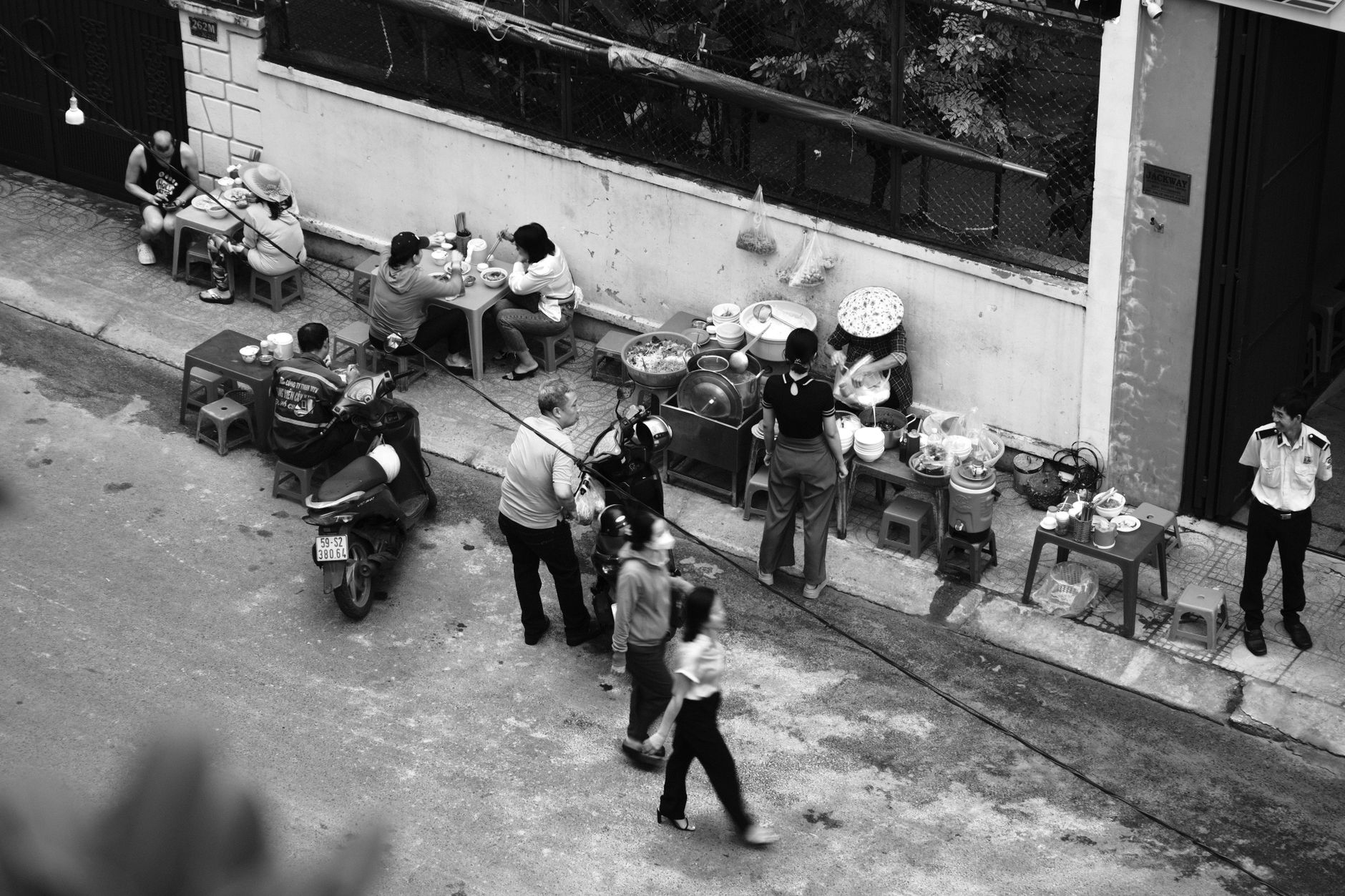
Australians are raised with strict food-safety standards; Vietnam's street food looks chaotic by comparison—raw herbs piled on carts, cooked meat left at room temperature, water from communal buckets. Real risks exist: contaminated water, poor hand hygiene, unrefrigerated proteins. But busy stalls with high turnover are statistically safer than quiet ones; clear water sources (sealed bottles, filtered systems) are safer than tap; and vendors who serve locals (not just tourists) have reputation to protect. On street food and market tours with Cáo Experiences, we guide you to stalls we've vetted—vendors we know, water systems we've checked, times we've tested. We also brief you on which stalls to skip and how to eat safely: wash your hands with bottled water first, avoid ice, choose cooked-to-order over pre-cooked, eat where crowds gather.
How do you handle allergies, dietary rules and spice levels on a tour?
We ask about allergies and diets when you book on WhatsApp. Most stalls can skip peanuts, offer vegetarian versions, or swap fish sauce for salt. Spice is negotiable—vendors adjust chili on request. Shellfish and pork are common; we signal you before you eat. Australians often underestimate Vietnamese chili; we help you build tolerance gradually and always have yogurt, rice or bread nearby to cool your mouth. If you're celiac, vegetarian, Muslim or have a nut allergy, tell us at booking—we'll map a route that works. Kids often love the fresh spring rolls and grilled skewers; seniors prefer mid-morning tours (less heat, fewer crowds) and we choose stops with seating. Pregnant travelers should avoid raw herbs at unknown stalls and stick to cooked proteins; we manage this upfront.
What's the difference between a street food tour in Hanoi, Ho Chi Minh City and Hoi An?
City | Signature foods | Tour pace | Best for | Why it matters ---|---|---|---|--- Hanoi | Phở, bánh mì, egg coffee, snail soup, grilled fish cakes | Slow; narrow laneways, stops at family kitchens | Culture-focused travelers, early risers | Old Quarter vendors work dawn–11 a.m.; tours must start early Ho Chi Minh City | Bánh mì thịt nướng, bánh canh, cơm tấm, seafood rolls, fresh tropical fruits | Fast; big markets, street stalls, higher foot traffic | Food-quantity lovers, photographers | Ben Thanh Market is 24-hour; Australians often jet-lagged and available midday Hoi An | Cao lầu, bánh hoai, white roses, fresh herbs, fish cakes | Moderate; riverside walks, heritage lanes | Relaxed pace, sunset food tours | Ancient Town charm; smaller stalls, fewer crowds, easier to chat with vendors
Hanoi suits you if you want ritual and early mornings; Ho Chi Minh City if you want volume and variety; Hoi An if you want slower pace and heritage. We run tours in all three—ask us which fits your dates and interests.

What should you wear and bring on a street food tour?
Wear light, breathable clothing (cotton or linen), closed-toe shoes with grip (wet market floors are slippery), and a hat or cap. Bring a small backpack with: 500,000–1,000,000 Vietnamese dong in cash (most stalls don't take cards); a reusable water bottle (we refill at filtered sources); sunscreen and lip balm; a small towel or handkerchief (to wipe your hands); and a phone (for photos and WhatsApp contact with your host). Leave the large camera at the hotel—you'll move fast and eat with your hands. Don't wear perfume or strong deodorant (you'll smell like food after). Bring a light rain jacket if it's monsoon season (May–September in the north; September–November in the south); we reschedule or shorten tours in heavy rain, but light drizzle doesn't stop us. Australians often underestimate the sun at 7 a.m.—apply sunscreen before you leave.
How do you actually book a street food tour, and what happens on the day?
You message us on WhatsApp with your city, dates, group size and dietary needs. We propose 2–3 dates and tell you meeting time and point (usually a café or market entrance). You confirm, and we send a WhatsApp reminder 24 hours before. On the morning, we meet you 10–15 minutes early to brief you: which stalls we're hitting, how much cash to carry, what to expect from vendors. We then walk to the first stall (usually 5–10 minutes), you watch the vendor cook, we buy a portion for you to taste, and we explain the ingredients and history while you eat. We move through 6–10 stalls over 3–4 hours, stopping for water and shade. You eat standing, sitting on stools or walking. We take photos, answer questions, and translate vendor chats. At the end, we point you to a café or restaurant if you're still hungry, and exchange numbers if you want to book a Vietnamese cooking class or coffee workshop later.
What to check before you book
- Your stomach: Have you traveled to Southeast Asia before? If not, start with gentle stalls and build tolerance over days.
- Your schedule: Tours run year-round but morning (6–10 a.m.) in Hanoi, midday (10 a.m.–2 p.m.) in Ho Chi Minh City, and late afternoon (4–7 p.m.) in Hoi An suit vendors' schedules.
- Your group: Tours work for solo travelers, couples, families (kids 8+) and groups up to 12. Larger groups we split or run back-to-back.
- Rainy season: May–September in the north, September–November in the south—we still run but shorten walks and skip outdoor markets if flooding is forecast.
- Jet lag: Book your tour for day 2 or 3, not arrival day; your stomach needs time to adjust.
- Allergies: Tell us everything—peanuts, shellfish, pork, gluten, dairy—at booking so we map a safe route.
Pages from our team you may need
FAQ
Is Vietnamese street food actually safe to eat as an Australian tourist?
Yes, if you choose busy stalls with high turnover and clear water sources. Vendors serving locals daily have reputation to protect. We vet every stall before taking guests. Real hygiene issues exist (contaminated water, poor hand washing) but are rare at reputable stalls. Bring hand sanitizer and avoid pre-cooked food left at room temperature.
What's the most common beginner mistake Australians make on a street food tour?
Eating too much too fast and underestimating spice. Vietnamese vendors serve small portions meant to be eaten with a group or over an hour. Start with one dish per stop, drink water between stalls, and ask vendors to reduce chili if you're unsure. Most Australians adjust by stop 3.
Can I do a private tour for my family instead of a group tour?
Yes. Private tours are slower, allow more stops for kids, and we adapt timing to your energy. Book on WhatsApp and ask about private pricing. Families with children under 8 often prefer private so kids can sit and rest between stalls.
Will a street food tour work if I'm vegetarian or vegan?
Absolutely. Tell us at booking. Most vendors have vegetable stalls, tofu dishes, and herb-based soups. We'll map a route with restaurants that cater to plant-based diets. Some stalls use fish sauce in everything, so we steer you to ones that don't or make substitutions.
How much cash do I need for a street food tour?
500,000–1,000,000 Vietnamese dong (roughly AUDa quoted price) covers 6–10 dishes, water refills and snacks. Bring extra if you want to buy packaged goods from vendors. Most street stalls are cash-only; ATMs are within 5 minutes of most markets.
What if it rains during the tour?
Light rain doesn't stop us; we just walk faster between stalls. Heavy rain or flooding—we reschedule. Check the forecast morning-of; we'll message you by 7 a.m. if we're moving the tour. Bring a compact umbrella or rain jacket just in case. --- Ask about dates on WhatsApp Want to go deeper? Our experiences in Hanoi and experiences in Ho Chi Minh City pages list other food and culture tours you can combine with a street food walk. Many guests follow a tour with a Vietnamese cooking class to learn how street ingredients become home meals—or a coffee workshop to taste morning rituals like Vietnamese egg coffee.
Ask about dates
Tell us the city, your dates and what you would like to try. We reply on WhatsApp in English with options and availability.
FAQ
Is Vietnamese street food actually safe to eat as an Australian tourist?
Yes, if you choose busy stalls with high turnover and clear water sources. Vendors serving locals daily have reputation to protect. We vet every stall before taking guests. Real hygiene issues exist (contaminated water, poor hand washing) but are rare at reputable stalls. Bring hand sanitizer and avoid pre-cooked food left at room temperature.
What's the most common beginner mistake Australians make on a street food tour?
Eating too much too fast and underestimating spice. Vietnamese vendors serve small portions meant to be eaten with a group or over an hour. Start with one dish per stop, drink water between stalls, and ask vendors to reduce chili if you're unsure. Most Australians adjust by stop 3.
Can I do a private tour for my family instead of a group tour?
Yes. Private tours are slower, allow more stops for kids, and we adapt timing to your energy. Book on WhatsApp and ask about private pricing. Families with children under 8 often prefer private so kids can sit and rest between stalls.
Will a street food tour work if I'm vegetarian or vegan?
Absolutely. Tell us at booking. Most vendors have vegetable stalls, tofu dishes, and herb-based soups. We'll map a route with restaurants that cater to plant-based diets. Some stalls use fish sauce in everything, so we steer you to ones that don't or make substitutions.
How much cash do I need for a street food tour?
500,000–1,000,000 Vietnamese dong (roughly AUD $35–$65) covers 6–10 dishes, water refills and snacks. Bring extra if you want to buy packaged goods from vendors. Most street stalls are cash-only; ATMs are within 5 minutes of most markets.
What if it rains during the tour?
Light rain doesn't stop us; we just walk faster between stalls. Heavy rain or flooding—we reschedule. Check the forecast morning-of; we'll message you by 7 a.m. if we're moving the tour. Bring a compact umbrella or rain jacket just in case. --- [💬 Ask about dates on WhatsApp](https://wa.me/84338762340) Want to go deeper? Our [experiences in Hanoi](/destinations/hanoi) and [experiences in Ho Chi Minh City](/destinations/ho-chi-minh-city) pages list other food and culture tours you can combine with a street food walk. Many guests follow a tour with a [Vietnamese cooking class](/cooking-class) to learn how street ingredients become home meals—or a [coffee workshop](/coffee-workshop) to taste morning rituals like Vietnamese egg coffee.
More like this
Street food and market tours
Best Street Food Tour in Sapa: What to Expect, How to Choose
Street food tours in Sapa connect you with hill-town cooks and night markets. We'll walk you through what these sessions offer, who they're for, and how to avoid common missteps.
Street food and market tours
Best Street Food Tour in Hue: What to Choose, Who It's For
A street food tour in Hue isn't one thing—it's a choice between styles, neighborhoods, and paces. We break down what actually happens on each type, and how to know which fits your group.
Street food and market tours
Best Food Walking Tour in Vietnam: Hanoi Street Food Guide
A food walking tour in Vietnam immerses you in bustling markets and street lanes where vendors have cooked the same dishes for decades. We show you what to taste, how to order, and the stories behind each bite.