
Home › Blog › Street food and market tours
Street Food Tour Vietnam for Indian Travelers: Spice-Smart Guide
By the Cáo Experiences team · 2026-11-06
Vietnamese street food tours designed for Indian travelers prioritize spice tolerance, ingredient transparency, and vegetarian options. Most tours run 3–4 hours through urban markets or old-quarter lanes, sampling 5–8 dishes with a local English-speaking guide who explains heat levels, allergens, and cooking methods upfront. Cáo Experiences runs small-group and private street food and market tours in Hanoi, Saigon, Hoi An, and Da Nang, hosted in English with WhatsApp coordination; we adapt portions, skip fish sauce or shrimp paste on request, and pair tours with Vietnamese cooking classes so you learn why dishes taste as they do. Tours include walking snacks and water; cost varies by group size and location—ask us for dates and a quote on WhatsApp. Main avoidance: booking generic tours that don't flag chili intensity or assume all guests eat everything. Ask about dates on WhatsApp
Why Indian palates often love Vietnamese street food
Indian and Vietnamese cuisines overlap more than many travelers expect. Both rely on turmeric, fresh coriander, lime, and chili heat; Vietnamese dishes often skip cream and rely instead on herb brightness and aromatic oils. If you enjoy dal, curries with lemongrass, and street snacks with tamarind or chili, Vietnamese lanes will feel adventurous yet legible. The shock comes from speed of service, portion size, and reliance on raw herbs as garnish rather than base. Most Indian travelers find they can navigate 70–80% of a street food tour without modification; the remaining 20% (fish sauce, shrimp paste, offal-based broths) can be skipped or substituted. A guide who knows both cuisines spots these parallels and helps you build confidence faster. Joining a street food and market tour with a host trained to work with Indian dietary preferences eliminates the anxiety of pointing at unknown stalls.
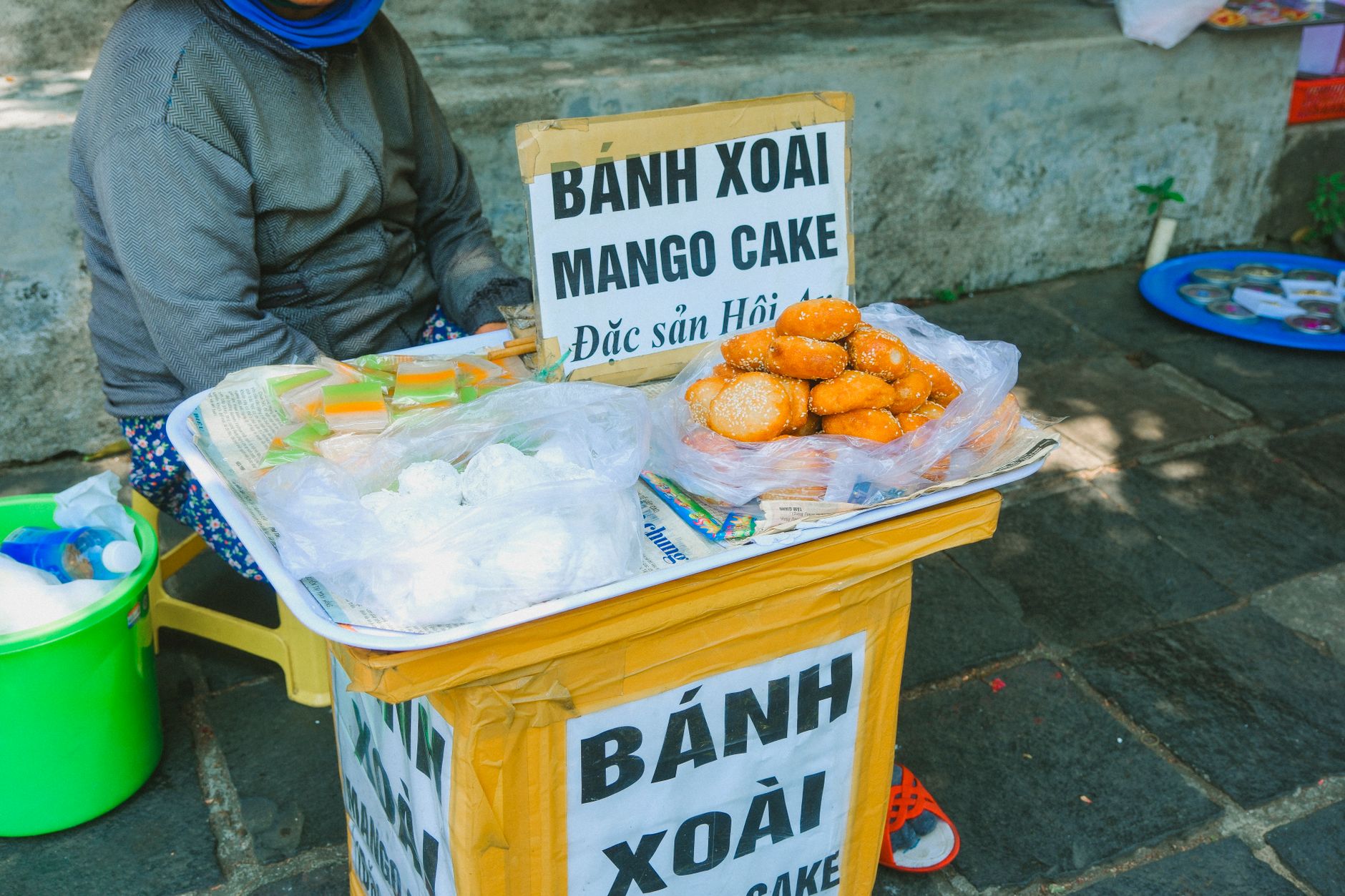
What dishes usually appear on Indian-friendly street tours?
A typical tour samples: bánh mì (cold or warm, easy to modify for vegetarian), phở (rice noodle soup you customize at the table), bánh cuốn (rolled rice cake with pork or mushroom), chả cá (turmeric fish, or substituted with tofu), spring rolls (fried or fresh, often vegetarian), cơm tấm (broken-rice comfort bowl), and iced coffee or fresh sugar-cane juice. Heat levels vary by stall; a bánh mì might be mild, while a bowl of bún chả (charred pork with dipping sauce) can spike suddenly if you add the red chili. Guides point out which condiments to use cautiously and which to skip entirely. Vegetarian dishes exist at almost every stop—mushroom bánh cuốn, tofu in phở, vegetable spring rolls—but require saying "rau" (vegetable) or nodding to your guide. A street tour isn't a sit-down meal; you walk, eat small portions standing or on a low plastic stool, drink water, and move on. This rhythm suits Indian travelers accustomed to street snacking in Mumbai, Delhi, or Bangalore.
How do guides help with spice and allergen concerns?
Before a tour starts, your guide asks: "Do you like chili? How much?" and "Any ingredients you don't eat?" We note fish sauce aversion, shellfish allergies, vegetarian or vegan choice, and chili tolerance on a mental map. At each stop, the guide tastes first, warns you ("this one's hot," "this has shrimp paste as a base"), and lets you decide. If a stall's signature dish doesn't suit you, guides know 2–3 alternatives within a five-minute walk. They also explain why something tastes a certain way—"that funk is fermented fish; you can skip it and just eat the noodles"—which removes mystery and fear. Many Indian travelers worry they'll offend a vendor by refusing food; guides handle refusal gracefully and often order a vegetarian variant instead. The guide carries water, suggests when to pause, and reads your energy—if you're flagging after three stops, they extend the rest at a café. Small-group tours (4–6 people) allow more flexibility than large buses; private tours let you set the pace entirely. This is why we emphasize street food and market tours tailored to your group rather than joining a strangers' queue.
Which Vietnamese cities offer the best street food for Indian travelers?
| City | Best for | Street food style | Tour length | Why Indian travelers prefer it |
|---|---|---|---|---|
| Hanoi | Authenticity, chaos | Dense old-quarter lanes, pho and bánh mì epicenters | 3–4 hours | Narrow alleys, multiple vendors per dish type, guide can slow down and explain. High foot traffic, energetic vibe. |
| Saigon (Ho Chi Minh City) | Variety, modern ease | Sprawling markets, roasted meats, tropical drinks, more air-conditioned cafés to rest | 3.5–4.5 hours | Less crowded than Hanoi, easier walking, more vegetarian and fusion options. Climate more intense. |
| Hoi An | Charm, fewer crowds | Riverside lanes, mixed Vietnamese-Chinese heritage dishes, lantern-lit evening tours | 2.5–3 hours | Slower pace, smaller portions, intimate settings. Less chili-heavy; more accessible for first-timers. |
| Da Nang | Coastal seafood, modern | Beach-area markets, fresh fish and shellfish, modern food courts | 3–4 hours | Seafood-focused; best if you eat fish. Less authentic-street-food feel; suits travelers wanting comfort. |
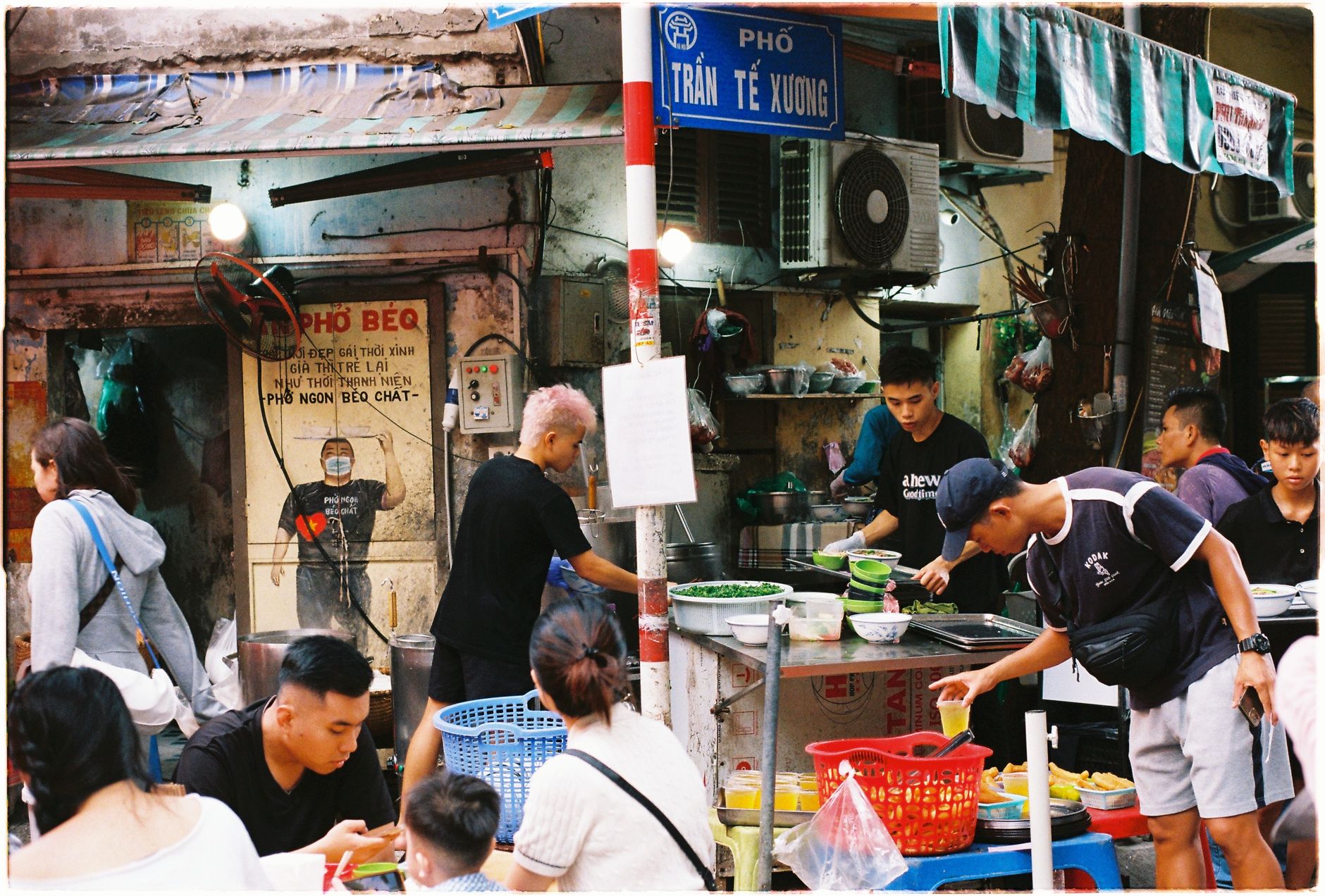
Hanoi suits adventurers seeking "real" street food chaos and deep dives into single-dish mastery (like visiting five phở vendors in succession). Saigon appeals to those wanting variety and more breathing room between stalls. Hoi An is ideal for families, seniors, or travelers on a first Vietnam trip who want guided ease without overwhelming heat or crowds. Each city's guide speaks English fluently and knows which stalls handle ingredient swaps without fuss.

What should you wear, bring, and expect physically?
Wear lightweight, breathable clothing—linen or cotton—and comfortable walking shoes with grip (lanes are wet, oily, and slippery). Bring a small daypack with a water bottle (refilled at stops), a light scarf or hat for sun, and cash in small denominations (most stalls take cash only, though guides can point out ATMs). Expect to walk 2–3 km over 3–4 hours, with frequent stops to eat and rest. Heat and humidity are intense, especially May–September; morning tours (7–9 am) are cooler and less crowded. Tours in rain proceed unless there's flooding; we have umbrellas and pivot to covered markets instead. Seniors and those with knee or hip issues should book private tours and alert the guide upfront—they'll shorten distances, add more sitting breaks, and skip steep or uneven sections. Families with kids under 8 find shorter tours (2 hours) work better; guides adjust portion sizes and heat levels. Vegetarian travelers should confirm in advance; nearly every stall has a plant-based swap, but guides need to know your preferences to optimize the route.
How does a street food tour differ from cooking or market classes?
A street food tour is eating and walking—sensory, social, unscripted. You taste what exists right now, ask questions in real time, and leave when you're satisfied. A Vietnamese cooking class is stationary, hands-on, and ends with a sit-down meal you've prepared. A market class teaches you how to shop—vendor relationships, seasonal produce, pricing—rather than eating as you go. Many Indian travelers combine street food with a cooking class: tour the food stalls on Day 1 to understand flavors and ingredients, then cook on Day 2 to replicate those tastes at home. This pairing costs more but deepens learning. Street tours suit travelers wanting to maximize local eating and social moments; cooking classes suit those wanting to recreate dishes. Both are available in Hanoi, Saigon, Hoi An, and Da Nang through Cáo Experiences.
What to check before you book
Confirm the guide's experience with Indian palates: Ask if they've hosted Indian travelers before and can explain why dishes taste as they do (not just names and prices). Verify the route: Does the tour include vegetarian stops? Will the guide modify a dish on request, or just point you to a nearby stall? Ask about heat levels: Some guides will say "mild," "medium," and "hot," but won't taste-test themselves first; request a guide who samples everything. Check distance and pace: If you're over 60, have joint pain, or tire easily, ask for a private tour with shorter walking distances and more sitting breaks. Confirm weather policy: What happens in heavy rain? Ask about allergen handling: If you have a shellfish or nut allergy, does the guide speak enough Vietnamese to communicate this at each vendor, or will they bring a written card?
FAQ
Is Vietnamese street food safe for Indian travelers, especially regarding water and hygiene?
Street stalls with high foot traffic, quick turnover, and visible food prep (charring, boiling) are generally safer than slow-moving or covered dishes. Guides know which vendors have excellent hygiene habits. Avoid raw salads unless the guide confirms the vendor washes vegetables in clean water. Start with cooked items, and build up if your stomach adapts. Boiled water (phở, cơm tấm) is safest; fresh juices and ice vary. Most Indian travelers accustomed to Delhi street food handle Vietnamese lanes without issue.
Can I do a street food tour if I'm vegetarian or vegan?
Yes. Nearly every stall has a vegetarian swap: mushroom bánh cuốn instead of pork, tofu in phở, vegetable spring rolls, cơm tấm with fried tofu. Alert your guide at the start so they route you to vendors with reliable vegetarian prep areas (some share woks with meat, which may bother strict vegans). Vegan is harder—many dishes use fish sauce or shrimp paste as a base—but guides can point you to tofu and vegetable-forward stalls. Fewer vegan options exist in smaller cities like Hoi An; Saigon has dedicated vegetarian-friendly markets.
What's the difference between chili heat in Vietnamese and Indian food?
Indian chili builds slowly and often comes with cooling yogurt or cream. Vietnamese chili hits fast and lingers; it's fresh red or green chili, often raw, added at the table. Indian spices (cumin, coriander, fenugreek) warm the body; Vietnamese chili is a sharp shock. Start by eating less chili condiment than you would in India; guides will show you the right amount for your tolerance.
How long does a typical street food tour take, and will I get full?
Tours run 3–4 hours with 5–8 tasting stops. You'll eat small portions at each—a bowl of phở, a bánh mì half, a skewer of grilled meat—totaling roughly one full meal. Some travelers are full after 2 hours; others pace themselves and finish satisfied. Bring water, tell the guide if you're full, and they'll pivot to non-eating stops (sights, vendor stories) or wrap up early.
Can I book a private street food tour for my family or group?
Yes. Private tours allow you to set the pace, route, dietary needs, and group size. They cost more than small-group tours but let you customize the experience—skip certain dishes, spend longer at a favorite vendor, adjust for kids or seniors. Ask for dates and a quote on WhatsApp, mentioning group size, dietary needs, and which city you prefer.
Do I need to speak Vietnamese to enjoy a street food tour?
No. Your English-speaking guide translates, orders, and explains everything. Most vendors recognize the guide and expect a tourist; no negotiation or language skill is needed. That said, learning a few words—"rau" (vegetable), "không cay" (not spicy), "cảm ơn" (thank you)—delights vendors and deepens the experience. See how a session runs --- Want to dive deeper? Read more stories from our hosts on street food, cooking, and local food culture. Ready to book? Ask us about dates on WhatsApp.
Ask about dates
Tell us the city, your dates and what you would like to try. We reply on WhatsApp in English with options and availability.
FAQ
Is Vietnamese street food safe for Indian travelers, especially regarding water and hygiene?
Street stalls with high foot traffic, quick turnover, and visible food prep (charring, boiling) are generally safer than slow-moving or covered dishes. Guides know which vendors have excellent hygiene habits. Avoid raw salads unless the guide confirms the vendor washes vegetables in clean water. Start with cooked items, and build up if your stomach adapts. Boiled water (phở, cơm tấm) is safest; fresh juices and ice vary. Most Indian travelers accustomed to Delhi street food handle Vietnamese lanes without issue.
Can I do a street food tour if I'm vegetarian or vegan?
Yes. Nearly every stall has a vegetarian swap: mushroom bánh cuốn instead of pork, tofu in phở, vegetable spring rolls, cơm tấm with fried tofu. Alert your guide at the start so they route you to vendors with reliable vegetarian prep areas (some share woks with meat, which may bother strict vegans). Vegan is harder—many dishes use fish sauce or shrimp paste as a base—but guides can point you to tofu and vegetable-forward stalls. Fewer vegan options exist in smaller cities like Hoi An; Saigon has dedicated vegetarian-friendly markets.
What's the difference between chili heat in Vietnamese and Indian food?
Indian chili builds slowly and often comes with cooling yogurt or cream. Vietnamese chili hits fast and lingers; it's fresh red or green chili, often raw, added at the table. Indian spices (cumin, coriander, fenugreek) warm the body; Vietnamese chili is a sharp shock. Start by eating less chili condiment than you would in India; guides will show you the right amount for your tolerance.
How long does a typical street food tour take, and will I get full?
Tours run 3–4 hours with 5–8 tasting stops. You'll eat small portions at each—a bowl of phở, a bánh mì half, a skewer of grilled meat—totaling roughly one full meal. Some travelers are full after 2 hours; others pace themselves and finish satisfied. Bring water, tell the guide if you're full, and they'll pivot to non-eating stops (sights, vendor stories) or wrap up early.
Can I book a private street food tour for my family or group?
Yes. Private tours allow you to set the pace, route, dietary needs, and group size. They cost more than small-group tours but let you customize the experience—skip certain dishes, spend longer at a favorite vendor, adjust for kids or seniors. Ask for dates and a quote on WhatsApp, mentioning group size, dietary needs, and which city you prefer.
Do I need to speak Vietnamese to enjoy a street food tour?
No. Your English-speaking guide translates, orders, and explains everything. Most vendors recognize the guide and expect a tourist; no negotiation or language skill is needed. That said, learning a few words—"rau" (vegetable), "không cay" (not spicy), "cảm ơn" (thank you)—delights vendors and deepens the experience. [🍜 See how a session runs](/contact) --- *Want to dive deeper? Read more [stories from our hosts](/blog) on street food, cooking, and local food culture. Ready to book? [Ask us about dates on WhatsApp](https://wa.me/84338762340).*
More like this
Street food and market tours
Best Street Food Tour in Sapa: What to Expect, How to Choose
Street food tours in Sapa connect you with hill-town cooks and night markets. We'll walk you through what these sessions offer, who they're for, and how to avoid common missteps.
Street food and market tours
Best Street Food Tour in Hue: What to Choose, Who It's For
A street food tour in Hue isn't one thing—it's a choice between styles, neighborhoods, and paces. We break down what actually happens on each type, and how to know which fits your group.
Street food and market tours
Best Food Walking Tour in Vietnam: Hanoi Street Food Guide
A food walking tour in Vietnam immerses you in bustling markets and street lanes where vendors have cooked the same dishes for decades. We show you what to taste, how to order, and the stories behind each bite.