
Home › Blog › Street food and market tours
Street Food Tour Vietnam vs Thailand: Which Fits You Best
By the Cáo Experiences team · 2026-11-06
Vietnam and Thailand both anchor Southeast Asia's street food cultures, but they differ fundamentally in flavor profile, meal structure, and eating pace. Vietnamese street food emphasizes fresh herbs, sour notes (lime, vinegar), and lighter broths—think pho, banh mi, com tam—eaten quickly at sidewalk stalls. Thai street food prioritizes spice, sweetness, and chili heat, with longer sits at night markets and food courts. Vietnam's tours move faster through crowded morning markets; Thailand's unfold more leisurely at evening markets. At Cáo Experiences, we run guided street food and market tours in Vietnam (Hanoi, Saigon, Hoi An, Da Nang, Da Lat) where you taste as locals do: standing, quick, and sampling 5–7 stops in 2–3 hours. Neither is objectively better; your choice depends on spice tolerance, pace preference, and whether you want morning energy or evening exploration. Ask about dates on WhatsApp
Which country's street food suits hot-spice lovers?
Thailand wins decisively for chili intensity. Thai street food—pad thai, som tam, satay, grilled meats—routinely arrives at 5–8 chilis on a 10-point scale, with vendors asking "how spicy?" as standard. Vietnamese street food rarely exceeds 3–4. If your palate craves serious heat, Thailand delivers. Vietnam offers chili pastes and fresh peppers on the side, leaving the burn choice to you. Most visitors find Thai street food hotter than expected; Vietnamese feels more herbaceous and balanced.

How do market rhythms differ between the two countries?
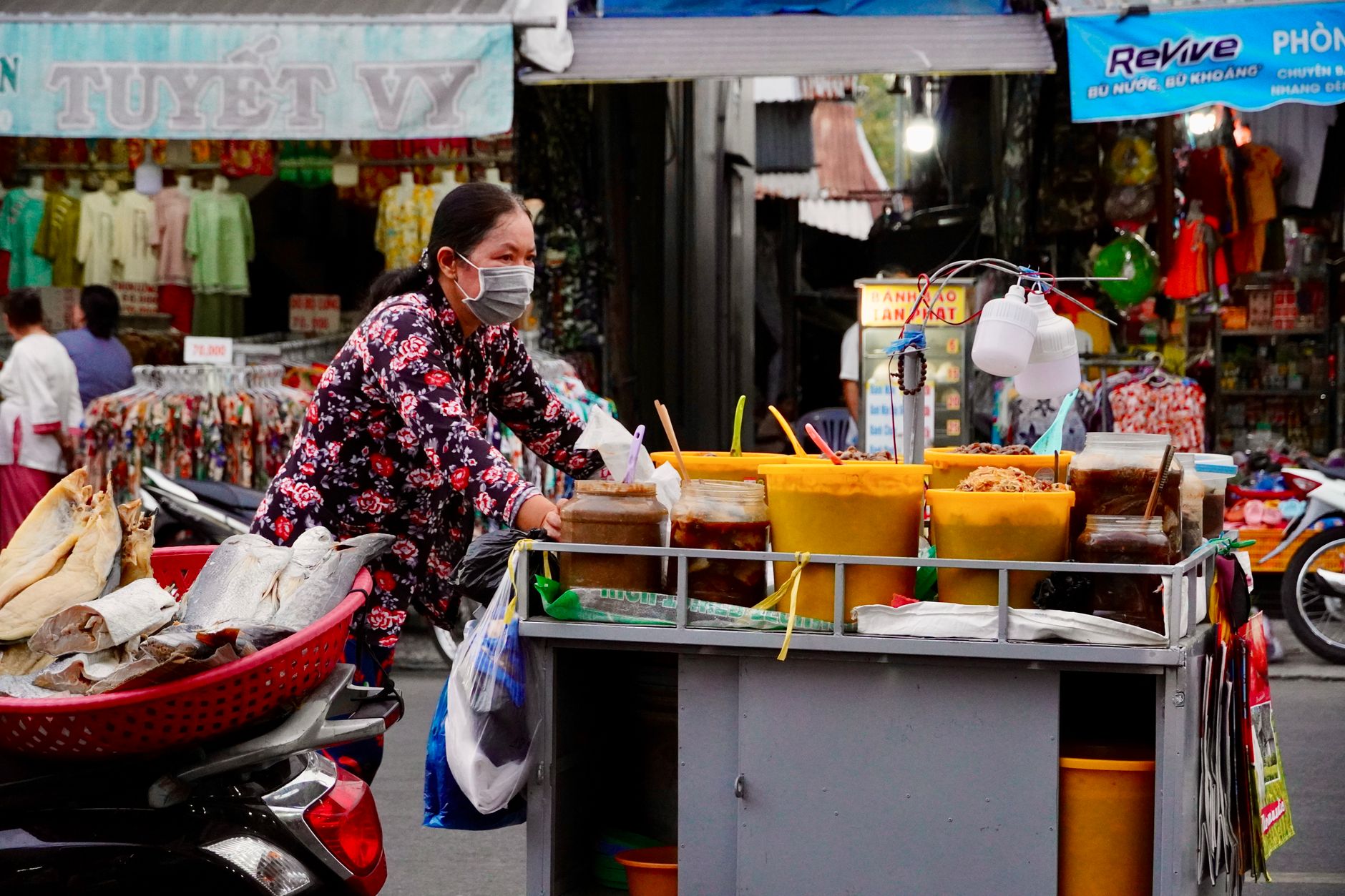
Vietnamese street food culture peaks at dawn: 5–7 a.m., families queue for steaming pho, banh mi, and com tam before work or school. The pace is rapid—eat standing, pay 1–our current quote, move on. By 10 a.m., many stalls close. Thai street food dominates evening markets (4 p.m.–midnight): families linger, vendors play music, the vibe is social. Meals cost similarly, but Thai markets encourage longer sits. Our Vietnam tours align with the morning rush, immersing you in authentic local eating rhythm.
What are the core flavor differences in signature dishes?
| Aspect | Vietnam | Thailand | Best For |
|---|---|---|---|
| Soups | Clear, aromatic broths (pho); sour accent (vinegar, lime) | Creamier curries, coconut-based | Broth lovers vs. richness seekers |
| Herbs | Mint, cilantro, dill (fresh, abundant, raw) | Basil, lime leaf (cooked in) | Fresh-forward vs. subtle |
| Protein | Beef, pork, offal (sweetbreads, liver) | Chicken, shrimp, tofu (grilled, fried) | Adventurous eaters |
| Heat | Mild default; chili optional on side | Medium-to-hot standard | Spice-averse vs. heat-seekers |
| Sweet-Savory | Rare; salty-sour dominant | Common (fish sauce, palm sugar together) | Purists vs. balanced palates |
Vietnamese food tastes fresher and lighter; Thai tastes warmer and more layered.
Can first-time travelers handle Vietnamese street food safely?
Yes, if you follow three rules: (1) eat only from busy stalls where turnover is high, (2) watch food prepared in front of you, (3) avoid ice in drinks unless it's from sealed bags. We lead group food tours where we know the vendors, portions are small, and you taste variety without overcommitting. Tap water isn't safe; all stalls serve bottled or boiled water. Street food doesn't require a strong stomach if you're selective. Most visitors eat for days without issue. Rain occasionally closes morning stalls; we reschedule tours the evening before.
Is Vietnamese street food cheaper than Thailand's?
Per typical street stall pricing, both countries charge similarly—1–our current quote per item, 3–our current quote for a full meal. Vietnam's stalls, however, are smaller, prices more transparent, and bargaining rare. Thai night markets tempt you with variety and longer menus; you often spend more by staying longer. On a fixed food budget, both are economical. The difference lies in pacing: Vietnam's fast-eat model keeps spending tight; Thailand's leisure-market model invites extras.
What should you physically prepare for each experience?
Wear comfortable shoes for market walking—Vietnam's morning tours cover 1–2 km on wet pavement; Thai night markets are flatter but longer. Bring a small towel or napkins (stalls often run short). Carry cash in small bills; many vendors don't take cards. Eat a light breakfast if joining a Vietnam dawn tour; Thai markets assume evening arrival on an empty stomach. Both countries' street food is standing-and-eating; dress for public eating (not formal). Leave jewelry and large bags at your accommodation.
Our hosts guide you through crowds, negotiate portions with vendors, and translate menus. We adapt tours for:
- Vegetarians & vegans: We pre-identify meatless stalls; you'll find tofu, vegetable soups, and spring rolls readily.
- Allergies & intolerances: Tell us before booking. Peanuts, shellfish, and sesame are common; we source alternatives or skip stalls.
- Kids (ages 8+): Milder stalls, smaller portions, longer breaks. Kids often prefer banh mi and ice drinks over adventurous broths.
- Seniors & slow eaters: We pause longer at each stop, skip crowded rush hours, offer seating options.
- Groups (6–12 people): We pre-book stall vendors, create a tasting route, and move as one unit to avoid splitting.
Which trip length suits street food exploring?
A single 2–3 hour morning or evening tour samples 5–7 signature dishes and gives you the rhythm of local eating—enough to decide if you want more. A full day (6 hours across morning and evening sessions) covers regional variation: fish-based dishes in the north, rice-flour items in central areas, tropical fruits and seafood in the south. Multi-day food journeys (combining street tours with Vietnamese cooking classes) let you taste, then prepare similar food yourself. Most first-timers do one 2.5-hour street food and market tour and leave satisfied. Returning visitors often book a cooking class next.
How do you choose Vietnam over Thailand for your next food trip?
Pick Vietnam if you prefer (1) lighter, herbaceous flavors with a sour edge, (2) fast-paced market energy and early mornings, (3) adventurous offal and nose-to-tail eating, (4) standing-and-moving food culture, (5) a focus on fresh herbs and condiments you control. Pick Thailand if you crave (1) sustained heat and complex spice blending, (2) evening leisure and longer market sits, (3) creamy curries and coconut bases, (4) sweeter-savory flavor combinations, (5) grilled and fried preparations.
Vietnam's street food rewards curiosity and speed; Thailand's rewards patience and heat tolerance. Both reward respect for local eating customs and hygiene sense.
What to check before you book a food tour
- Timing: Are you an early riser (Vietnam dawn tours) or evening person (Thai markets)? Ask us for morning vs. evening options.
- Spice level: Tell us honestly. We skip dishes and adjust vendor requests.
- Dietary restrictions: List allergies, vegetarianism, religious restrictions upfront—not on arrival day.
- Walking distance & pace: Street tours cover 1–2 km on foot. Mention knee, hip, or mobility concerns.
- Group size preference: Private (2–4 people, flexible timing) or small group (4–8 people, fixed date)?
- Language comfort: We guide in English; translations of menus and vendor chatter help, but expect some mystery and surprise.
- Rain contingency: Morning tours occasionally reschedule if markets close. We confirm the evening before via WhatsApp.
Ready to taste the difference yourself?
We run street food tours in five Vietnam destinations: Hanoi, Ho Chi Minh City, Hoi An, Da Nang, and Da Lat. Each city's street food tells a different regional story—northern beef-heavy, central herb-forward, southern tropical-seafood-rich. You can combine a food tour with a Vietnamese cooking class to taste and then cook, or pair it with a Vietnamese coffee workshop for the full sensory breakfast experience.
Contact us via WhatsApp to ask about dates and a quote. No pressure, no scripts—we'll match you to the right tour and time.
See how a session runs

FAQ
Is Vietnamese street food actually safe for foreign stomachs?
Yes, if you eat where locals do and turnover is high. We choose busy stalls only. Most visitors have no issues. Avoid ice unless it's sealed-bag ice, skip tap water, and eat cooked items from vendors who prepare in front of you. Mild upset is rare; serious illness is rarer.
Which is spicier, Vietnam or Thailand?
Thailand's significantly hotter. Thai street food defaults to medium-hot; Vietnamese defaults to mild. Both offer chili pastes on the side, so you control heat. If you dislike spice, Vietnam is easier; if you crave it, Thailand delivers.
How much does a street food tour cost?
Ask us for dates and a quote on WhatsApp. Tour prices depend on group size (private vs. small group), destination, and whether it's a half-day or full-day experience. Food tastings are included; drinks and tips are separate.
Can vegetarians enjoy street food tours?
Absolutely. Both Vietnam and Thailand have excellent vegetarian stall options: tofu soups, vegetable banh mi, fresh spring rolls, and noodle dishes. Tell us your preference when you book; we'll plan your route accordingly.
What's the best time of year for street food tours?
Dry season (September–April in Vietnam) offers the most comfortable eating experience. Monsoon months can close some stalls, but morning markets usually operate. We adjust timing based on weather and confirm the day before via WhatsApp.
Should I take a cooking class after a food tour?
Many guests do. A tour shows you what locals eat; a cooking class teaches you how to replicate it. The combination takes 1–2 days and deepens your understanding of ingredients, technique, and flavor-building. Ask us about combo bookings.
Ask about dates
Tell us the city, your dates and what you would like to try. We reply on WhatsApp in English with options and availability.
FAQ
Is Vietnamese street food actually safe for foreign stomachs?
Yes, if you eat where locals do and turnover is high. We choose busy stalls only. Most visitors have no issues. Avoid ice unless it's sealed-bag ice, skip tap water, and eat cooked items from vendors who prepare in front of you. Mild upset is rare; serious illness is rarer.
Which is spicier, Vietnam or Thailand?
Thailand's significantly hotter. Thai street food defaults to medium-hot; Vietnamese defaults to mild. Both offer chili pastes on the side, so you control heat. If you dislike spice, Vietnam is easier; if you crave it, Thailand delivers.
How much does a street food tour cost?
Ask us for dates and a quote on WhatsApp. Tour prices depend on group size (private vs. small group), destination, and whether it's a half-day or full-day experience. Food tastings are included; drinks and tips are separate.
Can vegetarians enjoy street food tours?
Absolutely. Both Vietnam and Thailand have excellent vegetarian stall options: tofu soups, vegetable banh mi, fresh spring rolls, and noodle dishes. Tell us your preference when you book; we'll plan your route accordingly.
What's the best time of year for street food tours?
Dry season (September–April in Vietnam) offers the most comfortable eating experience. Monsoon months can close some stalls, but morning markets usually operate. We adjust timing based on weather and confirm the day before via WhatsApp.
Should I take a cooking class after a food tour?
Many guests do. A tour shows you what locals eat; a [cooking class](/cooking-class) teaches you how to replicate it. The combination takes 1–2 days and deepens your understanding of ingredients, technique, and flavor-building. Ask us about combo bookings.
More like this
Street food and market tours
Best Street Food Tour in Sapa: What to Expect, How to Choose
Street food tours in Sapa connect you with hill-town cooks and night markets. We'll walk you through what these sessions offer, who they're for, and how to avoid common missteps.
Street food and market tours
Best Street Food Tour in Hue: What to Choose, Who It's For
A street food tour in Hue isn't one thing—it's a choice between styles, neighborhoods, and paces. We break down what actually happens on each type, and how to know which fits your group.
Street food and market tours
Best Food Walking Tour in Vietnam: Hanoi Street Food Guide
A food walking tour in Vietnam immerses you in bustling markets and street lanes where vendors have cooked the same dishes for decades. We show you what to taste, how to order, and the stories behind each bite.