
Home › Blog › Wellness and slow experiences
Yoga Class in Hanoi: What to Choose Before You Book
By the Cáo Experiences team · 2026-11-06
Yoga classes in Hanoi range from fast-paced vinyasa studios in the city center to slow, mindfulness-led sessions in quieter neighborhoods. Group classes typically run 60–75 minutes and cost less per session; private instruction (one-on-one or small group) lets you progress faster and adjust poses to old injuries or mobility concerns. Cáo Experiences offers wellness and slow experiences including yoga paired with Vietnamese philosophy, herbal tea, and garden settings—often in family homes or small studios outside the main tourist lanes. Before booking anywhere, check the instructor's training (certification matters), whether the space has air conditioning (Hanoi heat is intense), what the class caps at (under 15 is calmer), and if they adapt for beginners or injuries. Most studios ask about your history in a quick intake form; honesty there saves you pain. Budget-wise, ask us for dates and a quote on WhatsApp—we tailor sessions to your needs rather than sell fixed packages. Ask about dates on WhatsApp
What's the difference between group yoga and private sessions?
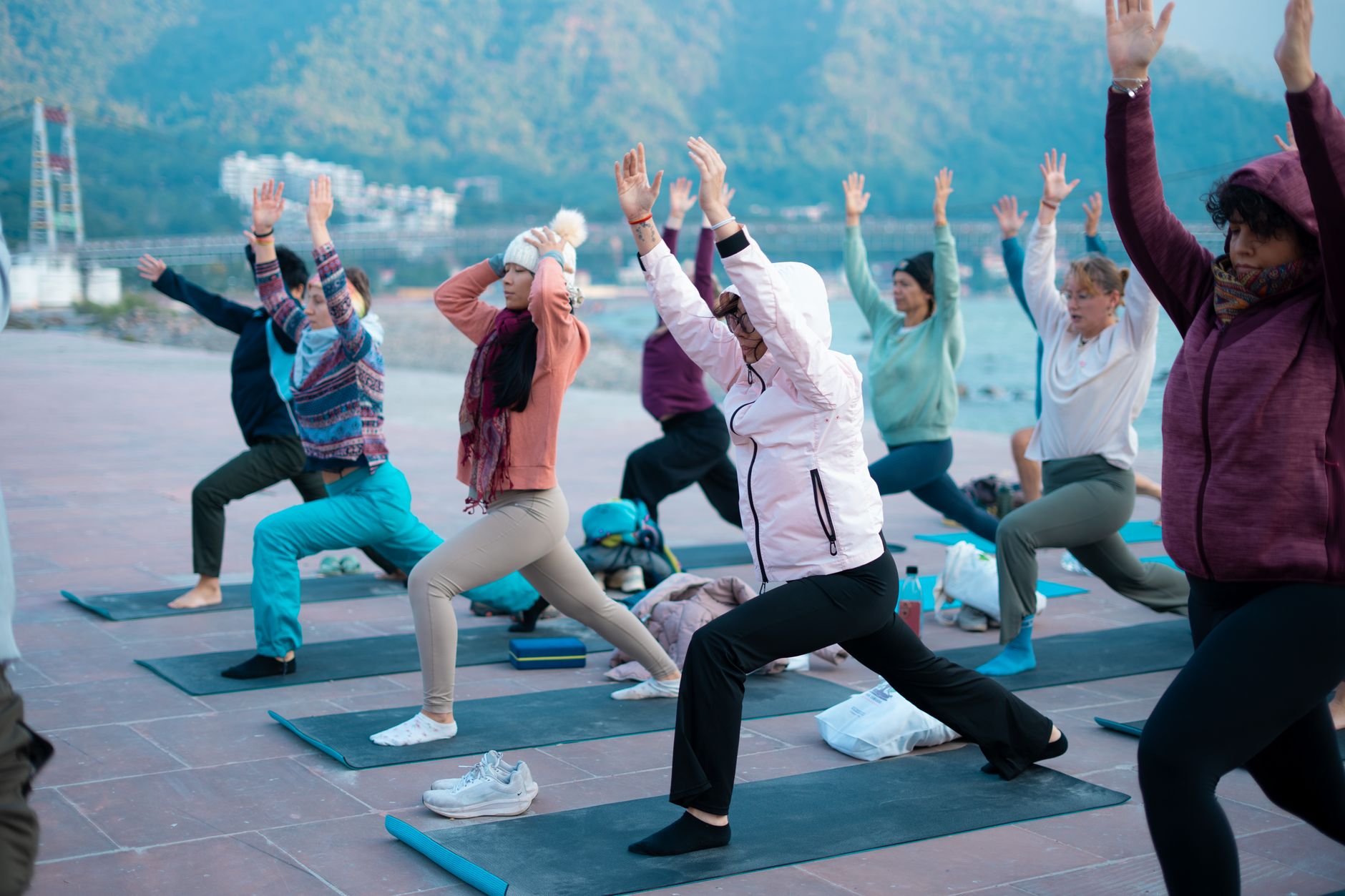
Group classes (8–20 people) move at one pace, so instructors give modifications but can't watch every student closely. You feel part of a community, pay less per hour, and keep to a fixed weekly slot. Private or semi-private sessions (1–4 people) let the instructor adjust your alignment in real time, repeat poses you struggle with, and work around real injuries. Private costs more but you learn faster and never feel lost. If you're new to yoga or returning after injury, one or two private sessions first help you understand your body and what cues to listen for in group classes later.

Should you choose a traditional or modern studio in Hanoi?
Traditional studios (often in small shophouses off main streets) tend toward hatha or gentle flows, quieter vibes, and instructors trained in classical methods. Modern spaces (gym-affiliated, newer buildings, air-conditioned) offer vinyasa, power yoga, or hot yoga, often with music and a faster pace. Neither is "better"—it depends whether you want to slow down or build strength. If stress relief and mindfulness matter more than fitness, traditional wins. If you're training for flexibility or cardio, modern studios often have the equipment and class intensity you need. Visit once before committing; see if the space feels calm or energetic, if the instructor explains or just demonstrates.
How do you know if a yoga class is right for your level?
Beginner checklist:
- Instructor offers pose modifications (not just one "correct" way)
- Class caps at 12–15 people max
- You can ask questions without feeling rushed
- They explain anatomy ("this opens your hip") not just Sanskrit names
- No pressure to buy a monthly package upfront
Intermediate/advanced:
- Class holds poses 5+ breaths, builds sequences
- Props (blocks, straps) available but not required
- Instructor mentions alignment cues, not just flow
- Peer energy keeps you engaged
Most places let you drop in once; go to a real class, not a "intro" session. If the instructor rushes or doesn't look at you, it's not a fit.
What should you actually bring and wear to a yoga class?
Wear lightweight, breathable clothes (cotton or moisture-wicking); Hanoi's humidity makes you sweat even in an air-conditioned room. Bring a water bottle (rooms are often warm, and dehydration creeps up). A small towel for sweat and a mat if the studio doesn't provide clean ones. Studios usually have mats, but some are thin or worn; ask in advance. Wear nothing restrictive around your torso—sports bra or fitted top, loose or tapered pants. Leave shoes at the door (studios always remove them). If you have shoulder or knee issues, tell the instructor before class starts, not mid-session. Eat light 2 hours before; a heavy meal makes forward folds and twists uncomfortable.
How do wellness and slow experiences in Hanoi differ from gym-based yoga?
Cáo Experiences designs sessions in family kitchens, gardens, or quiet courtyards—often combining yoga with herbal tea rituals, Vietnamese philosophy, or time outdoors. These aren't fitness classes; they're about slowing down, connecting with local culture, and moving with intention. You might spend the first 20 minutes in a garden, 45 minutes practicing gentle flows aligned with breathing, then 20 minutes drinking tea and talking. Private instruction only, small groups (2–6 people), fully adapted to your pace and history. Gym classes focus on fitness; these focus on inner quiet and cultural immersion. Perfect if you're burned out, traveling, or want yoga as part of a deeper experience rather than a box to tick.
Comparison: Yoga options in Hanoi at a glance
| Type | Pace & Focus | Group Size | Who It Suits | When to Expect Change |
|---|---|---|---|---|
| Studio group class | Fast flow or gentle; fitness-forward | 10–20 | Busy people, fitness goals, community | Immediate (fixed schedule) |
| Private instruction | Your pace; injury-aware | 1–4 | First-timers, post-injury, detail-focused | 2–3 sessions (confidence builds) |
| Wellness experience | Mindfulness + culture; slow | 2–6 | Travelers, burnout recovery, culture seekers | First session (mental shift, not physical) |
| Online/app-based | Self-paced; home practice | 1 (you) | Busy schedules, home preference, habit-building | Weeks (discipline needed) |

What to check before you book—honest red flags
Price opacity: If a studio won't say the cost until you visit or keeps pushing monthly memberships, walk. Real studios quote clearly upfront. Ask us for dates and a quote on WhatsApp—we tell you everything before you decide.
Instructor training: Ask where they trained and for how long. Local Hanoi studios vary widely; don't assume experience from a fancy space.
Class cap & safety: More than 20 people, one instructor, in a small room = poor form feedback and injury risk. Under 15 is safe; over 20 is a cash grab.
Promises: Avoid "detox," "unlock chakras," or "cure anxiety" claims. Yoga helps stress and flexibility; it's not medicine. Honest instructors say, "This may help you feel calmer."
No beginner orientation: If they don't ask your history or offer modifications freely, they're not beginner-ready.
Humidity & air: Hanoi is hot and sticky. A non-air-conditioned room in summer is miserable, not spiritual. Check before you go.
See how a wellness session runs
Real example: How a Cáo Experiences yoga morning unfolds
You arrive at 7 a.m. at a family home in a quiet lane near the old quarter (not a gym). The host greets you with water and herbal tea; you sit for five minutes, breathing and settling. The instructor (trained in both yoga and Vietnamese mindfulness practice) asks about injuries, stress, and what you hope to feel. You practice standing poses for 20 minutes, then floor work, then 10 minutes of stillness. No music, no clock-watching. At the end, tea again, and the host talks about the herbs and their use in Vietnamese medicine. Total time: 90 minutes. You leave feeling rested, not exhausted. That's the difference between a class and an experience.
Which wellness and slow experiences suit your situation?
- New to yoga: One private session first to learn your body, then gentle group classes.
- Returning after injury: Private instruction with a therapist background, not a studio class.
- Busy schedule: Wellness and slow experiences online aren't real yet, but we offer weekend half-days or weekday early mornings in Hanoi.
- Traveling: Cáo Experiences one-off sessions (no membership) with cultural depth.
- Habit-building: Studio membership + one private session quarterly to reset form.
Where to find the right fit
Visit experiences in Hanoi to see all our sessions—yoga, tea, and slow afternoons in real homes and gardens, not commercial spaces. Studio yoga? Ask local expat groups or hotel concierges; we only run private, cultural sessions, not gym classes.
Pages from our team you may need
FAQ
How often should a beginner do yoga?
Two to three times a week builds consistency without overuse injury. One class weekly maintains flexibility; daily practice (even 15 minutes) shifts your nervous system. Start with what fits your schedule, not an ambitious goal you'll quit.
Do I need to be flexible to start yoga?
No. Yoga builds flexibility; you don't need it first. Stiffness is normal and improves within weeks. Tell your instructor upfront; they'll modify every pose. Many people join yoga because they're tight, not in spite of it.
Can yoga help anxiety or sleep?
Yes—breathing techniques and gentle movement calm the nervous system. Restorative yoga and slower styles work best for sleep. Results take 4–6 weeks of regular practice, not one class. It's a tool, not a cure; pair it with sleep hygiene and stress management.
What's the difference between yoga and stretching?
Stretching lengthens muscles; yoga links movement, breath, and stillness—it's a practice, not just mechanics. You'll feel steadier, calmer, and more aware of your body, not just looser.
Should I do yoga on an empty stomach?
Ideally yes, or light food 2 hours before. A heavy meal before twists or forward folds causes discomfort. Coffee is fine; a full breakfast isn't.
Do I need special clothes or mat?
Wear anything breathable and loose (avoid tight waistbands). Most studios provide mats; bring your own if you prefer. Nothing fancy required—comfort and function beat style.
Ask about dates
Tell us the city, your dates and what you would like to try. We reply on WhatsApp in English with options and availability.
FAQ
How often should a beginner do yoga?
Two to three times a week builds consistency without overuse injury. One class weekly maintains flexibility; daily practice (even 15 minutes) shifts your nervous system. Start with what fits your schedule, not an ambitious goal you'll quit.
Do I need to be flexible to start yoga?
No. Yoga builds flexibility; you don't need it first. Stiffness is normal and improves within weeks. Tell your instructor upfront; they'll modify every pose. Many people join yoga *because* they're tight, not in spite of it.
Can yoga help anxiety or sleep?
Yes—breathing techniques and gentle movement calm the nervous system. Restorative yoga and slower styles work best for sleep. Results take 4–6 weeks of regular practice, not one class. It's a tool, not a cure; pair it with sleep hygiene and stress management.
What's the difference between yoga and stretching?
Stretching lengthens muscles; yoga links movement, breath, and stillness—it's a practice, not just mechanics. You'll feel steadier, calmer, and more aware of your body, not just looser.
Should I do yoga on an empty stomach?
Ideally yes, or light food 2 hours before. A heavy meal before twists or forward folds causes discomfort. Coffee is fine; a full breakfast isn't.
Do I need special clothes or mat?
Wear anything breathable and loose (avoid tight waistbands). Most studios provide mats; bring your own if you prefer. Nothing fancy required—comfort and function beat style.
More like this
Wellness and slow experiences
Yoga Classes in Phu Quoc: Where to Practice & What to Expect
Phu Quoc's yoga scene ranges from boutique beachfront studios to wellness retreats and home-based classes. We'll help you find the right fit for your practice level and schedule.
Wellness and slow experiences
Yoga Class in Vietnam: Choose Your Style & Studio Type
Yoga in Vietnam ranges from quiet temple-based morning classes to dynamic studio sessions in Hanoi, Saigon, and beachside towns. We'll walk you through how to choose.
Wellness and slow experiences
Yoga Class in Saigon: Finding Your Right Fit
Saigon has grown a sprawling yoga scene—from high-paced vinyasa studios to slow restorative spaces. We break down what each setup offers, who it suits, and what to check before your first class.