
Home › Blog › Wellness and slow experiences
Yoga Class in Mai Chau: What to Expect from a Countryside Session
By the Cáo Experiences team · 2026-11-06
Cáo Experiences hosts small-group yoga and wellness sessions in Mai Chau's rice-farming landscape, typically 60–90 minutes, usually early morning when the valley is still. You'll practice on mats in a peaceful space—often a simple pavilion or open-sided shelter with views across emerald paddies—guided by an English-speaking instructor who adapts poses for your body and experience. The session includes basic breathing work, sun salutations, and gentle or dynamic flow depending on group preference and fitness. No equipment rental is needed; we provide mats and blocks. Sessions suit solo travelers, couples, families with teenage kids, and seniors seeking low-impact movement. Weather rarely stops us (we shift indoors or under cover during rain), and we tailor intensity for joint concerns, pregnancy, or recent injury. Ask us for dates and a quote on WhatsApp—pricing depends on group size and whether you add a meal or overnight stay in a local guesthouse. Ask about dates on WhatsApp
Why Mai Chau's Setting Transforms a Yoga Practice
Mai Chau sits 140 km southwest of Hanoi, a valley where White Thai communities farm rice on steep terraces and water buffalo wade through channels at dawn. The landscape itself becomes your teacher: rhythm of seasons, sound of birds, no traffic noise. We've noticed that guests who arrive stressed often find their breathing naturally deepens just standing in the rice fields. The quiet isn't forced silence—it's the ambient pulse of rural Vietnam. Morning light hits the western ridge around 6:30 a.m., and that's when many of our sessions begin. This geography means no studio mirrors, no playlist, no rush. You're holding a pose while a rooster calls and a farmer walks a path 200 meters away. That simplicity works for beginners who feel self-conscious in cities and for experienced yogis seeking a reset.
What Happens Hour by Hour in a Typical Session
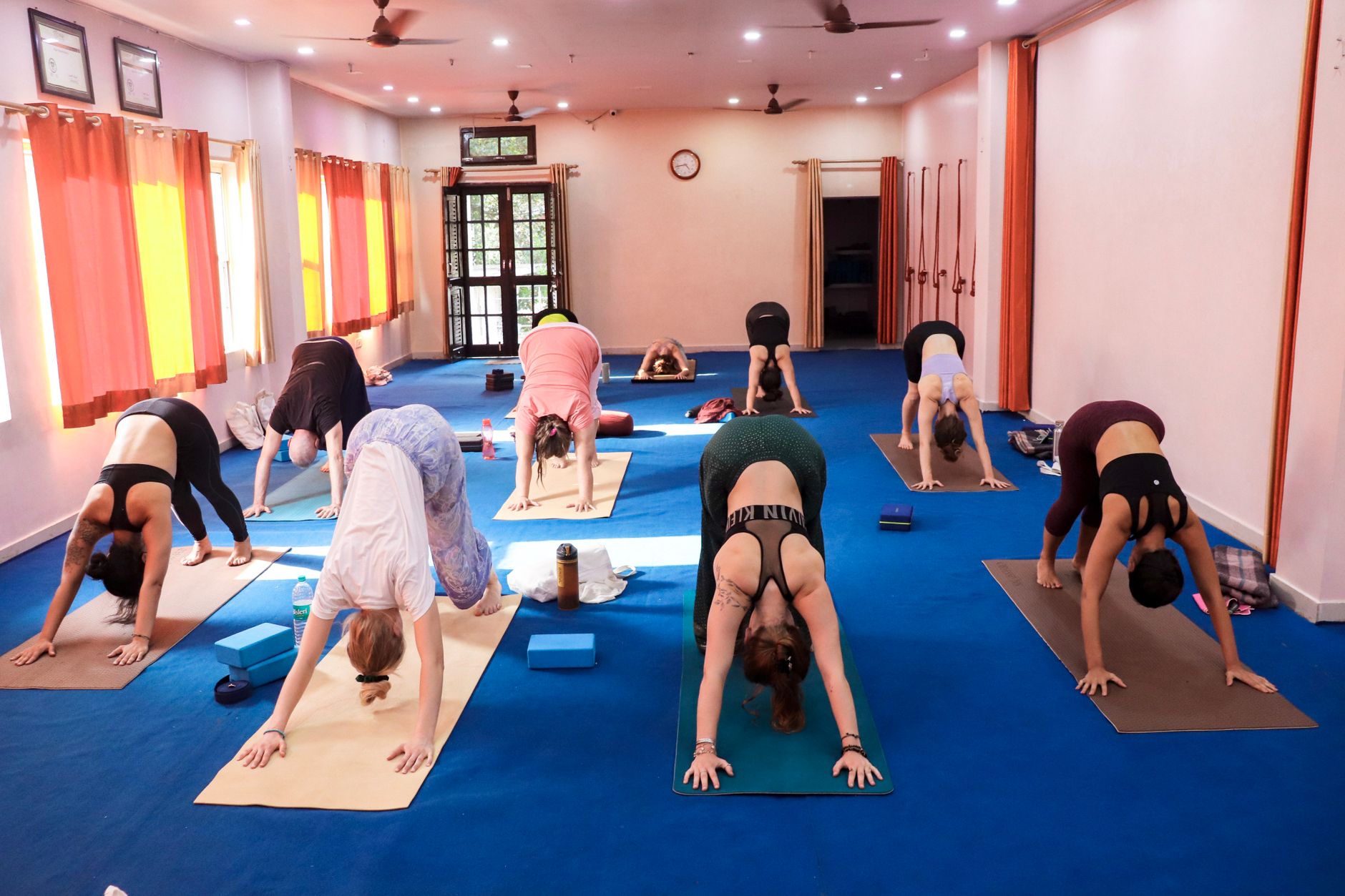
We meet at a family guesthouse or a quiet pavilion in a rice-farming area, usually by 6:30 a.m. or 3:00 p.m. The instructor arrives 15 minutes early to set out mats, blocks, and blankets. You remove shoes, settle on your mat, and we spend 5 minutes sitting in stillness—eyes closed, listening to the valley. The instructor offers a brief intention or theme (often tied to the day: grounding, letting go, building strength). Next comes 10–15 minutes of gentle warm-up and breath work (pranayama): alternate nostril breathing, extended exhales. Then we move into sun salutations, repeated 5–8 times at a pace you control—you can do half the movement, full depth, or hold modifications the whole time. The middle 30–40 minutes flow through standing poses (warrior, triangle, tree) and seated folds, with the instructor walking around, adjusting alignment, offering props. The final 10 minutes are restorative: child's pose, legs-up-the-wall (or a supported reclining position), and 5 minutes of savasana (lying still). We close with a simple chant or three breaths together. Total time: 60–75 minutes, or 90 if you add a tea break after.
How We Adapt Sessions for Different Bodies and Skill Levels
Beginners often worry they'll hold poses wrong or fall behind. We address this from the start: the instructor demonstrates modifications for every pose, and you're encouraged to use a modification for the entire session if it feels right. A senior guest or someone with knee pain might practice warrior pose against a wall, or skip it entirely and do a standing hip opener instead. Teens in a family group sometimes push harder—the instructor lets them deepen stretches while keeping the beginner's pace for others. Pregnant guests (typically second trimester onward) avoid deep twists and belly-down positions; we swap those for supported hip openers and gentle back strengtheners. If you've had a shoulder or neck injury, tell us beforehand on WhatsApp so the instructor can plan around it. We've hosted guests with arthritis, lower-back issues, anxiety, and recent surgery—the principle is always the same: yoga is your practice, not the instructor's performance. No judgment, no comparison. The group size (usually 4–8 people) means the instructor can attend to individual needs without feeling rushed.
Comparing Mai Chau Yoga to Other Wellness Experiences in the Region
| Experience Type | Setting | Duration | Who It Suits | Key Difference |
|---|---|---|---|---|
| Mai Chau yoga session | Rice valleys, open-air | 60–90 min | All levels, nature-seekers | Immersive landscape; no studio feel |
| Tea experience in local hills | Tea plantation or farmhouse | 2–3 hours | Couples, cultural curiosity | Blends movement with ritual and tasting |
| Farm and countryside day with stretching | Working farm, paddy fields | 4–6 hours | Families, active travelers | Yoga + farming work + meals together |
| Meditation-focused retreat | Quiet village guesthouse | Full day or multi-day | Serious practitioners | Deeper silence; less flow-based movement |
| Flower arranging or craft + wellness combo | Studio or garden space | 3 hours | Mixed interests | Creative outlet + gentle movement |
Yoga alone is most popular for a focused reset. If you want a fuller immersion, pairing a session with a farm experience or tea tasting creates a whole-day rhythm: sunrise yoga, farmhouse breakfast, time in the fields or tea garden, then rest. Multi-day retreats appeal to visitors spending 2–3 nights in Mai Chau; we can coordinate lodging and daily practices with a local family guesthouse.

What to Bring, Wear, and Prepare Before Your Session
Wear loose, breathable clothes—cotton or athletic leggings and a t-shirt are ideal. Avoid anything tight or restrictive; you'll be folding forward, opening your hips, and twisting. Bring a light layer (a cardigan or shawl) for after, when your body cools; early mornings can be chilly at elevation. No shoes needed on the mat, but wear flip-flops or slip-ons to walk to the session space. A small towel or handkerchief for sweat is useful, especially in afternoon classes. Eat lightly 2–3 hours before if possible (heavy meals make forward folds uncomfortable). Bring water—we provide it, but having your own bottle means you're hydrated without asking. If you have a yoga mat you prefer or a specific prop need (extra blanket, yoga block, bolster), mention it when you confirm. We supply all standard gear, but we appreciate knowing. Arrive 10–15 minutes early so you can settle, use the toilet, and meet the instructor. If you're new to yoga and anxious, tell the instructor privately before the session—even one sentence ("I have tight hamstrings" or "My neck is sore") helps them cue you intelligently.
Rain, Weather, and Seasonal Timing for Mai Chau Yoga
Monsoon rains (May–August) are heavy but often brief. We've conducted sessions under a covered pavilion in downpour without disruption; the sound actually deepens focus. If lightning threatens, we move indoors to a guesthouse room or pause and reschedule. Afternoon sessions are less affected than mornings. Autumn (September–November) and spring (March–April) offer the clearest, coolest conditions—mist over the valleys at dawn is common but doesn't stop practice. Winter (December–February) is dry and crisp; early morning is cold, so we might start with vigorous sun salutations to warm the body. Late spring (April) and early summer (May) are warm but not yet monsoon-heavy. There's no "wrong" season, but if you're rain-averse, book September–April. The valley's humidity is always present, but it's not the oppressive heat of Hanoi's lowlands.
What to Check Before You Confirm Your Booking
Before you WhatsApp us to book:
- Confirm your actual dates. We coordinate small groups, so your ideal dates might not have a session yet—let's find what works and add you.
- Mention any physical injuries, pain, or pregnancy. Not to scare us off, but to let the instructor prepare. A note like "tight lower back" or "recovering from knee surgery" is perfect.
- Say whether you prefer early morning or afternoon. Morning is quieter and cooler; afternoon suits those who sleep late or travel during the day.
- Check if you want a standalone session or a combo. Yoga + farmhouse breakfast or yoga + evening tea creates a fuller day. A combo often feels more rewarding and less rushed.
- Ask about group size and whether you'll have other guests. Some people love meeting other travelers; some prefer near-private sessions. We can tell you what's already booked.
- Confirm transportation. We typically guide you to meet us at a central point in Mai Chau; if you have your own motorbike or driver, that's fine. If you need a pickup from a guesthouse, mention it.
- Clarify what's included. Sessions usually include mat, instructor, water, and sometimes light tea or fruit after. If meals, overnight stay, or a transport package interests you, ask.
A few guests have shown up expecting a heated studio or a specific yoga style (hot yoga, vinyasa flow, yin). We teach gentle-to-moderate hatha-style flow adapted to the group. If you need intense sweaty yoga, Mai Chau's cool mornings and outdoor setting won't deliver that—better to ask beforehand so we can be honest.
See how a session runs
More Wellness Experiences Beyond Yoga
If yoga alone intrigues you but you're spending several days in the region, consider combining it with other wellness and slow experiences. A Vietnamese coffee workshop in a nearby town adds a mindful ritual (grinding, brewing, tasting) that pairs well with morning yoga. A tea experience in a local tea garden deepens the theme of stillness and seasonal attention. Families sometimes pair yoga with a farm and countryside day—kids get hands-on time in rice paddies or learning from farmers, while parents enjoy gentle movement and a slower pace. Even a flower arranging workshop can follow yoga: both practices teach presence and impermanence in nature. These combinations appeal to couples seeking a retreat within a larger Mai Chau trip or multi-generational groups with mixed interests.

FAQ
Do I need yoga experience to join a Mai Chau session?
No. Most of our guests are beginners or have not practiced in years. The instructor demonstrates modifications for every pose, and you're in control of depth. Tell us if you're new, and we'll brief the instructor beforehand.
What time of year is best for yoga in Mai Chau?
September–April offers clear skies and comfortable temperatures. Early morning (6:30 a.m.) is coolest and quietest. Monsoon (May–August) brings brief heavy rains but doesn't stop sessions; we shift to covered spaces if needed.
Can I book a private session for just my partner or family?
Yes. Small groups (2–6 people) are our standard. A private couple's session or family group is absolutely possible—ask us for dates and a custom quote on WhatsApp. Pricing reflects group size.
Do you provide mats and props, or should I bring my own?
We provide mats, blocks, blankets, and bolsters. If you have a yoga mat or specific prop you prefer, mention it when you book and bring it with you.
What if I have a physical injury or recent surgery—can I still attend?
Yes, but tell us beforehand. Mention the injury type and any movements that hurt. The instructor will adapt the session around your needs and offer alternatives for every pose. We've worked with guests managing arthritis, lower-back pain, pregnancy, and post-surgery recovery.
How far is Mai Chau from Hanoi, and do you help with transport?
Mai Chau is 140 km southwest of Hanoi, roughly 3–4 hours by car or motorbike. We'll guide you to a meeting point or village guesthouse; if you arrange your own transport, that works too. If you need a pickup, ask when you book.
Can I combine yoga with meals or an overnight stay?
Absolutely. Many guests add a farmhouse breakfast after morning yoga or a multi-day stay with daily sessions. Ask us to arrange lodging in a local family guesthouse and coordinate meals—it creates a fuller wellness retreat.
Ask about dates
Tell us the city, your dates and what you would like to try. We reply on WhatsApp in English with options and availability.
FAQ
Do I need yoga experience to join a Mai Chau session?
No. Most of our guests are beginners or have not practiced in years. The instructor demonstrates modifications for every pose, and you're in control of depth. Tell us if you're new, and we'll brief the instructor beforehand.
What time of year is best for yoga in Mai Chau?
September–April offers clear skies and comfortable temperatures. Early morning (6:30 a.m.) is coolest and quietest. Monsoon (May–August) brings brief heavy rains but doesn't stop sessions; we shift to covered spaces if needed.
Can I book a private session for just my partner or family?
Yes. Small groups (2–6 people) are our standard. A private couple's session or family group is absolutely possible—ask us for dates and a custom quote on WhatsApp. Pricing reflects group size.
Do you provide mats and props, or should I bring my own?
We provide mats, blocks, blankets, and bolsters. If you have a yoga mat or specific prop you prefer, mention it when you book and bring it with you.
What if I have a physical injury or recent surgery—can I still attend?
Yes, but tell us beforehand. Mention the injury type and any movements that hurt. The instructor will adapt the session around your needs and offer alternatives for every pose. We've worked with guests managing arthritis, lower-back pain, pregnancy, and post-surgery recovery.
How far is Mai Chau from Hanoi, and do you help with transport?
Mai Chau is 140 km southwest of Hanoi, roughly 3–4 hours by car or motorbike. We'll guide you to a meeting point or village guesthouse; if you arrange your own transport, that works too. If you need a pickup, ask when you book.
Can I combine yoga with meals or an overnight stay?
Absolutely. Many guests add a farmhouse breakfast after morning yoga or a multi-day stay with daily sessions. Ask us to arrange lodging in a local family guesthouse and coordinate meals—it creates a fuller wellness retreat.
More like this
Wellness and slow experiences
Yoga Classes in Phu Quoc: Where to Practice & What to Expect
Phu Quoc's yoga scene ranges from boutique beachfront studios to wellness retreats and home-based classes. We'll help you find the right fit for your practice level and schedule.
Wellness and slow experiences
Yoga Class in Vietnam: Choose Your Style & Studio Type
Yoga in Vietnam ranges from quiet temple-based morning classes to dynamic studio sessions in Hanoi, Saigon, and beachside towns. We'll walk you through how to choose.
Wellness and slow experiences
Yoga Class in Saigon: Finding Your Right Fit
Saigon has grown a sprawling yoga scene—from high-paced vinyasa studios to slow restorative spaces. We break down what each setup offers, who it suits, and what to check before your first class.